Information
Landmark: Ca’ d’Oro GardensCity: Venice
Country: Italy
Continent: Europe
Ca’ d’Oro Gardens, Venice, Italy, Europe
Ca’ d’Oro Gardens
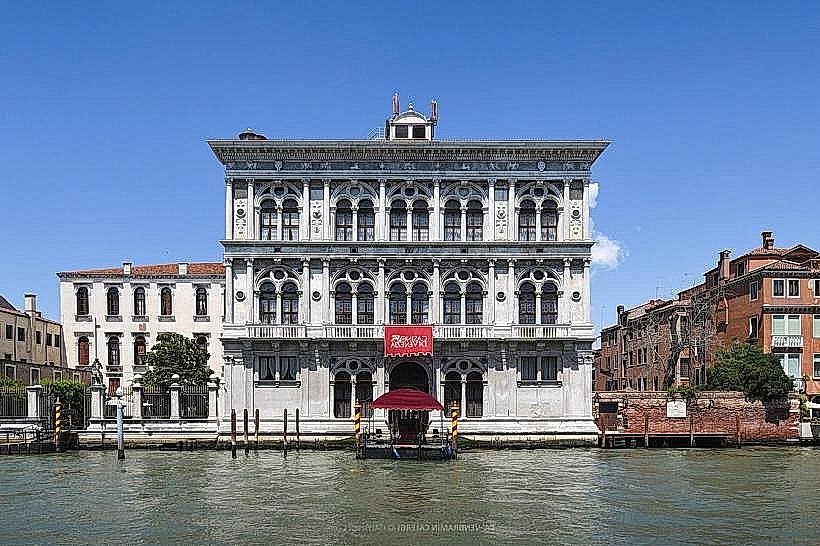
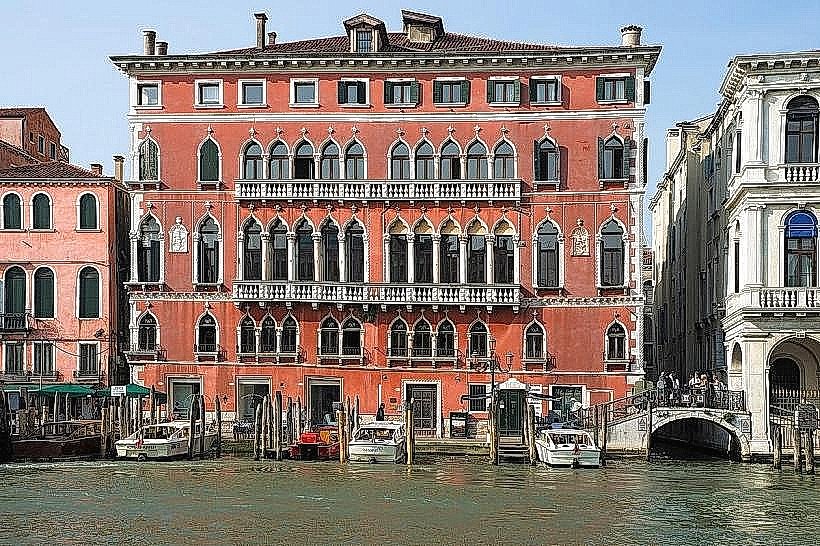
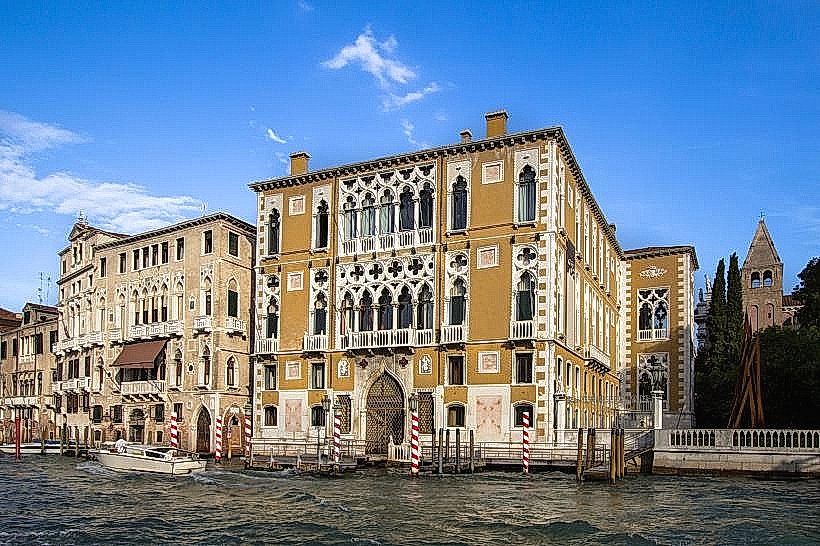
Nestled behind the famous Ca’ d’Oro palace along the Grand Canal, the Ca’ d’Oro Gardens offer a tranquil and intimate escape from the bustle of Venice. While the palace itself is renowned for its ornate Gothic façade and art collections, the gardens provide a contrasting space of greenery, quiet reflection, and subtle architectural charm.
Historical Background
The gardens were historically part of the palace estate, serving both decorative and practical purposes. They reflected the Venetian tradition of integrating small private green spaces into dense urban areas, providing nobility with a retreat for leisure, contemplation, and private gatherings. Though not as extensive as the gardens of mainland villas, they were carefully designed to complement the grandeur of Ca’ d’Oro itself.
Over the centuries, the gardens have been maintained and restored, preserving their historical character while offering modern visitors a peaceful setting.
Layout and Features
The gardens are compact but thoughtfully arranged, balancing natural and architectural elements:
Greenery and Plantings: Flowerbeds, manicured shrubs, and small trees provide color and texture throughout the seasons. Fragrant plants, such as jasmine and lavender, enhance the sensory experience.
Pathways and Seating: Stone pathways wind gently through the gardens, connecting intimate seating areas and viewpoints. Benches offer visitors the chance to sit, observe, and enjoy the peaceful ambiance.
Architectural Elements: Classical features such as small fountains, sculpted urns, and stone balustrades echo the Gothic and Renaissance styles of the palace, creating a harmonious blend of nature and architecture.
Atmosphere and Visitor Experience
The gardens are serene and secluded, providing a stark contrast to the crowded Grand Canal and narrow Venetian streets. Light filters through foliage, casting shifting shadows across pathways and stone features. Visitors can hear the gentle rustle of leaves and the distant murmur of water traffic, enhancing the sense of peaceful retreat.
The intimate scale encourages slow exploration, allowing one to notice micro-details like patterned tiles, aged stonework, and carefully maintained plantings. The gardens also provide a unique vantage point to view the rear façade of Ca’ d’Oro, often overlooked from the canal.
Cultural and Historical Significance
Although smaller than villa gardens on the mainland, the Ca’ d’Oro Gardens exemplify the Venetian approach to urban green space, combining aesthetics, leisure, and private enjoyment. They highlight how noble families incorporated nature into dense urban settings, reinforcing the palace’s social and cultural prestige.
The gardens also serve as a subtle reminder of Venice’s artistic heritage: their design, materials, and layout reflect centuries of attention to balance, proportion, and harmony-key principles of Venetian architecture and landscaping.
Legacy
The Ca’ d’Oro Gardens remain a quiet jewel of Venice, offering both historical context and sensory pleasure. They exemplify the city’s ability to integrate nature, art, and architecture, providing a reflective space for visitors and a tangible link to the leisure and refinement of Venetian nobility. The gardens complement the palace’s grandeur, allowing a more complete understanding of urban life and aesthetics in historic Venice.