Information
Landmark: Cappella SanseveroCity: Naples
Country: Italy
Continent: Europe
Cappella Sansevero, Naples, Italy, Europe
The Sansevero Chapel Museum (Museo Cappella Sansevero) is a former place of worship and a Masonic-themed funerary chapel located in the heart of Naples. It is one of the most visited sites in Italy, housing masterpieces of 18th-century European sculpture.
Visual Characteristics
The chapel is a concentrated Baroque environment. Every square inch of the interior is decorated with frescoes, marble sculptures, and intricate stucco. The architectural focus is a series of ten "Virtue" statues lining the walls, but the visual center of the room is occupied by the free-standing "Veiled Christ." The ceiling features the Paradise of the Sangro, a fresco that has maintained remarkably vivid colors since 1749 without restoration.
Location & Access Logistics
Address: Via Francesco de Sanctis, 19/21.
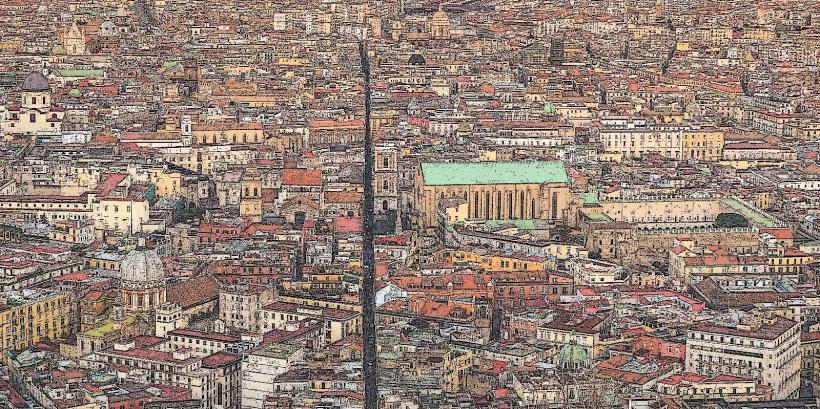
Public Transit: Metro Line 1 (Yellow) to "Dante" or "Duomo." It is located in a narrow alleyway off the main Spaccanapoli thoroughfare.
Entry: Strictly by online reservation. Tickets sell out weeks in advance; walk-ins are rarely accommodated.
Hours: Wednesday–Monday, 09:00–19:00. Closed on Tuesdays.
Logistics: Photography and filming are strictly prohibited inside the chapel. Quiet is enforced.
Historical & Engineering Origin
Originally built as a private chapel for the Sangro family in 1590, it was transformed between 1744 and 1766 by Raimondo di Sangro, Prince of Sansevero. The Prince was a scientist, inventor, and Grand Master of the Neapolitan Freemasonry. He commissioned the works to reflect complex alchemical and Masonic symbolism. The engineering of the chapel is unique for its integration of secret chambers and the use of experimental chemical coatings for the artwork.
Key Highlights & Activities
The Veiled Christ (Cristo Velato): Sculpted by Giuseppe Sanmartino from a single block of marble. The transparency and "wet" look of the shroud covering the body are considered a pinnacle of world sculpture.
Release from Deception (Il Disinganno): A statue by Francesco Queirolo featuring a man disentangling himself from a net. The net is carved entirely from marble with no joints, a feat of extreme technical difficulty.
Veiled Truth (Pudicizia): A memorial to the Prince's mother, notable for the realism of the marble veil.
Anatomical Machines (Macchine Anatomiche): Located in the underground chamber, these are two human skeletons (male and female) with their entire circulatory systems (arteries and veins) perfectly preserved.
Infrastructure & Amenities
The museum includes a small bookshop at the exit specializing in art history and alchemy. 4G/5G signals are blocked by the thick masonry and underground location. Due to the high volume of visitors in a small space, the environment is climate-controlled.
Best Time to Visit
First Slot (09:00): To minimize the density of visitors within the small chapel.
Weekdays: Weekends are perpetually at maximum capacity.
Facts & Legends
A verified historical detail: For centuries, it was believed that the veil of the Christ and the circulatory systems of the "Anatomical Machines" were created through "marbelization"-an alchemical process of turning real fabric and human veins into stone. Modern scientific analysis has proven the veil is pure marble, but the "machines" involve a complex injection of beeswax and dyes, the formula for which remains a subject of study.
Nearby Landmarks
Spaccanapoli: 0.1km South
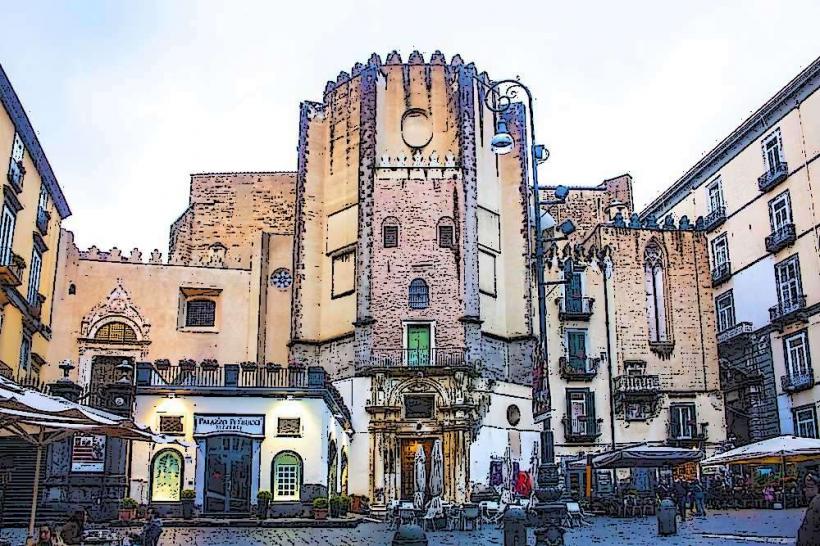
San Domenico Maggiore: 0.15km West
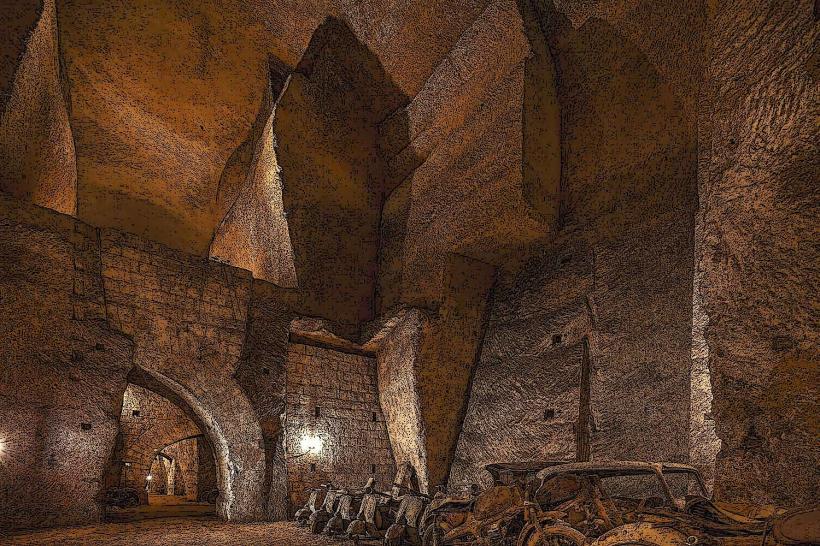
Napoli Sotterranea (Underground Naples): 0.3km East
Piazza Dante: 0.4km West