Information
Landmark: SpaccanapoliCity: Naples
Country: Italy
Continent: Europe
Spaccanapoli, Naples, Italy, Europe
Spaccanapoli (literally "Naples Splitter") is the popular name for the straight, narrow main street that bisects the historic center of Naples. It is not a single street on a map but a continuous thoroughfare composed of several segments, including Via Pasquale Scura, Via Benedetto Croce, and Via San Biagio dei Librai.
Visual Characteristics
The street is a long, linear canyon-like corridor framed by towering historic buildings, palaces, and churches. It is characterized by high-density foot traffic, hanging laundry, and "bassi" (traditional ground-floor apartments opening directly onto the street). From the viewpoint of San Martino on the Vomero Hill, the street appears as a perfectly straight surgical cut through the chaotic urban fabric of the city.
Location & Access Logistics
Route: It runs from the Piazza Gesù Nuovo in the west to the Via Duomo area in the east.
Public Transit: Metro Line 1 to "Dante" or "Toledo"; Metro Line 2 to "Montesanto" or "Piazza Cavour."
Logistics: The area is almost entirely pedestrian, though small scooters frequently navigate the crowds. The pavement consists of large, smooth lava stone slabs (basoli) which can be slippery when wet.
Accessibility: While flat along its length, the side streets are often steep and narrow. The heavy crowds can make navigation difficult for those with limited mobility.
Historical & Urban Origin
Spaccanapoli corresponds to the Decumanus Inferior, the lowest of the three parallel east-west streets of the ancient Greco-Roman city of Neapolis. Its straightness is a direct remnant of the Greek "Hippodamian" grid plan from the 6th century BC. Over the centuries, the street evolved from a Roman thoroughfare into the heart of the Neapolitan Renaissance and Baroque periods, as noble families built their palaces along its path.
Key Highlights & Activities
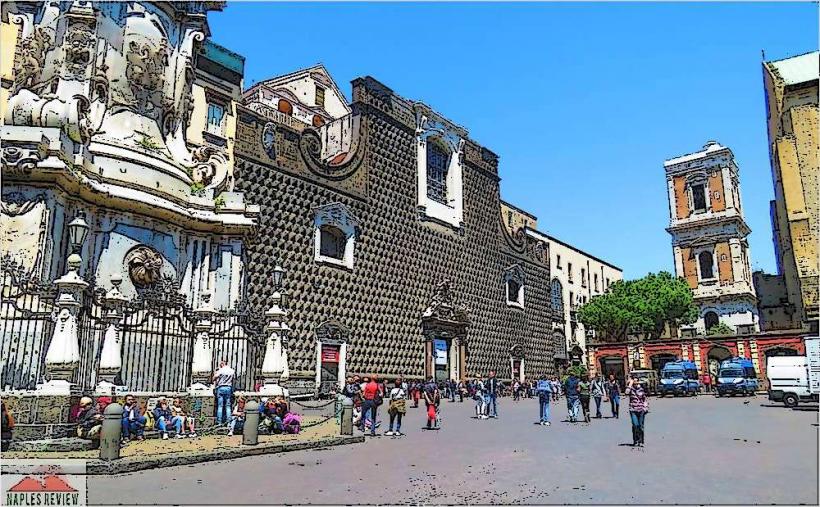
Piazza del Gesù Nuovo: Home to the Church of Gesù Nuovo with its unique diamond-pointed stone facade and the Spire of the Immaculate Virgin.
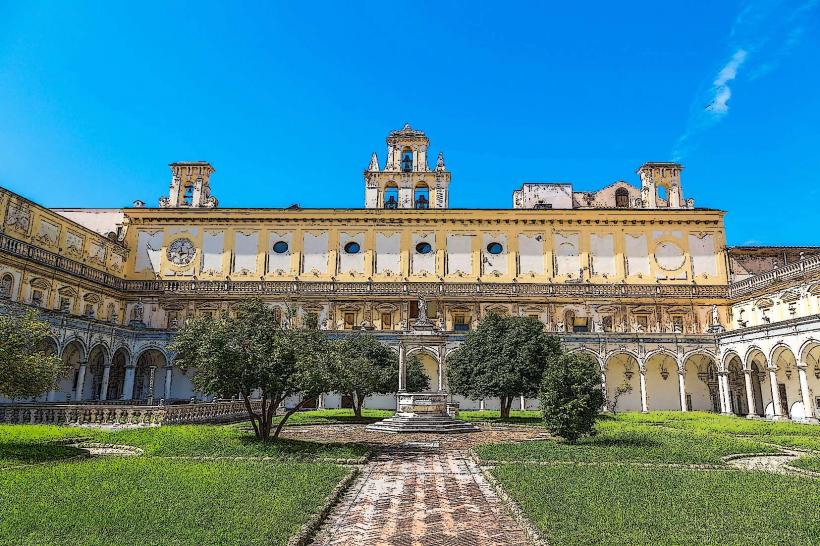
Complex of Santa Chiara: Famous for its Gothic church and the Majolica Cloister, decorated with 18th-century hand-painted tiles.
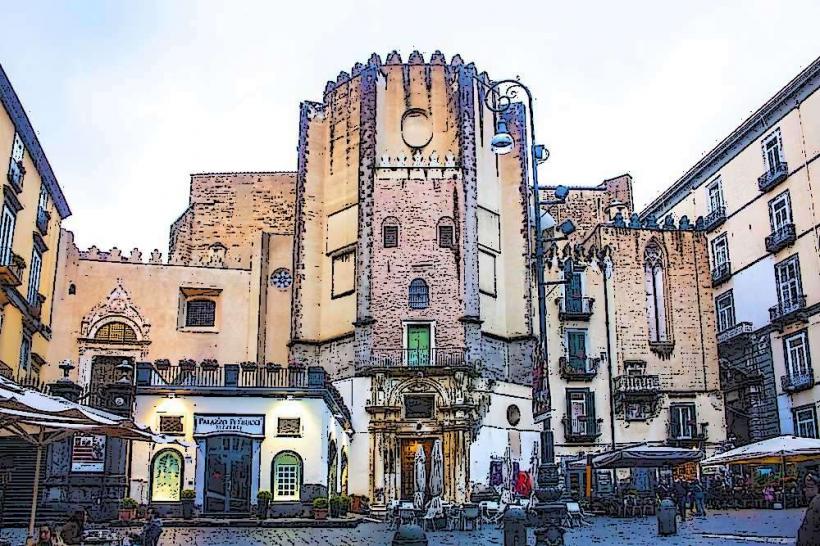
Piazza San Domenico Maggiore: A grand square featuring the eponymous Gothic/Baroque church and the Obelisk of San Domenico.
Statue of the Nile (Statua del Corpo di Napoli): A 2,000-year-old Roman marble sculpture representing the River Nile, located in Piazzetta Nilo.
Artisan Workshops: The street is lined with traditional shops selling Neapolitan "Presepe" (nativity) figures, handmade jewelry, and local street food like sfogliatella and pizza a portafoglio.
Infrastructure & Amenities
Spaccanapoli is the commercial heart of the old city. It is saturated with cafes, trattorias, and street food vendors. Public restrooms are scarce, but most cafes provide facilities for customers. 4G/5G signals are generally strong, though they may drop inside the thick-walled historic buildings.
Best Time to Visit
Mornings (09:00–11:00): To see the street coming to life and visit the churches before they close for the afternoon break.
Evening: For the vibrant, chaotic atmosphere of Neapolitan nightlife.
Christmas Season: Though extremely crowded, this is when the nearby San Gregorio Armeno (the "Christmas Alley") is at its peak.
Facts & Legends
A verified fact: Spaccanapoli is part of the largest UNESCO World Heritage site in Europe. Legend says that the Palazzo di Sangro di Casacalenda on this street was built on the site where the Greek temple of Vesta once stood, and that the "perpetual fire" of the goddess still influences the energetic temperament of the locals living there.
Nearby Landmarks
Via San Gregorio Armeno (Nativity Street): 0.1km North (intersects Spaccanapoli).
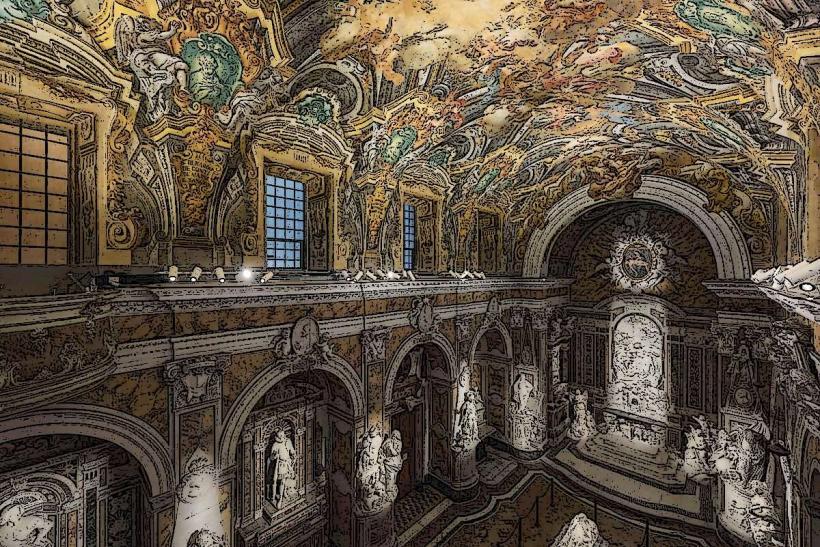
Sansevero Chapel (Veiled Christ): 0.2km North.
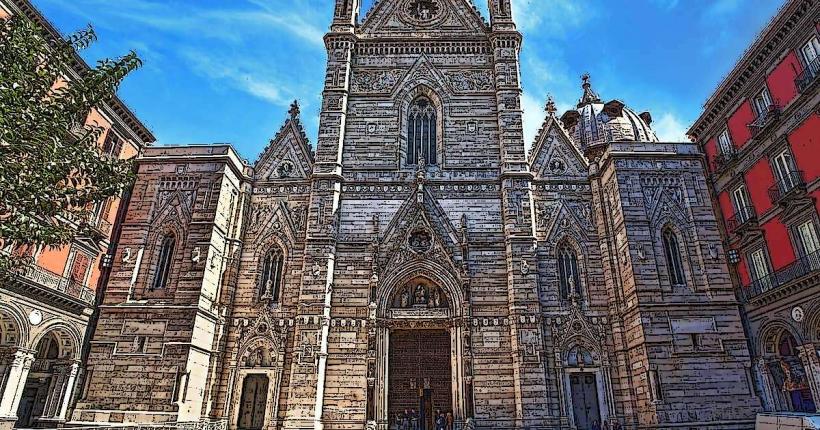
Naples Cathedral (Duomo): 0.5km East.
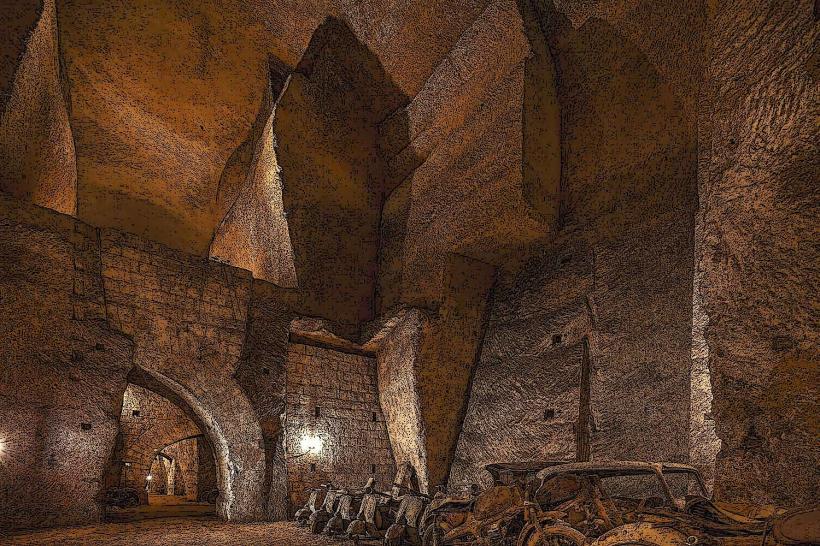
Napoli Sotterranea (Underground Naples): 0.3km North.