Information
Landmark: Cat Cat VillageCity: Sapa
Country: Vietnam
Continent: Asia
Cat Cat Village, Sapa, Vietnam, Asia
Cat Cat Village is a traditional ethnic minority village located approximately 2 kilometers southwest of Sapa town in the Lào Cai Province of Vietnam.
Visual Characteristics
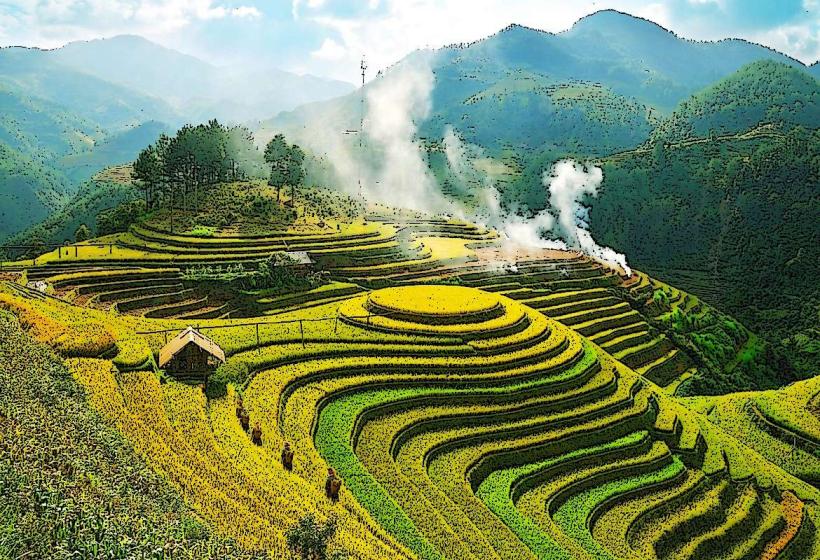
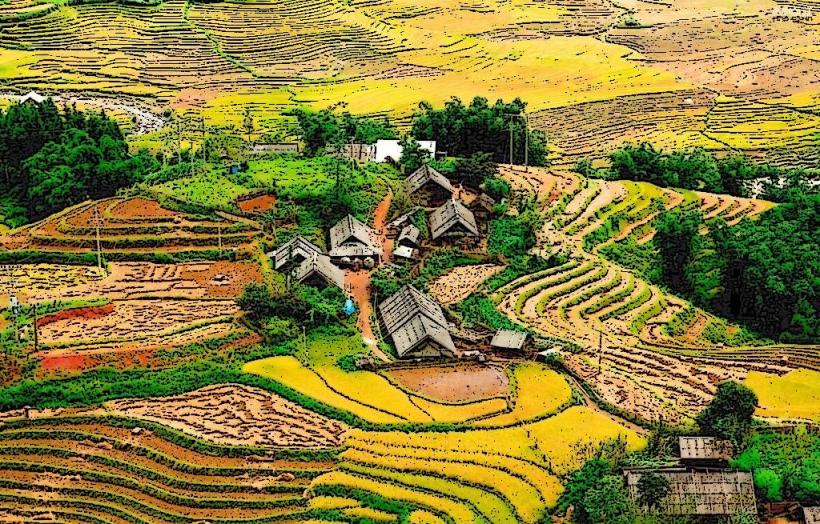
The village is characterized by houses constructed from wood and bamboo, often with thatched roofs. These structures are situated on terraced hillsides. The surrounding landscape features rice paddies and agricultural fields. Local ethnic minority groups, primarily Hmong people, are visible in traditional attire.
Location & Access Logistics
Access to Cat Cat Village is via a paved road from Sapa town. The distance is approximately 2 kilometers. Parking is available at the village entrance for motorcycles and cars, with a fee. Alternatively, visitors can walk from Sapa town. Local taxis and motorbike taxis are also available for hire in Sapa.
Historical & Ecological Origin
Cat Cat Village is recognized as one of the oldest villages in the Sapa region, historically inhabited by the Hmong ethnic group. Its origin is tied to agricultural practices, particularly rice cultivation on the steep mountain slopes. The village's development has been influenced by its location within the Hoàng Liên Son mountain range.
Key Highlights & Activities
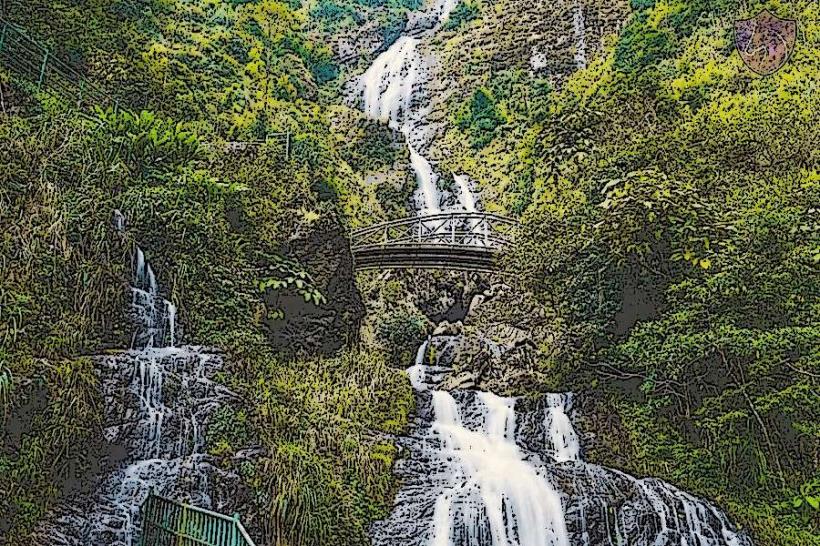
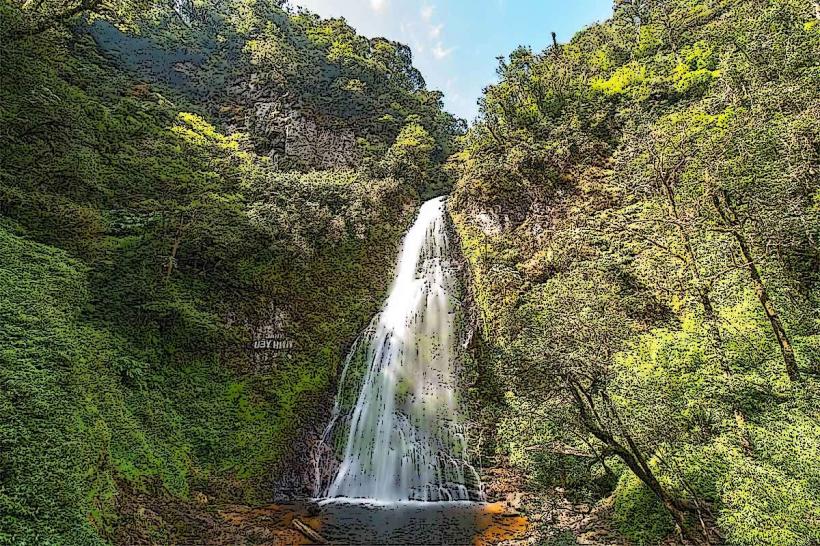
Visitors can observe traditional Hmong handicraft production, including textile weaving and embroidery. The village features a waterfall, known locally as Cat Cat Waterfall, accessible via a walking path. Photography of the village architecture and surrounding scenery is a common activity. Cultural performances by local residents are sometimes offered.
Infrastructure & Amenities
Basic amenities are present within the village. Restrooms are available at designated points. Some areas offer shade from trees and traditional structures. Cell phone signal (primarily 2G/3G) is generally available, though it can be intermittent in certain parts of the village. Small food stalls and local vendors sell snacks and beverages.
Best Time to Visit
The best time of day for photography is generally in the morning or late afternoon when the sunlight provides optimal illumination on the landscape and village structures. The dry season, from October to April, offers more stable weather conditions. The period following the rice planting season (around June) and before harvest (around September) showcases lush green terraced fields.
Facts & Legends
A local legend states that the Cat Cat Waterfall is named after a French colonial administrator who frequented the area. Another point of interest is the traditional "blacksmith" area where Hmong men forge tools and agricultural implements using age-old techniques.
Nearby Landmarks
- Sapa Lake (1.8km Northeast)
- Sapa Stone Church (2km Northeast)
- Ham Rong Mountain (2.5km Northeast)
- Sapa Market (2km Northeast)