Information
Landmark: Cayo de Gran RoqueCity: Los Roques
Country: Venezuela
Continent: South America
Cayo de Gran Roque, Los Roques, Venezuela, South America
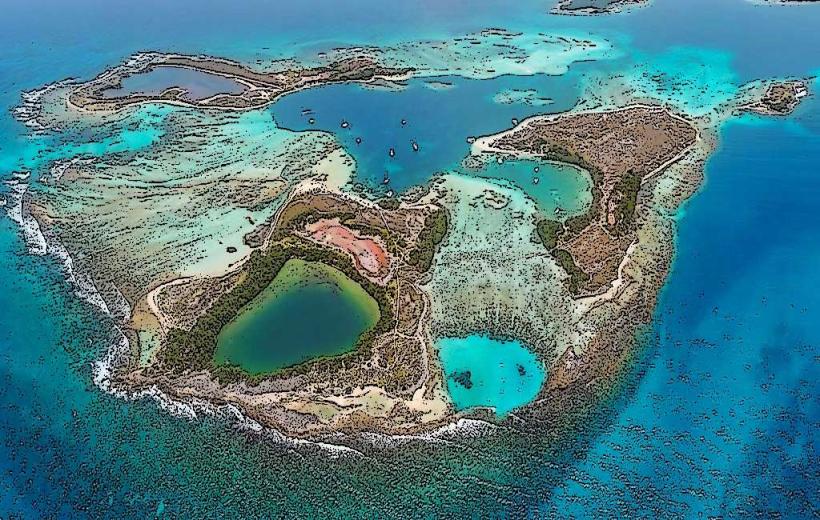
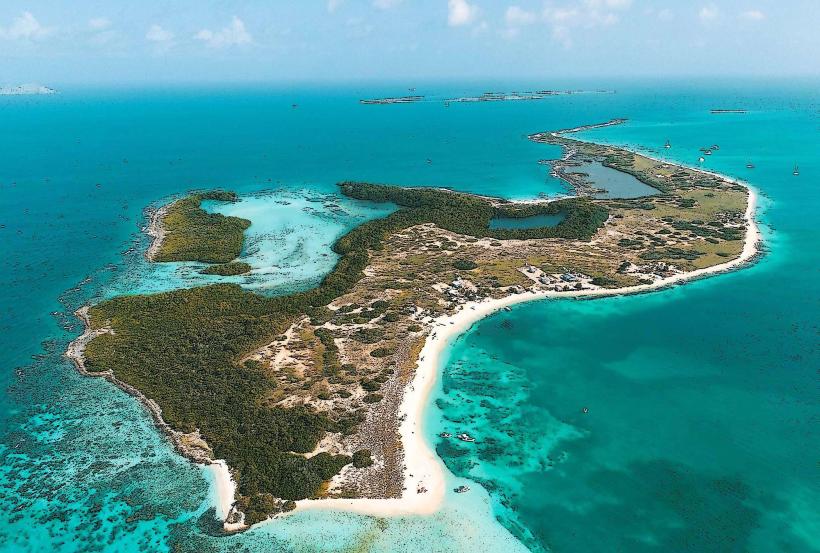
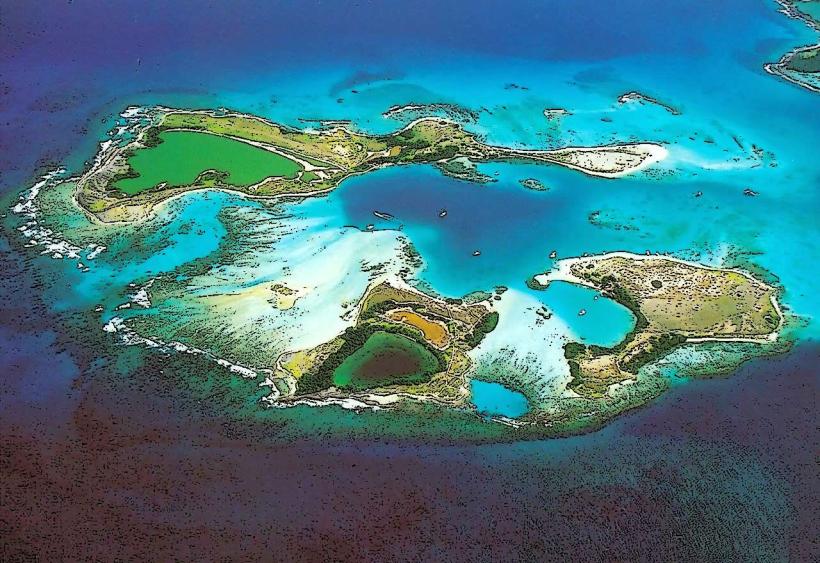
Cayo de Gran Roque is the largest island within the Los Roques archipelago, situated off the coast of Venezuela.
This island serves as the administrative and population center for the Los Roques National Park.
Visual Characteristics
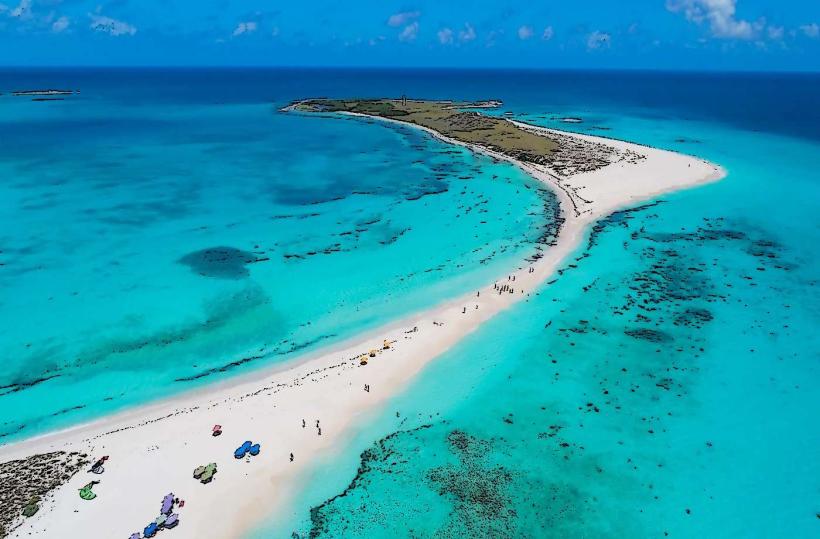
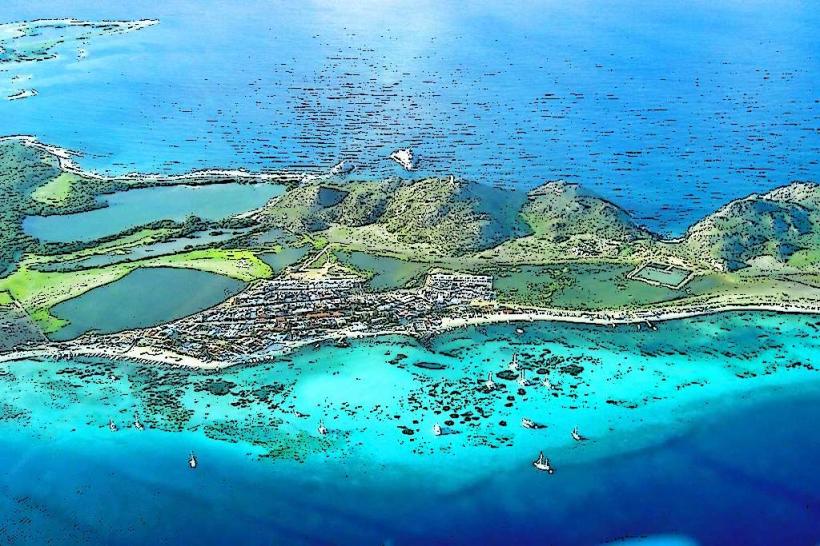
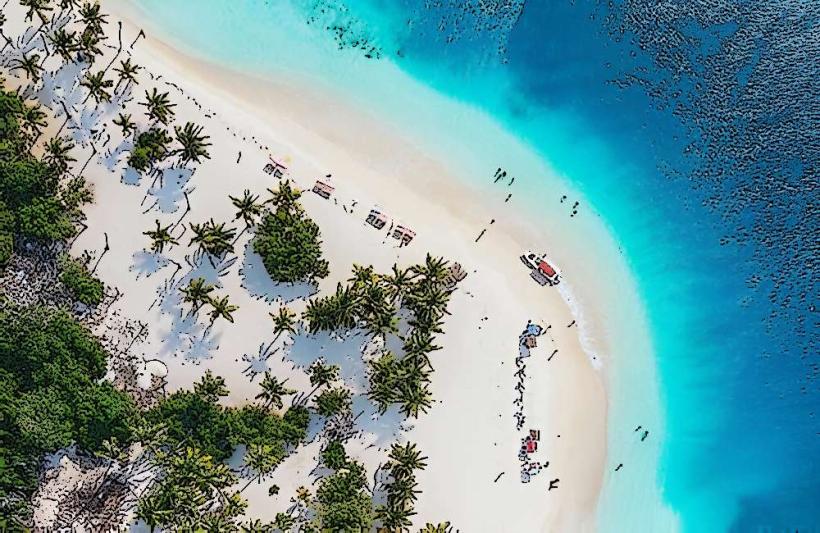
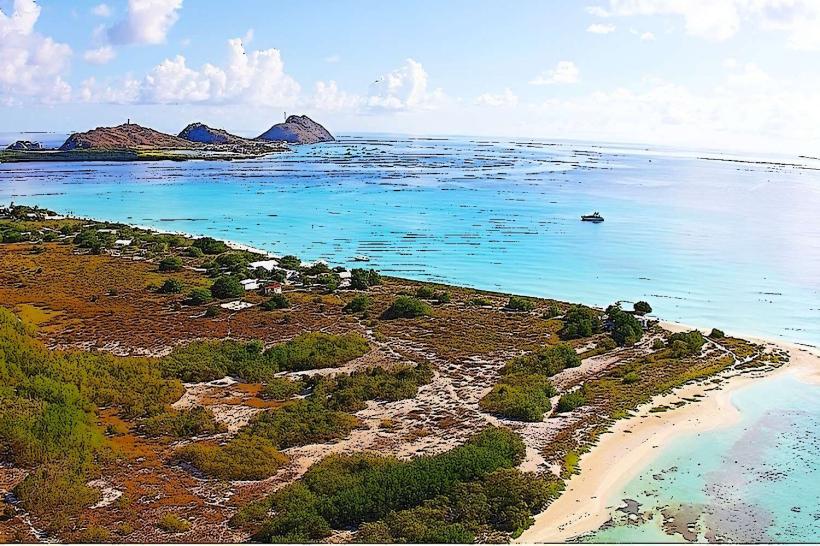
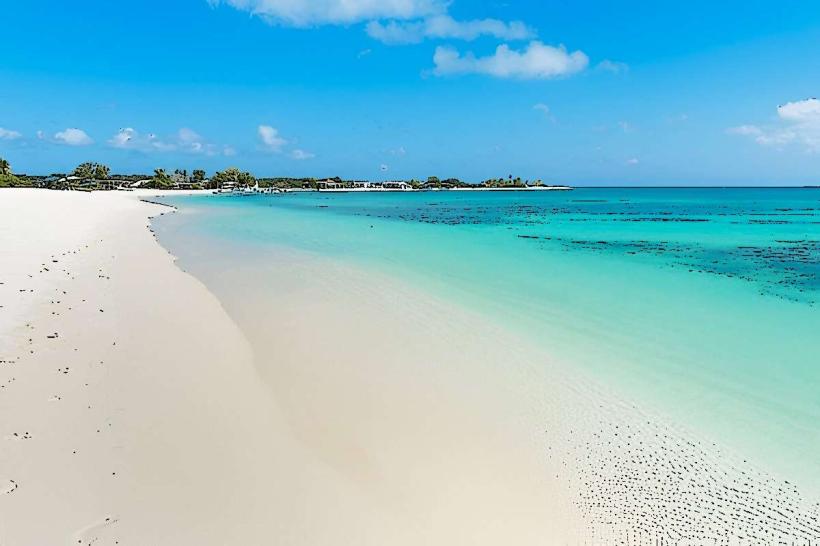
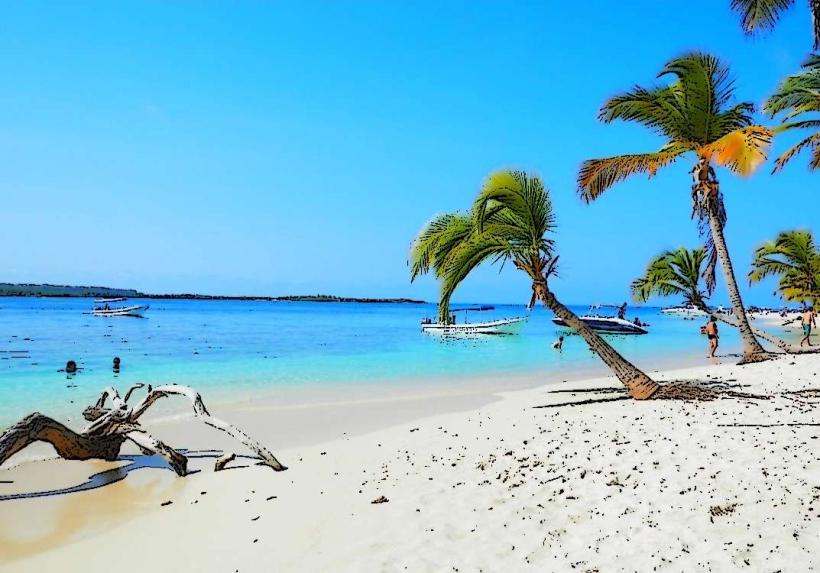
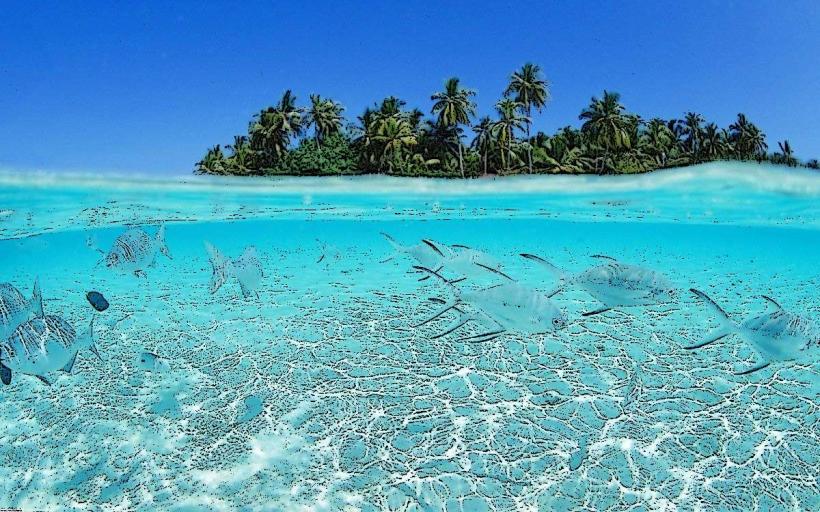
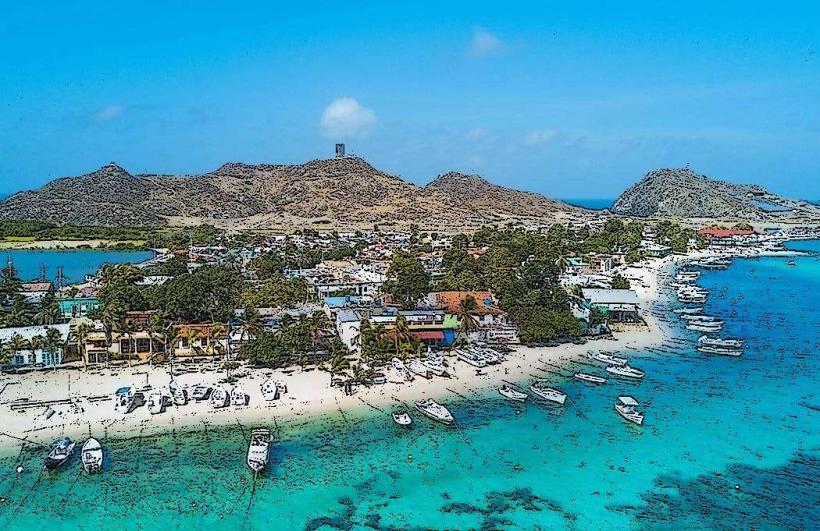
Gran Roque is characterized by low-lying sandy terrain with sparse vegetation, primarily consisting of scrub and a few palm trees. The island's coastline features white sand beaches and shallow, clear turquoise waters. The main settlement is composed of low-rise structures, predominantly painted in pastel colors, with roofs typically made of corrugated metal or tile.
Location & Access Logistics
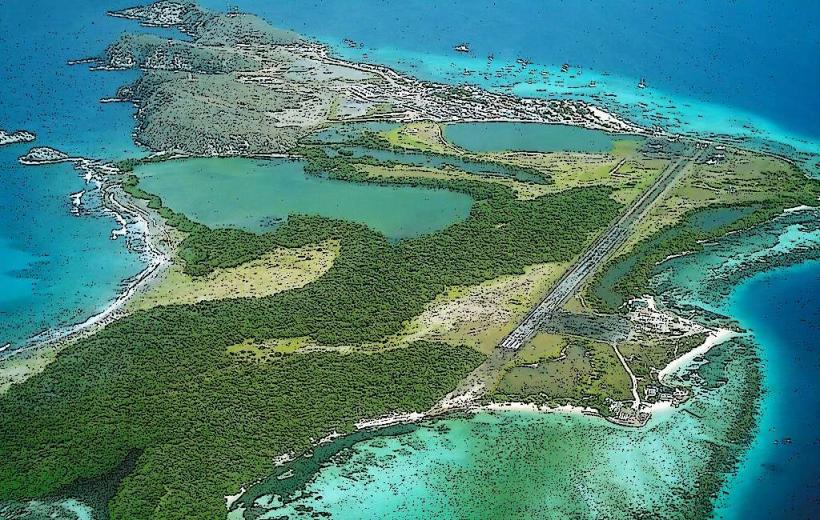
Gran Roque is located approximately 160 kilometers (99 miles) north of Caracas. Access is exclusively via small aircraft landing at the Gran Roque Airport (LRV), which receives daily flights from Caracas (Simon Bolivar International Airport - CCS) and Porlamar (Benito Juarez International Airport - PMV). There are no ferry services connecting Gran Roque to the mainland. Within the island, transportation is primarily on foot; there are no cars. Water taxis are available for inter-island travel.
Historical & Ecological Origin
The Los Roques archipelago, including Gran Roque, is believed to have formed from ancient coral reefs and sand deposits. The island's development as a settlement began in the early 20th century, initially attracting fishermen and later becoming the administrative hub for the national park established in 1972.
Key Highlights & Activities
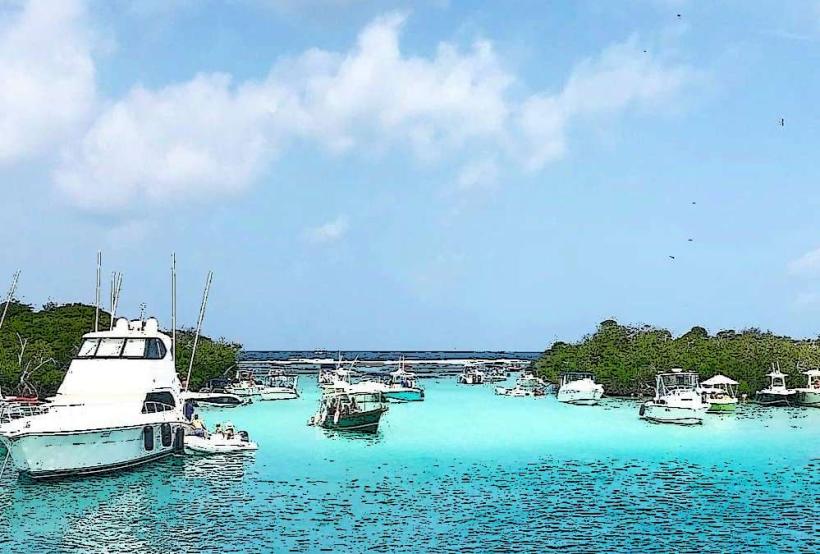
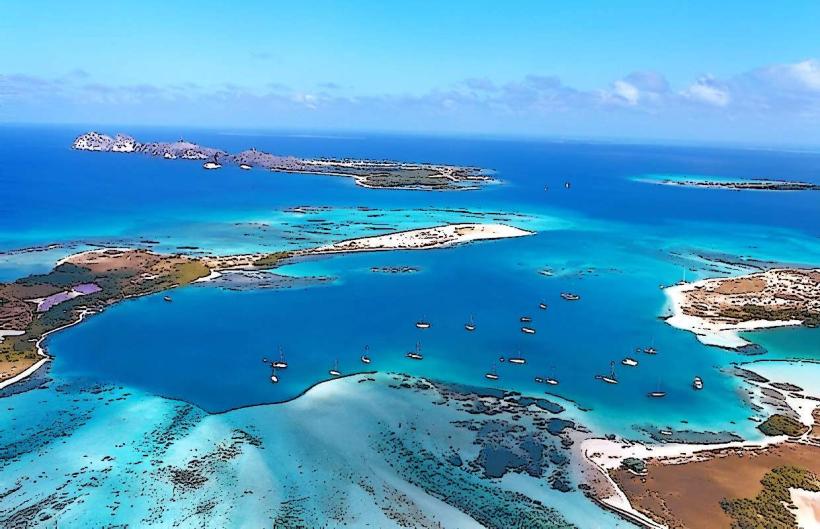
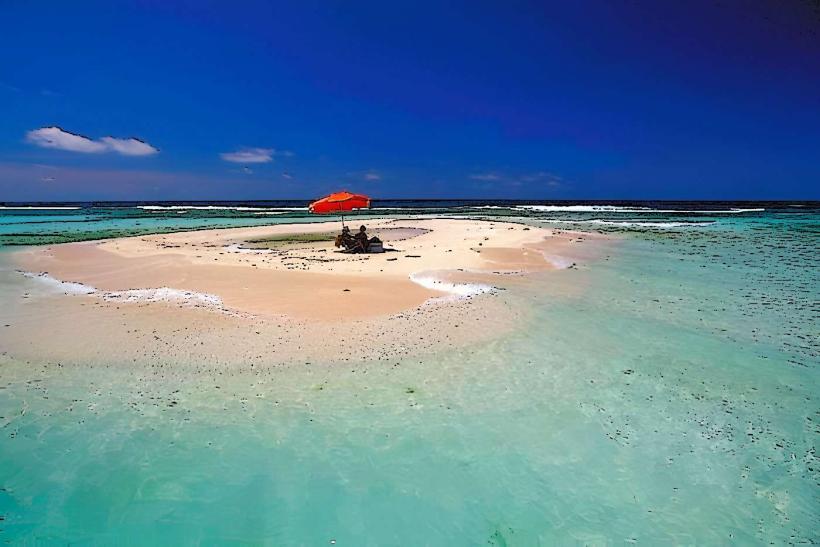
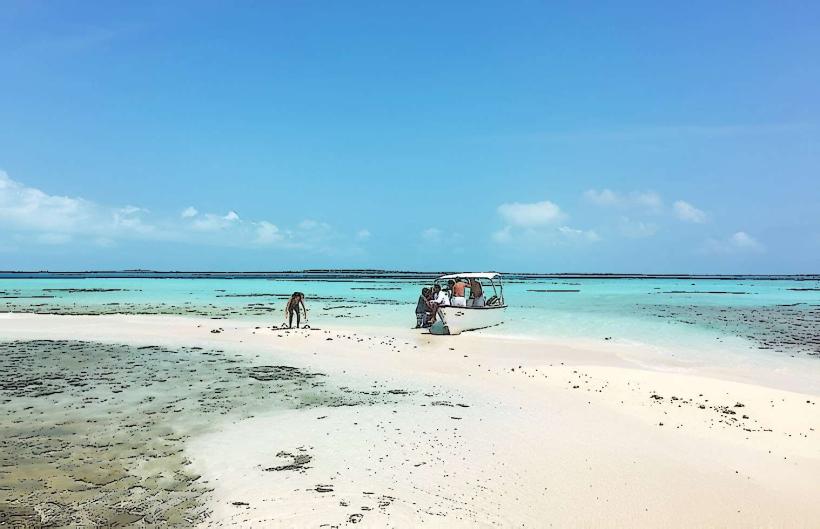
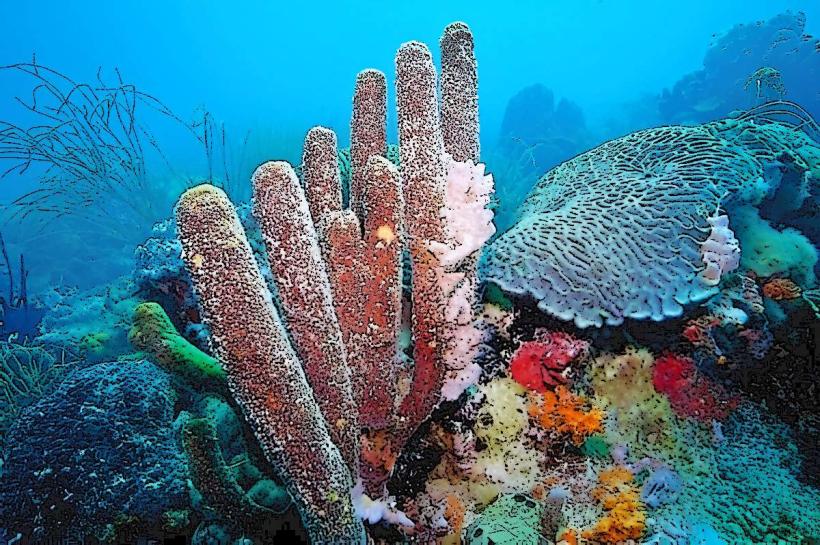
Activities include snorkeling and diving in the surrounding coral reefs, birdwatching (especially migratory species), and exploring the island's beaches. Visitors can ascend the lighthouse (Faro de Punta Robalo) for panoramic views of the archipelago. Day trips to smaller, uninhabited cays are a common activity, facilitated by local boat operators.
Infrastructure & Amenities
Basic infrastructure includes a small airport, a medical clinic, a few small grocery stores, and a limited number of restaurants and guesthouses (posadas). Restrooms are available at most posadas and some public areas. Shade is provided by natural vegetation and structures in the settlement. Cell phone signal (4G) is generally available within the main settlement.
Best Time to Visit
The dry season, from December to May, offers the most favorable weather conditions with minimal rainfall and consistent sunshine. The best time of day for photography is generally early morning or late afternoon due to softer light. High tide is not a critical factor for most activities, but low tide can expose more beach area.
Facts & Legends
The island's name, Gran Roque, translates to "Great Rock," though the island is predominantly sandy. A local legend suggests that pirates once buried treasure on the island, though no verifiable evidence supports this claim. The lighthouse, constructed by Italian engineers in the 1960s, is a prominent landmark and a key navigational aid.
Nearby Landmarks
- Faro de Punta Robalo (Lighthouse) - 0.3km West
- Playa Essequibo - 1.5km East
- Cayo Francisquí - 2.0km Southwest
- Cayo Crasquí - 3.5km Northwest
- Cayo Madrisquí - 4.0km South