Information
Landmark: Cayo MadrisquiCity: Los Roques
Country: Venezuela
Continent: South America
Cayo Madrisqui, Los Roques, Venezuela, South America
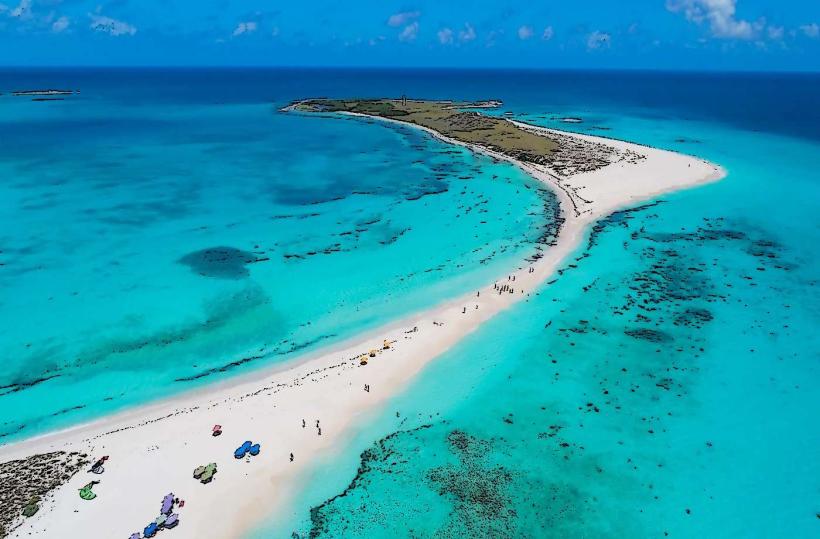
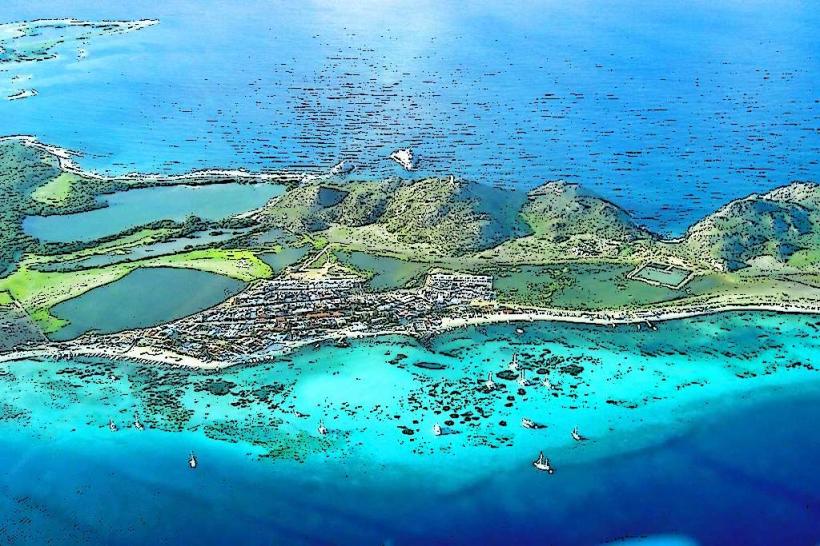
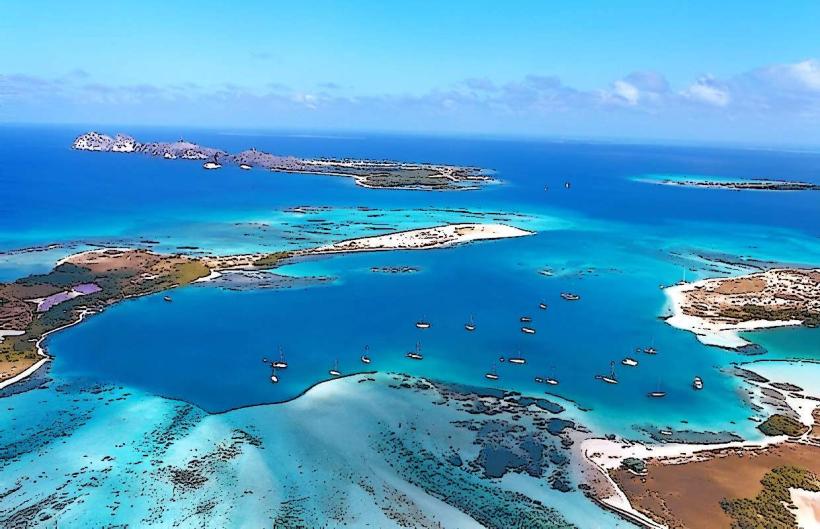
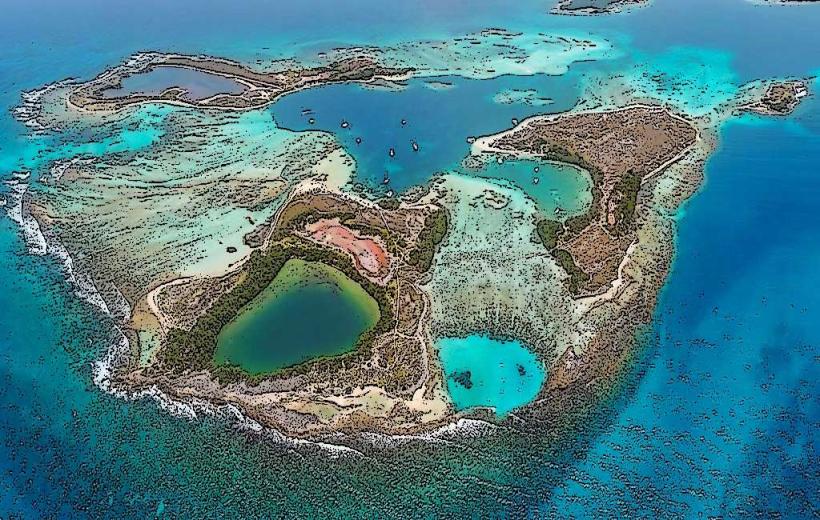
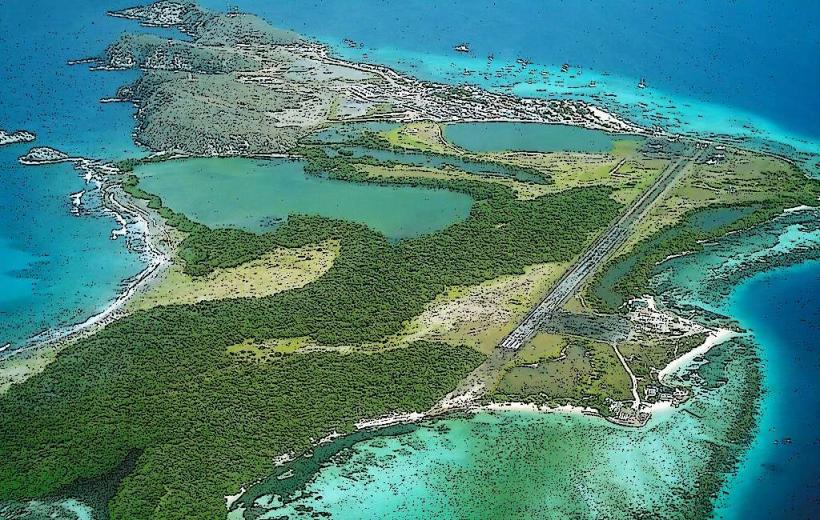
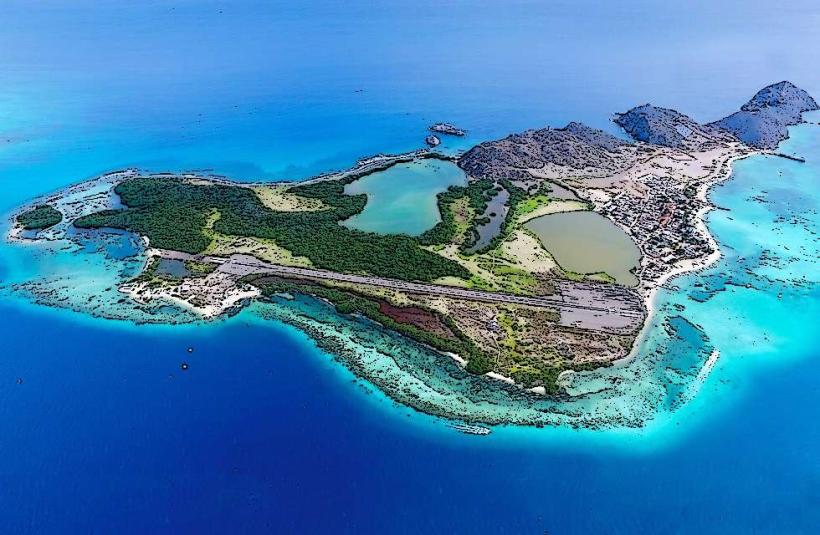
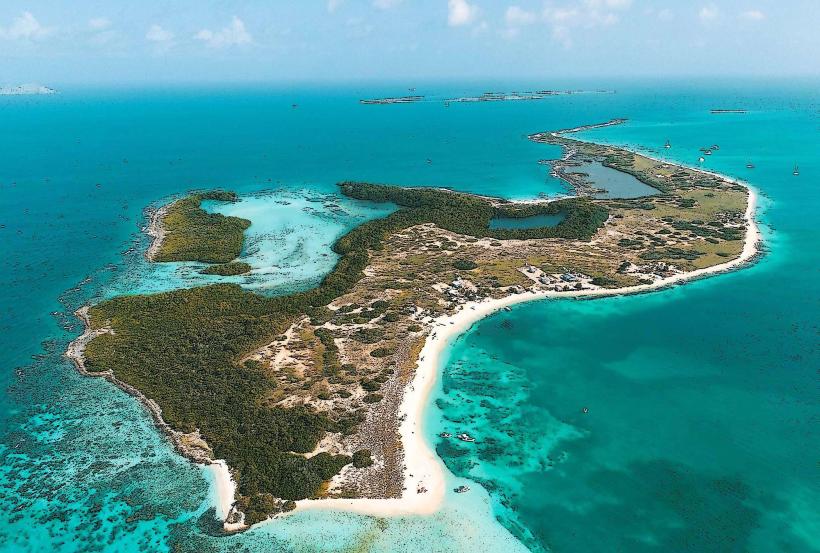
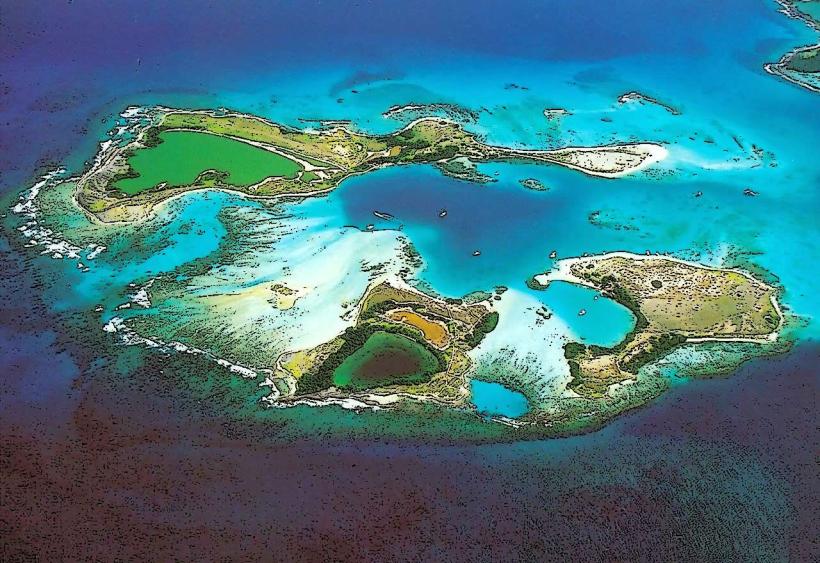
Cayo Madrisqui is a small island located within the Los Roques archipelago, off the coast of Venezuela.
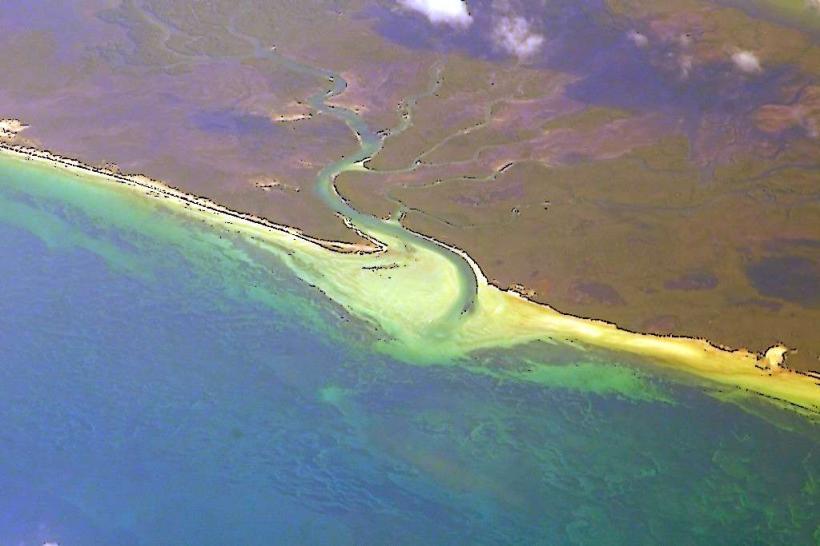
This cay is characterized by its flat topography and extensive shallow waters.
Visual Characteristics
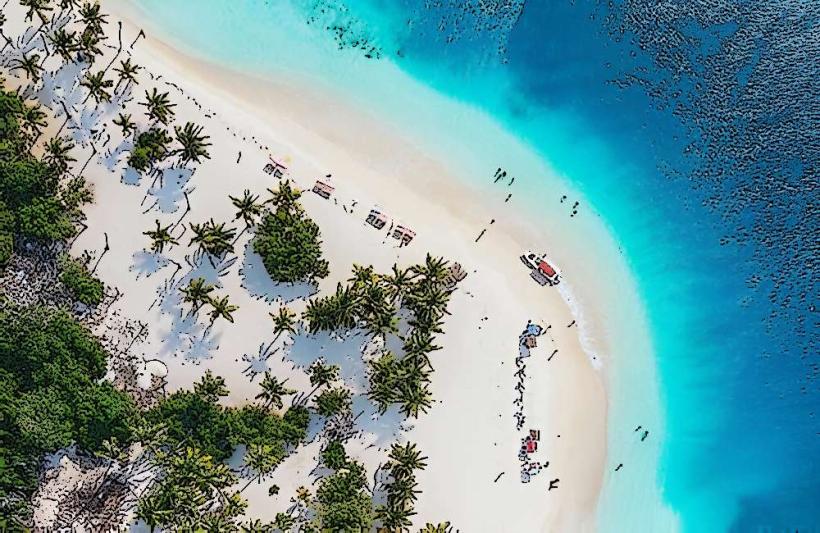
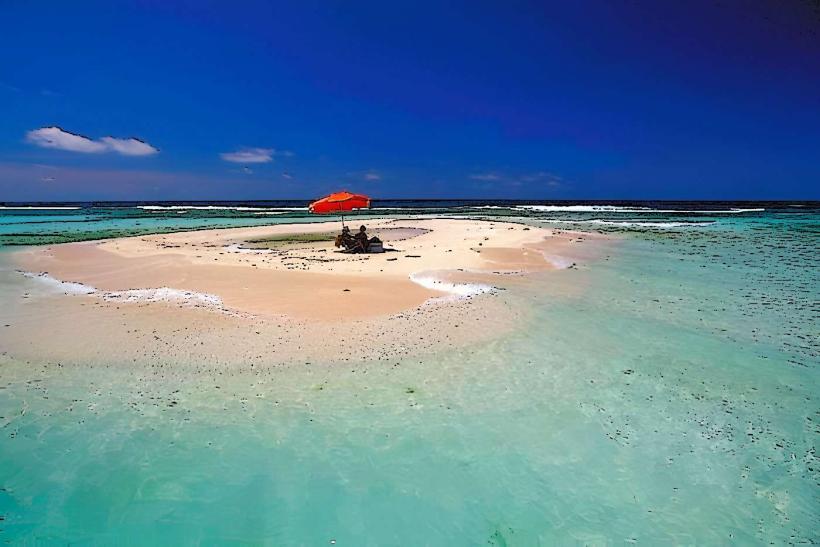
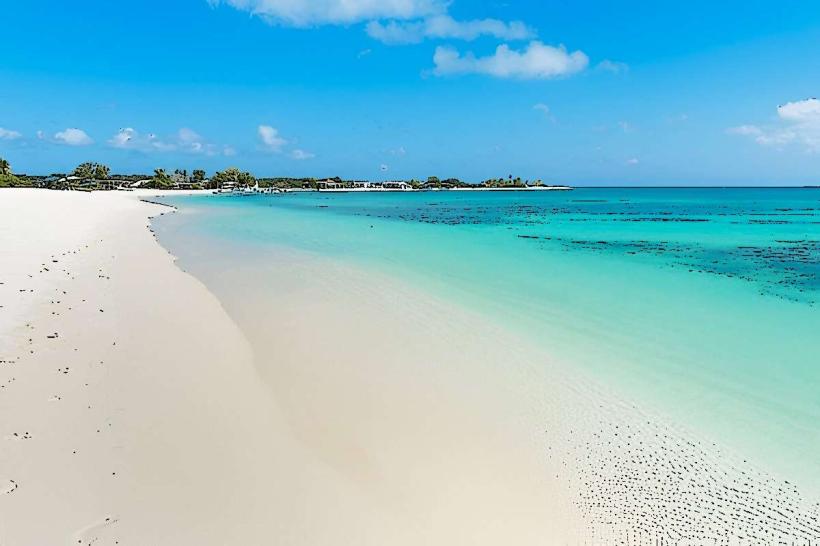
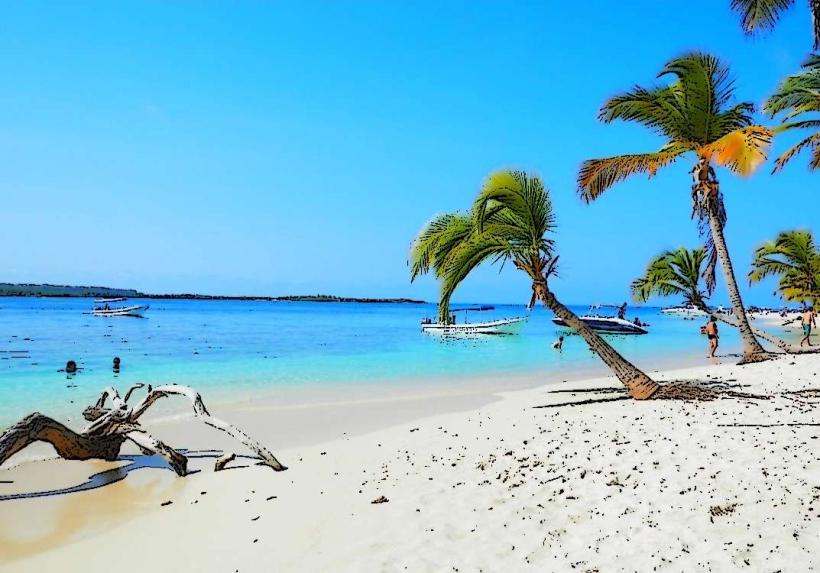
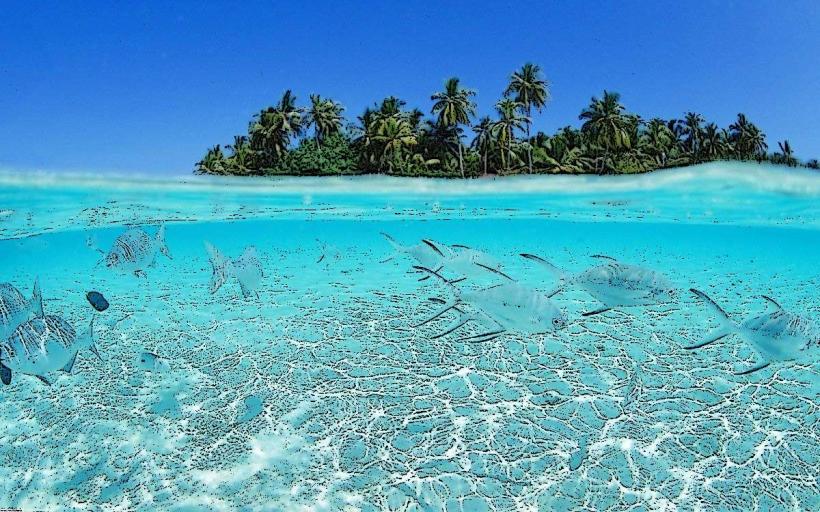
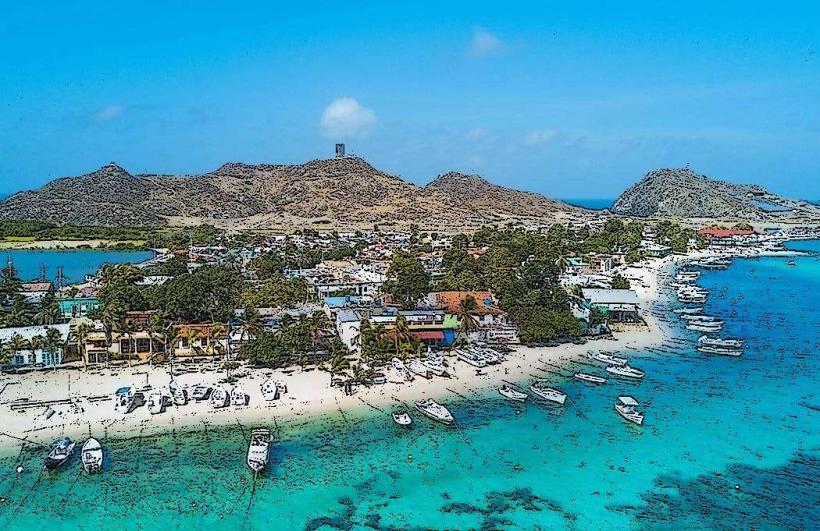
The island consists primarily of fine, white coral sand. The surrounding waters exhibit a gradient of turquoise and light blue hues, becoming deeper blue further from shore. Vegetation is sparse, limited to low-lying scrub and a few scattered palm trees.
Location & Access Logistics
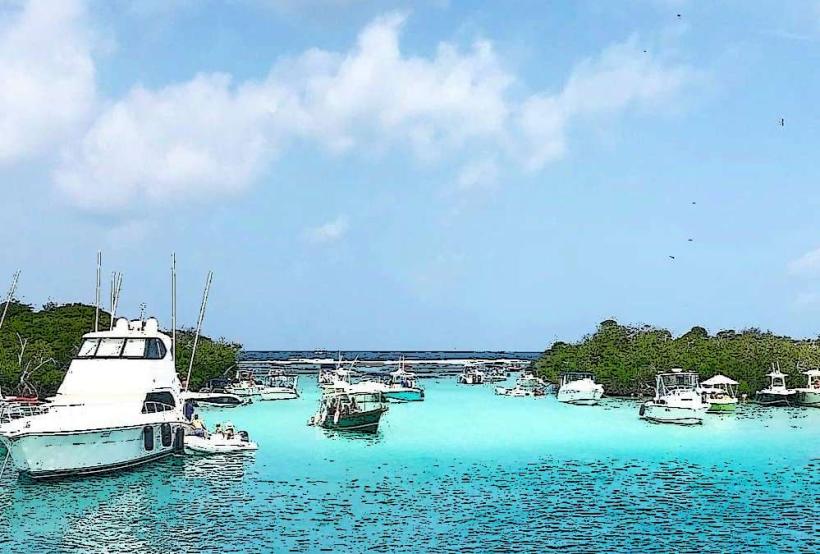
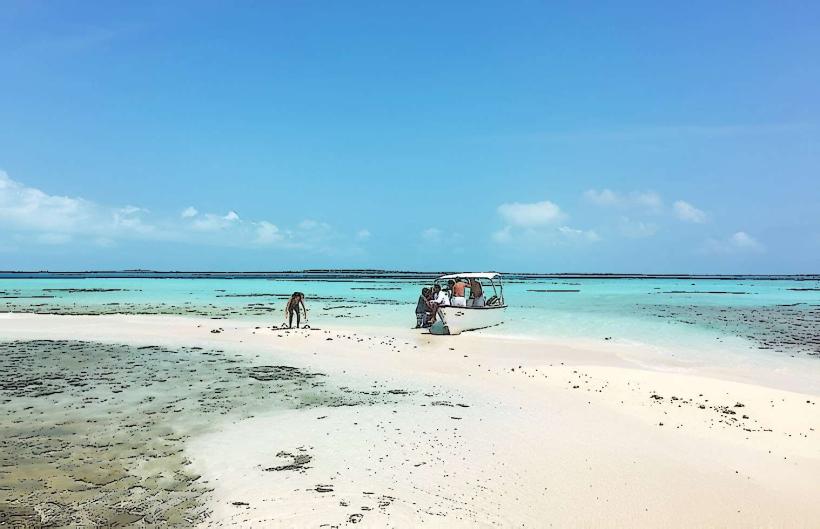
Cayo Madrisqui is situated approximately 150 kilometers north of Caracas. Access is exclusively via small aircraft to the main island of Gran Roque, followed by a water taxi or private boat transfer. The boat journey from Gran Roque typically takes 20-30 minutes. There is no direct road access. Parking is available on Gran Roque for those arriving by private aircraft.
Historical & Ecological Origin
Los Roques archipelago is a national park established in 1972. Cayo Madrisqui is a coral cay, formed by the accumulation of coral fragments and sand over geological time. Its ecological significance lies in its role as a breeding ground for various seabird species and its contribution to the reef system.
Key Highlights & Activities
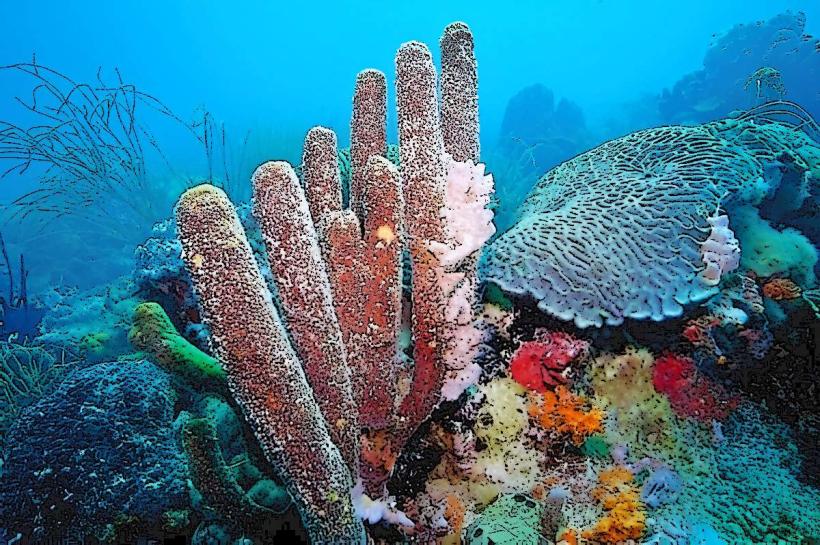
Snorkeling is a primary activity, with shallow reefs accessible directly from the shore. Kayaking and paddleboarding are possible in the calm, shallow lagoons. Visitors can walk the perimeter of the island. Fishing is permitted in designated zones outside the immediate protected areas.
Infrastructure & Amenities
Limited infrastructure exists on Cayo Madrisqui. There are no permanent structures or facilities. Visitors should bring their own provisions, including food and water. Shade is minimal, provided only by natural vegetation. Cell phone signal is generally unreliable.
Best Time to Visit
The dry season, from December to April, offers the most consistent weather conditions. The best time of day for photography is generally mid-morning to early afternoon when sunlight is strongest, illuminating the water colors. High tide is preferable for easier access to snorkeling areas.
Facts & Legends
A local anecdote suggests that the island's name derives from a type of medicinal plant once found in abundance. The shallow, clear waters are ideal for observing marine life without specialized equipment.
Nearby Landmarks
- Gran Roque (2.5km Southwest)
- Cayo Crasqui (3km Northwest)
- Cayo Francisqui (4km West)
- Cayo Pirata (4.5km Southeast)