Information
Landmark: Chadron Historic DistrictCity: Chadron
Country: USA Nebraska
Continent: North America
Chadron Historic District, Chadron, USA Nebraska, North America
The Chadron Historic District is a designated area within the city of Chadron, Nebraska, preserving structures from the late 19th and early 20th centuries.
It encompasses a collection of buildings that represent the architectural and commercial development of the city during its formative years.
Visual Characteristics
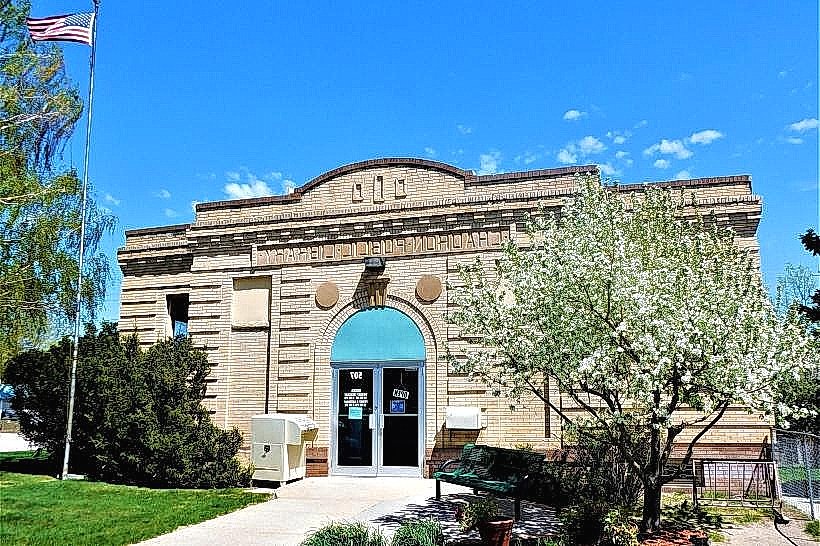
The district features a range of architectural styles, primarily late Victorian and early 20th-century commercial. Buildings are predominantly constructed of brick and stone, with some featuring pressed metal facades. Typical colors include red brick, grey stone, and white or cream-colored trim. Building heights generally range from one to three stories. Architectural elements include detailed cornices, arched windows, and decorative brickwork.
Location & Access Logistics
The Chadron Historic District is located in the central business district of Chadron, Nebraska. It is centered around the intersection of Main Street and Second Street. The district is approximately 0.5 km from the Chadron Municipal Airport. On-street parking is available along Main Street and adjacent side streets, with time limits enforced. The Chadron Area Transit System (CATS) bus service operates routes that pass through the downtown area, with stops within walking distance of the district.
Historical & Ecological Origin
The Chadron Historic District's origin is tied to the establishment of Chadron as a railroad town in the 1880s. The majority of the buildings were constructed between 1885 and 1930, serving as the commercial and administrative hub for the growing community. Key structures include the original Dawes County Courthouse, the Carnegie Library, and numerous storefronts that supported the agricultural and railroad industries. The district's development reflects the economic expansion of western Nebraska during this period.
Key Highlights & Activities
Visitors can observe the preserved architecture of the period. Walking tours focusing on the district's history are available through local historical societies. Several businesses within the district offer retail shopping and dining experiences. The Museum of the Fur Trade is located nearby and provides context to the region's early history.
Infrastructure & Amenities
Public restrooms are available at the Chadron Public Library and within some commercial establishments. Shade is provided by awnings on some buildings and mature trees along sidewalks. Cell phone signal (4G/5G) is generally strong throughout the district. Food vendors and restaurants are located within the district and on surrounding streets.
Best Time to Visit
The best time of day for photography is during the late afternoon, when the western light illuminates the building facades. The months of May through October offer the most favorable weather conditions for exploring the district on foot. No specific tide requirements are applicable.
Facts & Legends
A notable historical oddity is the presence of a former opera house, the "Grand Opera House," which was a significant cultural venue for the town in the early 20th century, despite Chadron's relatively small population at the time. A specific tip for visitors is to look for the original date stones incorporated into the facades of many buildings, indicating their construction year.
Nearby Landmarks
- Museum of the Fur Trade (1.5km Southwest)
- Chadron State Park (8km South)
- Dawes County Historical Society Museum (0.3km North)
- White River National Forest (Access points approximately 20km North)