Information
Landmark: Chesapeake ArboretumCity: Chesapeake
Country: USA Virginia
Continent: North America
Chesapeake Arboretum, Chesapeake, USA Virginia, North America
Chesapeake Arboretum – Detailed Overview
The Chesapeake Arboretum is a 51-acre public garden and natural preserve located at 624 Oak Grove Road, Chesapeake, Virginia. Established in 1996, this arboretum is dedicated to environmental education, horticulture, and the conservation of native plant species. It offers a tranquil natural setting combining historical landmarks, diverse flora, and extensive trails designed for visitors of all ages.
Historical Significance
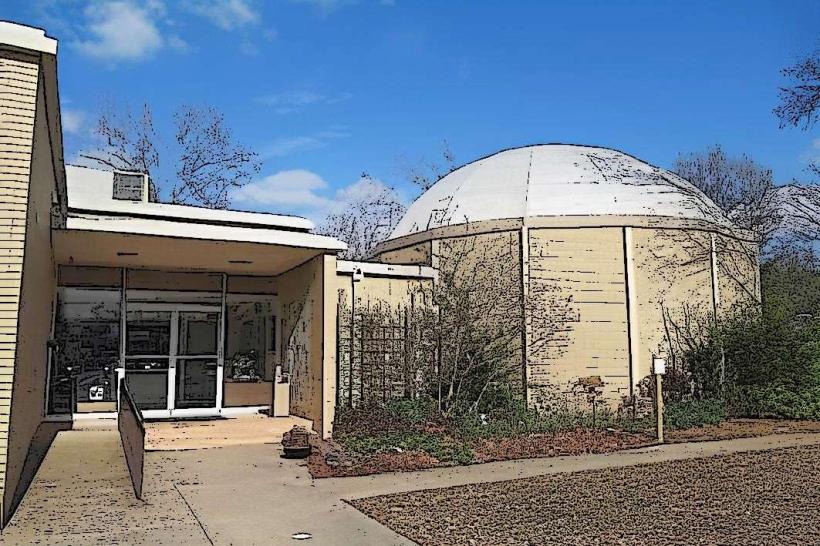
At the heart of the Arboretum is the Caleb Williamson Farmhouse, a restored historic farmhouse dating back to the 1780s. This structure not only anchors the site historically but also serves as an educational center where programs and exhibits about local natural history and preservation take place. The farmhouse reflects early American architecture and agricultural heritage, connecting visitors to the region’s colonial past.
Natural Features and Plant Collections
Camellia Cove: One of the Arboretum’s signature gardens, Camellia Cove is part of the American Camellia Trail and features over 50 varieties of camellias. The camellias bloom spectacularly from late fall through early winter, providing vibrant color and fragrant blossoms when many other plants are dormant.
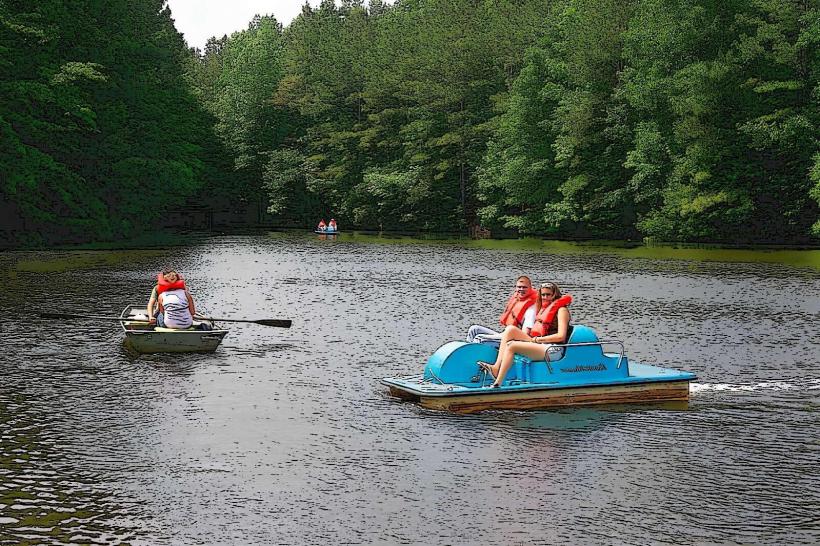
Lake Hughes: A peaceful 3-acre lake adds to the scenic beauty of the Arboretum. The lake supports aquatic and semi-aquatic wildlife, contributing to the site’s ecological diversity. It is a focal point for birdwatchers and nature enthusiasts.
Diverse Flora: The Arboretum hosts a wide variety of native trees, shrubs, and wildflowers. Many trees are labeled with both common and scientific names, creating an outdoor classroom for learning about regional plant species.
Trail System
The Chesapeake Arboretum features approximately 3.5 miles of well-maintained mulched trails winding through mature hardwood forests, wetlands, and open meadows. Trails are clearly marked with color-coded blazes for easy navigation:
White Trail (Central Loop): Main trail circling the central part of the arboretum.
Yellow Trail (North Loop/Urban Forestry Trail): Passes through urban forestry demonstration areas.
Orange Trail (South Loop): Traverses southern wooded and meadow areas.
Blue Trail: Leads to and around Lake Hughes.
Red Trail (Native Tree Trail): Focused on native tree species.
Green Trail (Camellia Cove Trail): Accesses the camellia garden.
Purple Trail: Connects entrances and trail junctions.
Along these trails, visitors cross 11 wooden bridges over small streams, including the perennial Starr Run, which supports amphibians, fish, and waterfowl, enhancing the biodiversity of the site.
Wildlife and Birdwatching
The Arboretum is part of the Virginia Birding and Wildlife Trail’s South Chesapeake Loop. The diverse habitats attract many bird species such as:
Turkey Vultures
Red-bellied Woodpeckers
Blue Jays
Carolina Chickadees
Other wildlife includes frogs, turtles, and small mammals commonly seen along the trails and near the water bodies.
Educational and Recreational Programs
Nature Academy: This program targets children aged 5 to 12, offering hands-on environmental education through interactive activities, guided nature walks, and seasonal workshops that foster a connection with nature.
Self-Guided Tree Walk: Visitors are encouraged to explore the arboretum independently with the aid of informational signage that identifies plant species and explains ecological relationships.
Special seasonal events, workshops, and volunteer opportunities are offered throughout the year to engage the community in conservation and natural history.
Visitor Amenities and Access
The Arboretum is open daily from sunrise to sunset, providing free public access.
Ample parking is available on-site near the Caleb Williamson Farmhouse.
Trails are generally accessible for moderate hiking; however, some paths have natural terrain and may not be suitable for wheelchairs.
Picnic areas and benches are scattered throughout for rest and relaxation.
Restrooms and visitor facilities are available near the farmhouse during staffed hours.
Location and Directions
The Chesapeake Arboretum is situated just off Battlefield Boulevard:
From Oak Grove Lake Park, return to Battlefield Boulevard and travel south for about 1.5 miles to Gainsborough Square.
Turn left at the traffic light and continue approximately 0.2 miles to the end of the road.
Make a left turn followed by an immediate left into the Arboretum parking lot.
Summary
The Chesapeake Arboretum offers a harmonious blend of natural beauty, historic preservation, and educational opportunities. It serves as a peaceful retreat for hiking, birdwatching, and studying native plants, while providing an important community resource for environmental awareness and stewardship. Its combination of historic structures, vibrant gardens like Camellia Cove, and extensive trail networks make it a standout destination for nature lovers in the Chesapeake region.