Information
Landmark: Chora VillageCity: Folegandros
Country: Greece
Continent: Europe
Chora Village, Folegandros, Greece, Europe
Overview
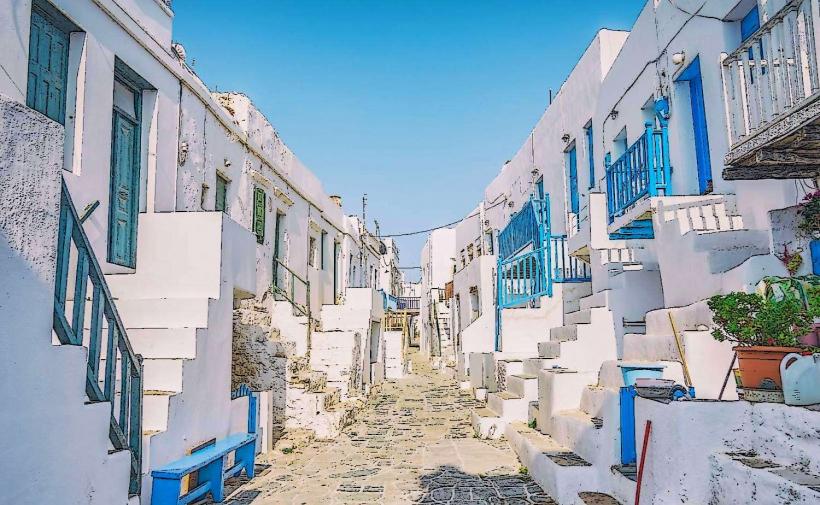
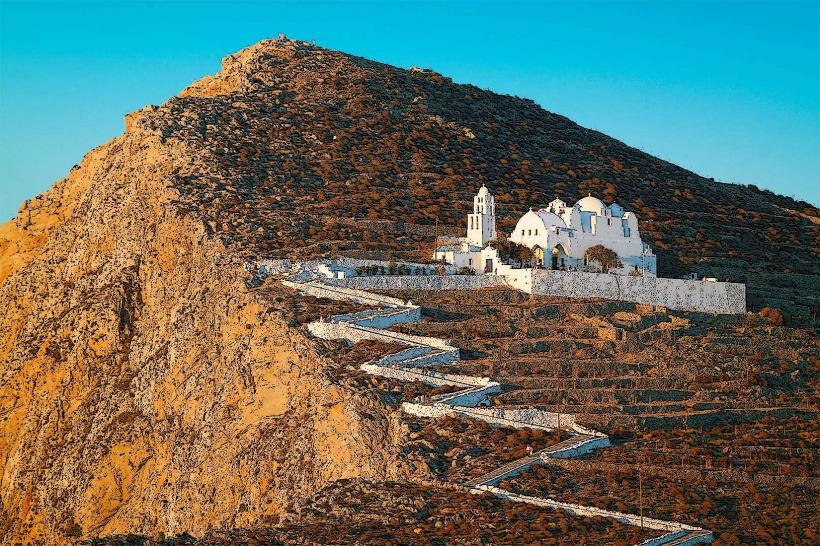
Chora is the capital and heart of Folegandros, a Cycladic island in the Aegean Sea where whitewashed houses perch on a cliff above the water, alternatively this lovely, historic Greek village is known for its graceful stone houses, winding cobblestone lanes, and views that seem to stretch forever under the dazzling blue sky.Chora sits high on a hill, with the sea stretching wide below and jagged cliffs cutting into the horizon, as well as travelers love this village for its Cycladic charm-whitewashed walls glowing in the sun-and the quiet it offers, far from the bustle of the region’s busier islands.From what I can see, First, meanwhile perched on a cliff in the heart of Folegandros, Chora offers sweeping views of the deep blue Aegean Sea.Perched high on a hill, it stood like a natural fortress-easy to notice from miles away yet tough to reach-an advantage that kept it reliable through ancient and medieval days, then from the village, you can glimpse the island’s rugged cliffs plunge into the sea, their dusky stone sharply set against whitewashed houses and the narrow, twisting streets that weave through town.From Chora, the view is stunning-especially as the sun slips low and the sky flushes with deep gold and streaks of rose, therefore step two’s simple-mix up the rhythm with a blend of short and medium-length sentences, like pairing a quick note with a fuller thought.Chora’s roots stretch deep into antiquity, yet its narrow stone lanes and faded frescoes speak mostly of medieval and post-Byzantine days, likewise for centuries, it’s been the heart of Folegandros-where decisions are made, traditions are celebrated, and bells echo from the ancient church.Chora’s winding streets and stone arches reflect the strong Venetian presence from the 13th to 16th centuries, a time when the island bristled with fortifications to fend off pirate raids, while perched at Chora’s highest point, the Kastro fortress rose during this era, its weathered stone walls still whispering of the island’s medieval past.Interestingly, In Chora, narrow streets wind between whitewashed houses, a design that balances everyday living with the need to keep the island reliable, in addition today, Chora mixes centuries-timeworn stone walls with the easy pace of modern island living, where age-vintage customs share space with fresh coffee brewing in sunlit cafés.It’s still the cultural and social heartbeat of Folegandros, where music drifts from the square during festivals and neighbors gather for events and shared traditions that shape daily life on the island, after that three.In Chora, the classic Cycladic style comes to life with whitewashed walls, flat rooftops shimmering in the sun, and narrow lanes that twist and turn through the heart of the village, besides most of the houses rise just one or two stories, their radiant blue shutters and doors standing out sharply against walls as white as sun-bleached stone, slightly often Kastro, the medieval castle perched at Chora’s highest point, stands as the heart of the village, its stone walls catching the afternoon sun, consequently the area is fortified, its narrow streets twisting past little squares and stone houses that have stood since the 13th century, relatively The Kastro twists and turns like a maze, built to keep enemies out and shield its people from attack, subsequently inside the Kastro, visitors can step into the Church of Panagia-dedicated to the Virgin Mary-where candles still flicker in its quiet, working sanctuary.To be honest, The village winds together in a tangle of cobbled lanes, some no wider than a doorway, climbing steeply and twisting in ways that make the air feel timeworn and full of stories, therefore local shops, cozy cafés, bustling restaurants, and heritage family homes line these streets, some with wooden doors worn smooth by decades of use, slightly often In Chora, you’ll find several lively squares, or plateies, where locals and travelers linger near cafés and tavernas, the air rich with the scent of grilled fish and fresh bread, along with in the heart of Chora, the main square hums with life, and by evening it’s packed with chatter, footsteps, and the smell of fresh bread from nearby cafés.Number four, after that in Chora, you’ll find several churches and chapels, each with its own story and distinctive architecture-like a stone doorway worn smooth by centuries of hands.As it turns out, Across the island, many churches honor saints or the Virgin Mary, their stone walls echoing a centuries-ancient faith, along with tucked inside the Kastro, the Church of Panagia stands out for its rich Byzantine touches, from the faded gold icons to the graceful stone arches, under certain circumstances On a gentle hill in the heart of Chora, a whitewashed windmill catches the light, making it a picture you’ll want to keep, as well as the windmill stands as a proud emblem of the island’s farming past, a reminder of when sails creaked in the breeze to turn grain into flour.In Chora, the Folegandros Folklore Museum invites visitors to step inside the island’s past, with displays of worn tools, embroidered linens, and stories that bring its history, culture, and traditions to life, meanwhile the museum highlights Folegandros’ history with local artifacts, timeworn photographs, and exhibits spanning from weathered ancient relics to snapshots of life today.The heritage Port: Chora may sit inland, but just down the road, Karavostasis’s weathered timeworn docks welcome most visitors to the island, likewise a handful of fishing boats bob gently in the port, while cozy, traditional tavernas ring the area, serving fresh seafood and local specialties, occasionally Five, subsequently in Chora, many locals still call it home, tending to their gardens and carrying on the traditions passed down through generations.Farming still drives the island’s economy, with olive oil pressed from ripe green fruit and wine crafted from sun-warmed grapes at its heart, at the same time in Chora, visitors slip into the island’s true rhythm-joining lively festivals, savoring fresh-baked bread still warm from the oven, and watching artisans shape delicate crafts by hand.In Folegandros, Chora sits at the heart of island life, where music drifts through its narrow streets during lively local festivals held all year long, then on August 15, the island comes alive for the Assumption of the Virgin Mary (Panagia), one of its most pivotal religious celebrations, marked by candlelight processions and ringing church bells.As it happens, In summer, the village comes alive with cultural events-lively music echoing through the square and dancers swirling in shining costumes, as well as in Chora, you’ll find plenty of restaurants, tavernas, and cafés serving traditional Greek fare, with local specialties from Folegandros like matsata pasta, warm savory pies, and tangy island cheeses.Believe it or not, The island’s famous for its local wines and rich olive oil, the kind that glistens golden in the sun, what’s more number six, to some extent Though Folegandros sees fewer crowds than the bigger Cycladic islands, Chora still draws visitors eager for a quiet, genuine taste of Greek life, where whitewashed steps catch the afternoon sun, likewise what makes it special is the quiet seclusion, the simple way of life, and how deeply it’s tied to the whisper of wind through the trees.Visitors can wander Chora’s narrow, sunlit streets, pause for sweeping sea views, step into its quiet churches and museums, or stroll up to the Kastro for a breathtaking panorama, in turn you can hike down to the island’s quiet beaches or wander along trails that lead to neighboring villages.In Chora, the nightlife has an easy pace, with tavernas serving wine and cafes pouring coffee well past midnight, therefore you’ll also find cozy bars and intimate music spots-maybe a dim corner stage where a guitar hums-for anyone who likes a quiet night out.The village still feels magical at night, with lamplight pooling on the cobblestones and candles flickering in the café windows, therefore seven.In the end, Chora beats at the center, its spirit as steady as a drum in the night.
Author: Tourist Landmarks
Date: 2025-10-07