Information
Landmark: Church of St. ParaskevaCity: Nessebar
Country: Bulgaria
Continent: Europe
Church of St. Paraskeva, Nessebar, Bulgaria, Europe
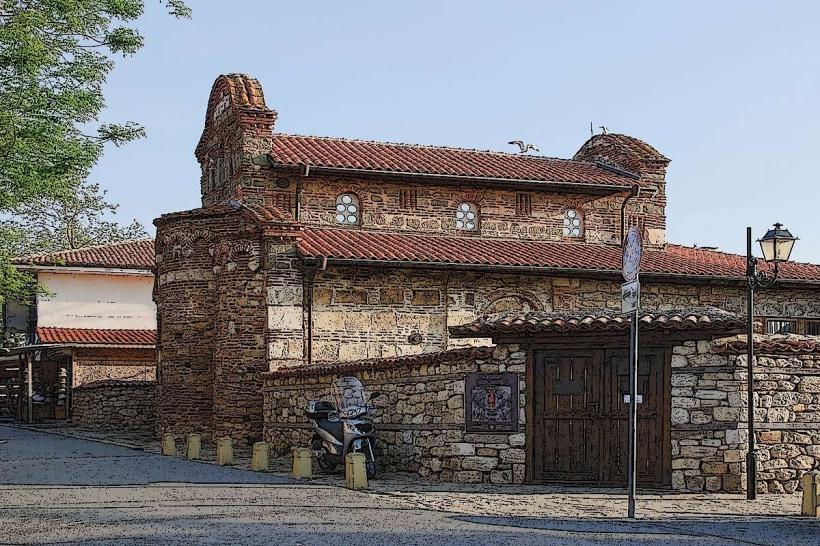
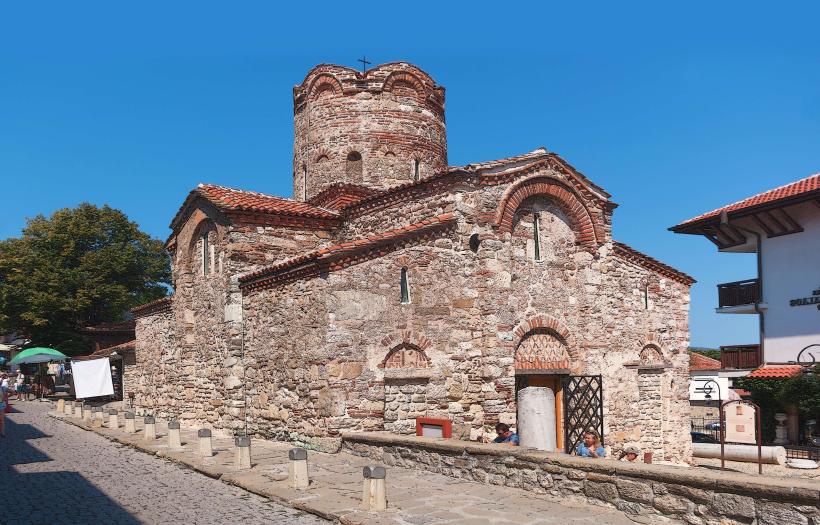
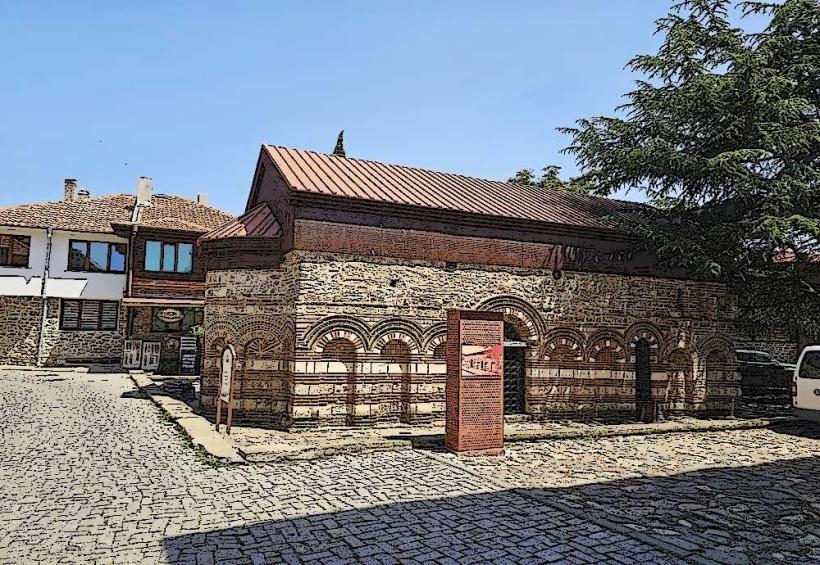
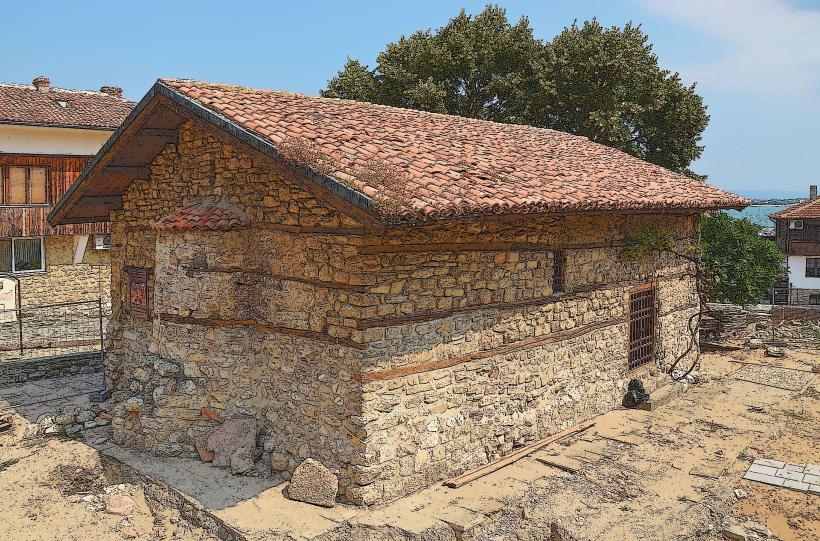
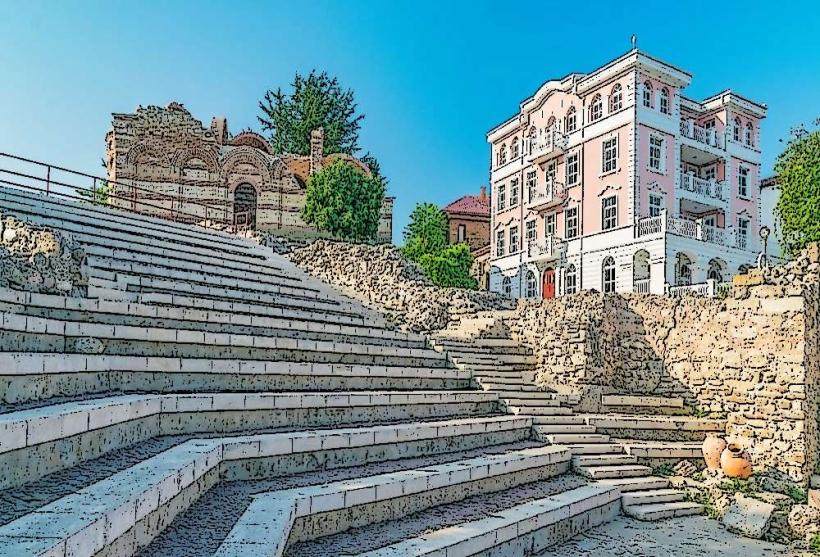
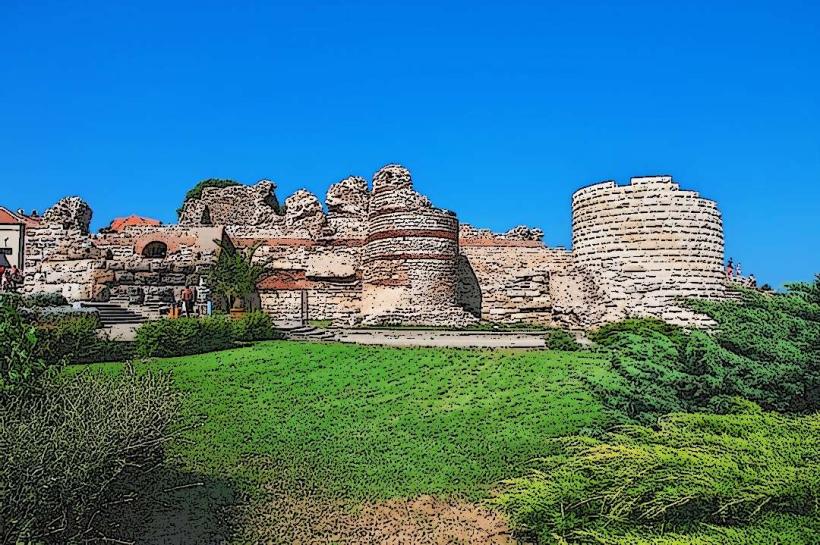
The Church of St. Paraskeva in Nessebar, Bulgaria, is another important example of the city’s rich medieval ecclesiastical heritage. Though smaller than some of the other prominent churches in Nessebar, it is highly regarded for its distinctive architecture, fine masonry, and dedication to a widely venerated Orthodox saint. It forms part of the UNESCO World Heritage Site designation that encompasses the Ancient City of Nessebar, recognized for its exceptional concentration of Byzantine and medieval Christian monuments.
Historical Context
The Church of St. Paraskeva was likely constructed in the 13th or early 14th century, during the late period of the Second Bulgarian Empire.
Nessebar at this time was a thriving religious and trade center, frequently changing hands between Bulgarian and Byzantine control.
The dedication is to St. Paraskeva of Epivat (Petka of Bulgaria), a highly venerated female saint in the Eastern Orthodox world, especially in the Balkans. She was known for her ascetic life and healing miracles and became a protector of women and the poor.
Architectural Characteristics
This church, while modest in scale, displays many of the key elements of the medieval Bulgarian-Byzantine architectural tradition.
Layout and Structure
The church is a single-nave structure with a narthex (vestibule) and a semi-circular apse.
It features a cross-in-square plan, a common design in Orthodox architecture, though here it is rendered in a simpler, more compact form.
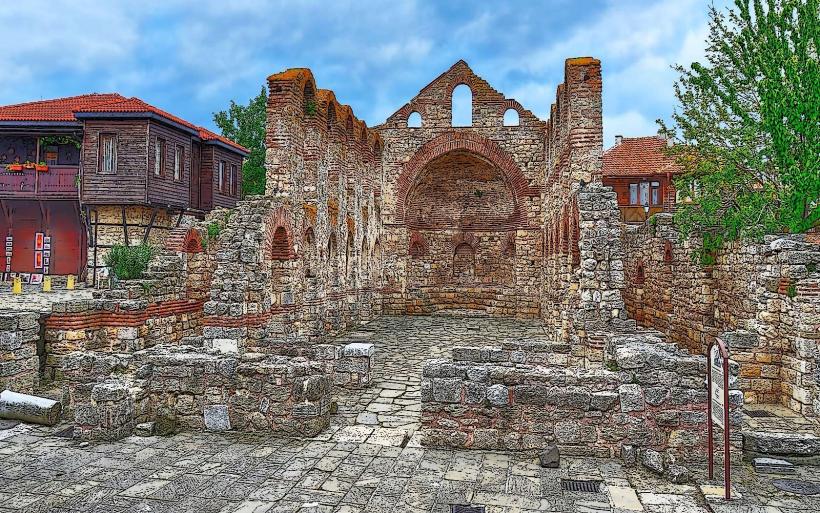
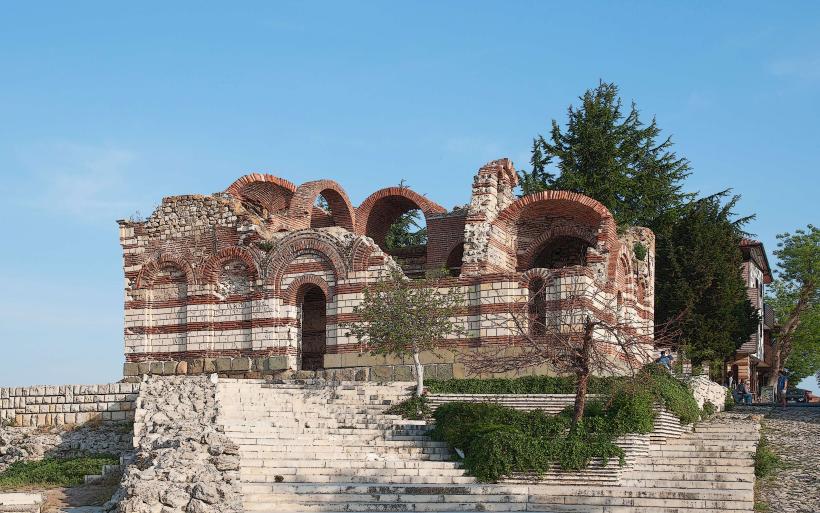
The original roof, likely a dome or vaulted ceiling, is now lost, leaving the church roofless and partially ruined.
Decorative Elements
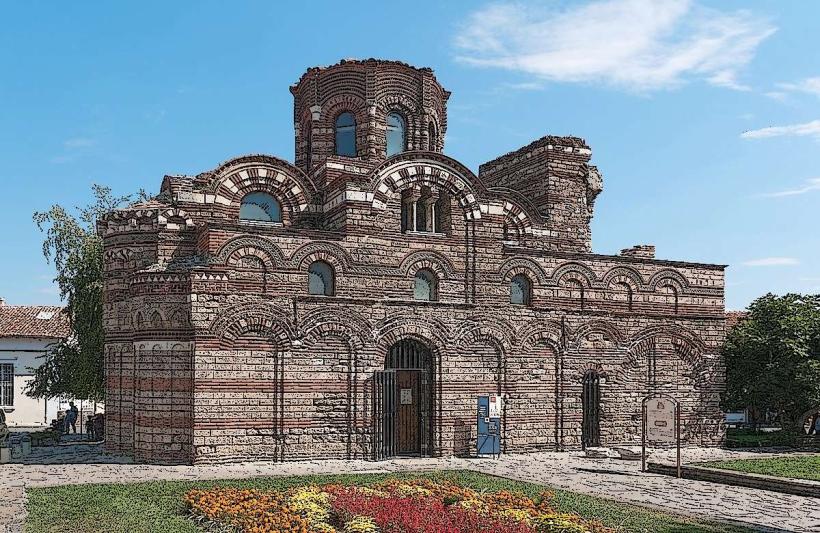
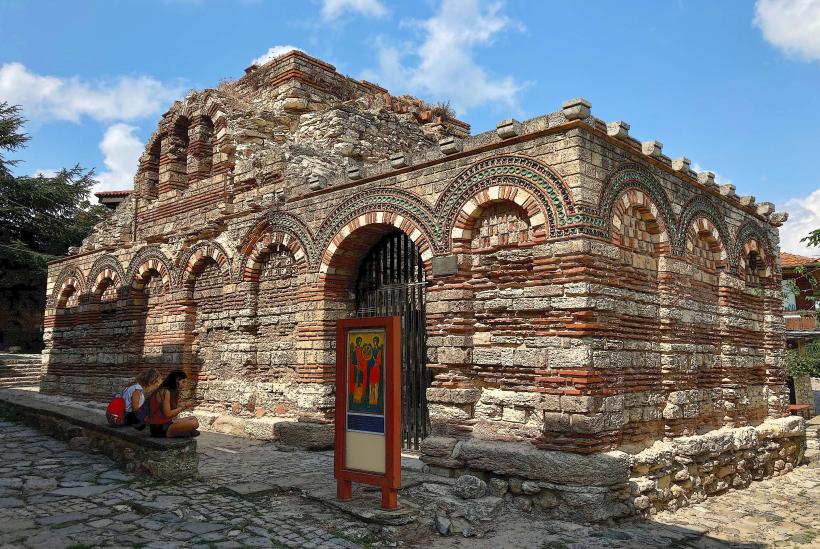
The most notable feature is the rich external decoration, particularly on the western and northern façades.
Built using alternating rows of stone and red bricks, the church features:
Blind arcades and decorative niches
Ceramic discs and glazed terracotta inserts
Brick rosettes and ornamental zigzag patterns
The fine masonry and ornamental rhythm of the exterior place the Church of St. Paraskeva among the best-preserved and most artistically refined churches in Nessebar.
Interior
The interior is now open to the elements, as the upper parts of the structure have collapsed or decayed over time.
No significant frescoes survive inside, but it is likely that the church was once painted with religious scenes typical of Orthodox iconography.
The apse still shows the remnants of the altar space where the Divine Liturgy would have been conducted.
Religious Function
The Church of St. Paraskeva likely served as a neighborhood or family church, dedicated to local worship and smaller-scale community rituals.
St. Paraskeva, being a popular female saint, was often the patron of local women, healers, and ascetics.
It may have hosted feast day celebrations, healing rituals, and prayers for protection and fertility, especially around her feast on October 14.
Later History and Preservation
Like many of Nessebar’s churches, St. Paraskeva fell into disuse during the Ottoman period, especially from the 17th century onward.
In modern times, the structure has been stabilized and partially conserved, preserving much of its remarkable exterior decorative work.
It is no longer an active church but is accessible as a historic monument, part of Nessebar’s network of medieval ecclesiastical ruins.
Cultural and Artistic Value
The Church of St. Paraskeva is admired by historians and architects for its:
Refined brickwork and balanced proportions
Integration of decorative ceramics and masonry
Representation of the spiritual and cultural identity of medieval Nessebar
Though smaller than churches like St. Sophia or St. John Aliturgetos, it stands out for its delicacy and artistic sophistication.
Summary
The Church of St. Paraskeva is a jewel of medieval Bulgarian architecture, reflecting the spiritual devotion, aesthetic sense, and technical skill of the builders of Nessebar. Its connection to St. Paraskeva, a beloved Orthodox saint, and its beautifully ornamented exterior make it an essential part of the city’s rich ecclesiastical landscape. Even in partial ruin, it continues to inspire admiration and reverence as a testament to the enduring legacy of Eastern Orthodox culture on the Black Sea coast.