Information
Landmark: Col de la BotellaCity: La Massana
Country: Andorra
Continent: Europe
Col de la Botella, La Massana, Andorra, Europe
The Coll de la Botella is a high-mountain pass situated at an elevation of 2,069 meters in the La Massana parish of Andorra. It serves as a major geographical junction connecting the Pal and Arinsal sectors of the local ski resort and providing a gateway to the western border with Spain.
Visual Characteristics
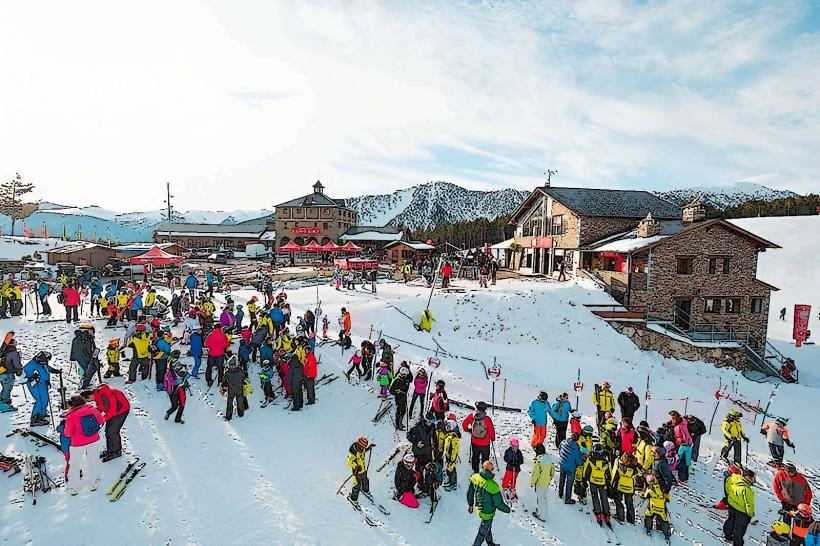
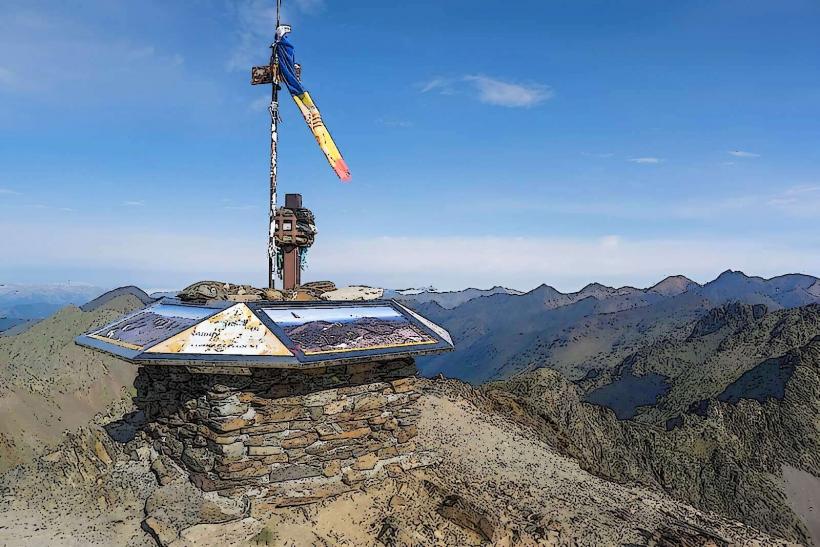
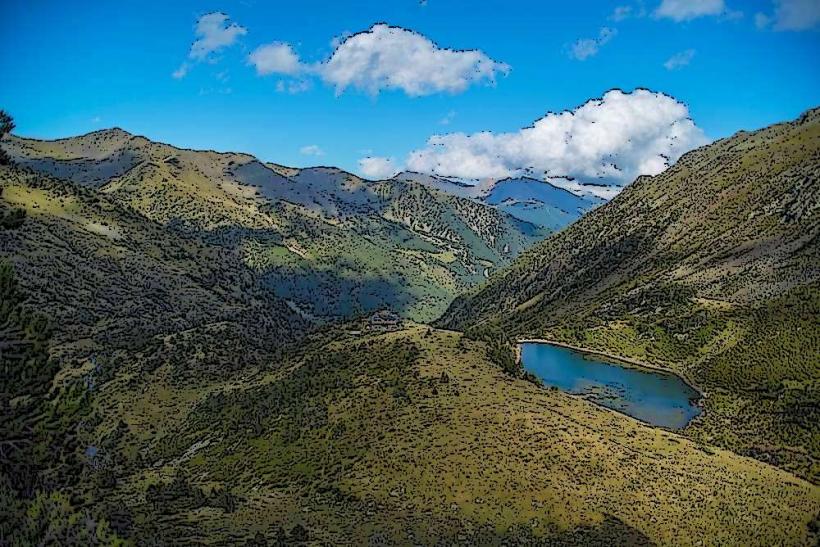
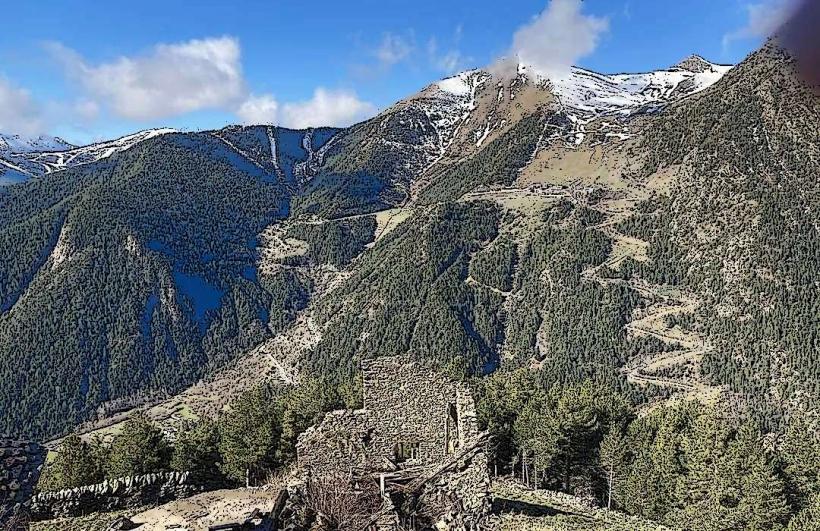
The site is a wide, exposed mountain saddle characterized by sweeping alpine meadows and jagged rock outcroppings. Vegetation consists primarily of high-altitude grasses and low-lying shrubs, with dense black pine forests beginning at lower elevations. The pass is dominated by the Setúria valley views and features several large-scale metal sculptures and modern resort infrastructure built from stone and wood.
Location & Access Logistics
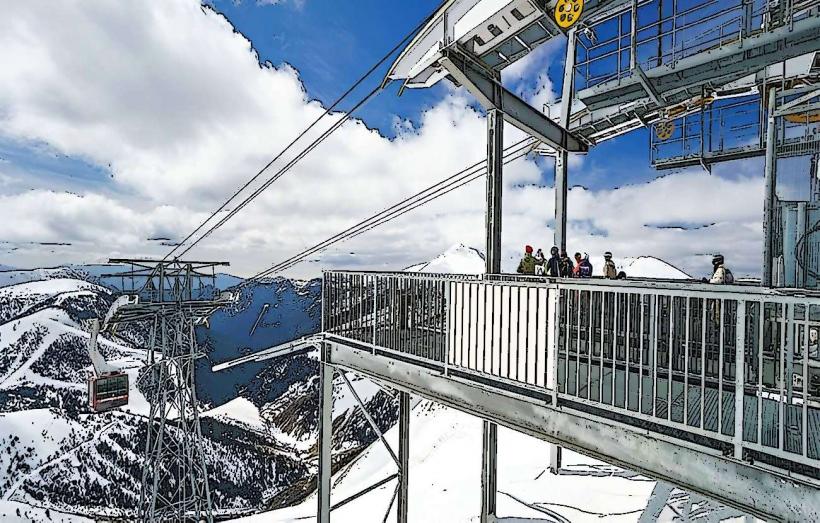
Access is via the CG-4 road, which winds upward from the village of Pal for approximately 4km. The pass is roughly 10km from the center of La Massana. A large, paved parking lot is situated at the summit. During the winter, it is accessible via the Pal-Arinsal cable car. There is no direct year-round bus service; visitors typically use private vehicles or resort shuttles.
Historical & Ecological Origin
The pass was formed through glacial and tectonic activity in the Pyrenees, situated on a bed of Paleozoic slates and schists. Historically, it was a vital transhumance route for local livestock and a strategic point for cross-border movement. It was integrated into the ski resort infrastructure in the late 20th century to link the Pal and Arinsal alpine sectors.
Key Highlights & Activities
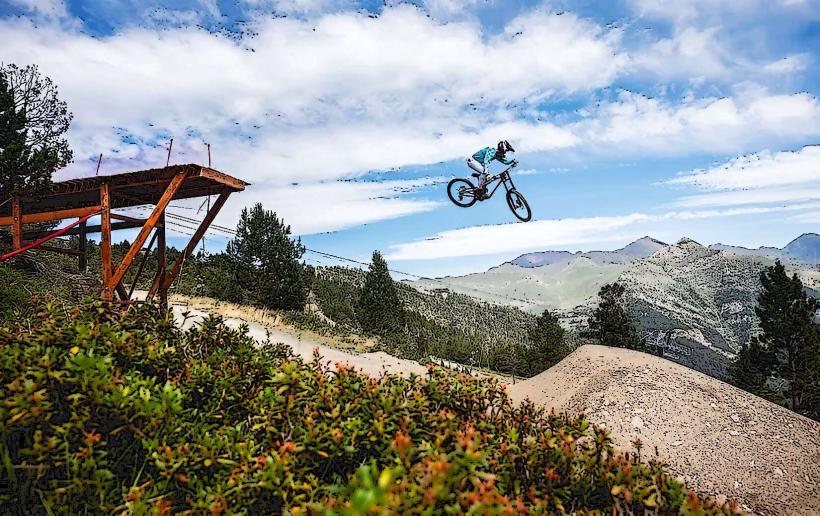
The pass is a primary hub for the Vallnord Bike Park, featuring several downhill and enduro trailheads. In winter, it functions as a transit point for skiers using the cable car. Hiking trails lead toward the Pic de l'Alt de la Capa and the Port de Cabús. The area is also a popular stop for road cyclists tackling the Category 1 climb from La Massana.
Infrastructure & Amenities
The Coll de la Botella building provides a restaurant, café, and public restrooms. There is a large outdoor terrace and a specialized bike wash station for summer use. 4G/5G mobile signal is strong and consistent across the pass. Emergency services and resort staff are stationed at the building during operating hours.
Best Time to Visit
For road cycling and hiking, the months of June through September are ideal. Photography is most effective at sunset, as the pass faces west toward the Spanish border, offering unobstructed views of the Comapedrosa massif. In winter, the pass is best visited during resort operating hours (09:00 to 17:00) to ensure road clearance and facility access.
Facts & Legends
The pass is home to the "Storm in a Teacup" (Tempesta en una tassa de te) sculpture by artist Dennis Oppenheim, a large-scale iron cup and saucer that has become a landmark for the area. Locally, the pass is known as a former smuggling route where goods were moved clandestinely between Andorra and the Spanish village of Tor via the nearby Port de Cabús.
Nearby Landmarks
Pal-Arinsal Cable Car – 0.1km West
Pic de l'Alt de la Capa – 1.5km North
Vallnord Bike Park – 0.2km East
Port de Cabús – 4.5km West
Setúria Valley Overlook – 0.3km West