Information
Landmark: Collezione Peggy GuggenheimCity: Venice
Country: Italy
Continent: Europe
Collezione Peggy Guggenheim, Venice, Italy, Europe
The Collezione Peggy Guggenheim is one of Europe’s finest museums of modern art, beautifully set on the Grand Canal in Venice. More than a gallery, it reflects the life, taste, and spirit of Peggy Guggenheim, the American art collector who championed avant-garde movements throughout the 20th century. The collection resides in her former home, the Palazzo Venier dei Leoni, an unfinished 18th-century palace that remains one of the most distinctive buildings in Venice.
History and Founding
Peggy Guggenheim (1898–1979), niece of mining magnate Solomon R. Guggenheim, began collecting art in Paris during the 1930s. Guided by leading artists and critics such as Marcel Duchamp and Herbert Read, she became one of the earliest supporters of Cubism, Surrealism, and Abstract Expressionism. After opening her first gallery in London, “Guggenheim Jeune,” and later her New York gallery “Art of This Century,” she settled in Venice in 1949. She purchased the Palazzo Venier dei Leoni, turning it into her residence and private gallery, where artists and intellectuals gathered over decades. Upon her death, the collection was bequeathed to the Solomon R. Guggenheim Foundation, ensuring its permanent home in Venice.
Architecture and Setting
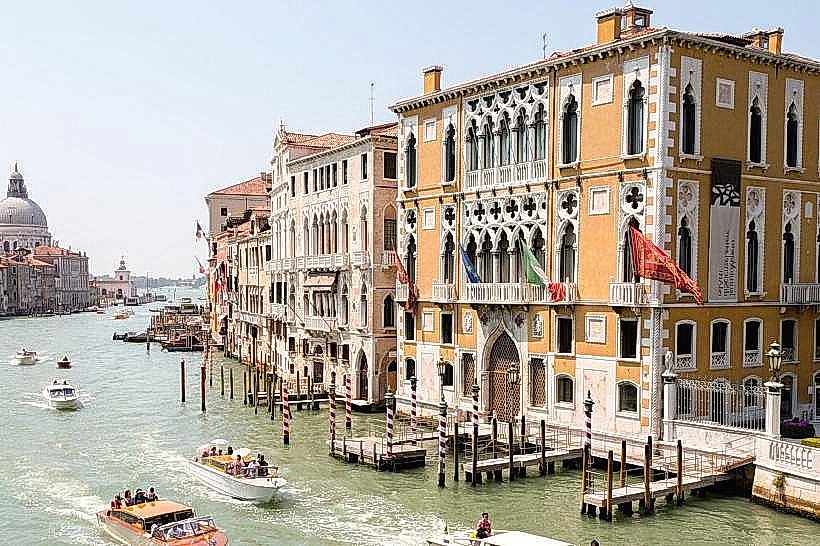
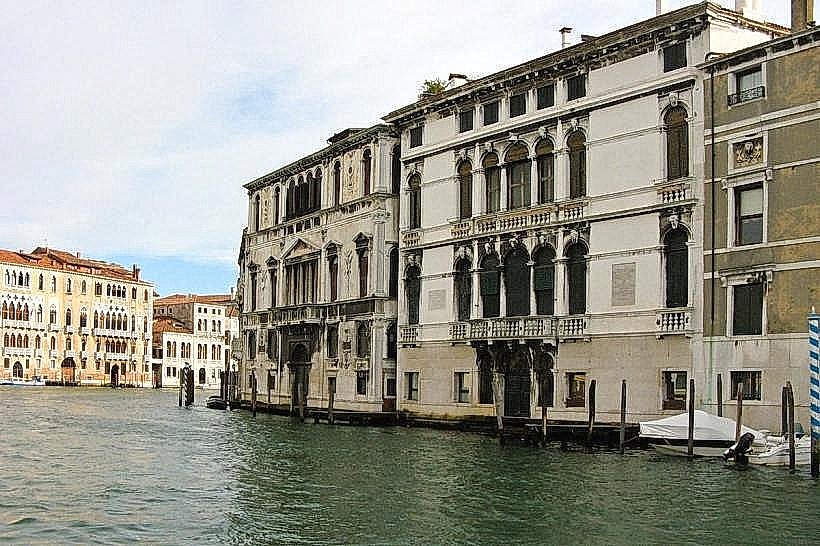
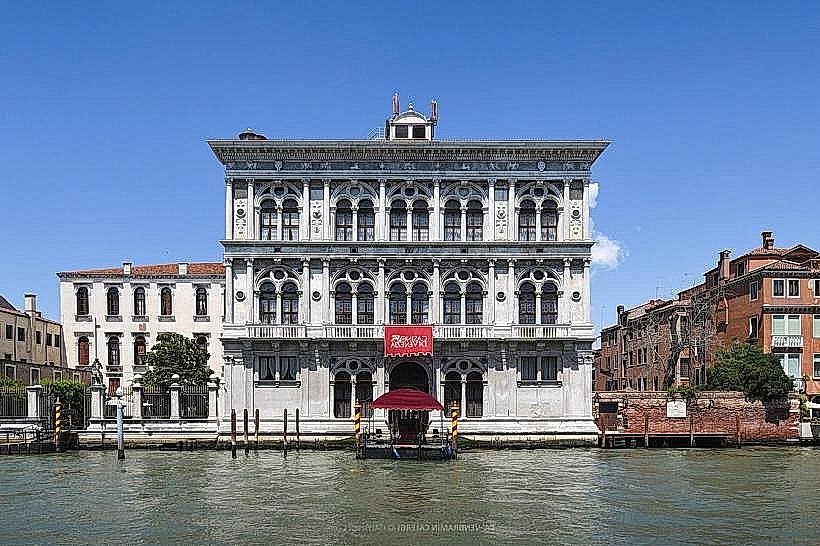
The Palazzo Venier dei Leoni stands low and wide along the Grand Canal, its incomplete façade of white Istrian stone giving it a serene, understated grace. From the garden terrace, the view opens to the slow movement of boats and gondolas, with the domes of Santa Maria della Salute gleaming nearby. Inside, rooms flow seamlessly between living space and gallery, maintaining the intimate atmosphere of Peggy’s private world.
The Collection
The museum holds a stunning overview of European and American modernism from the early to mid-20th century. The works are arranged chronologically and stylistically, reflecting Guggenheim’s personal taste and friendships with many of the artists.
Key highlights include:
Cubism and Futurism – Works by Pablo Picasso, Georges Braque, and Umberto Boccioni exploring the breakdown of form and motion.
Surrealism – Masterpieces by Salvador Dalí, Max Ernst (Peggy’s one-time husband), René Magritte, and Joan Miró, which evoke dreams, symbols, and the subconscious.
Abstract Expressionism – Iconic canvases by Jackson Pollock, whose career Peggy helped launch, alongside works by Mark Rothko, Clyfford Still, and Willem de Kooning.
Italian Modernism – Pieces by Giorgio Morandi, Lucio Fontana, and Gino Severini, offering a bridge between European abstraction and Venetian sensibility.
Smaller rooms display sculptures by Brancusi, Giacometti, and Arp, while the shaded garden hosts outdoor works by Henry Moore, Alexander Calder, and Barbara Hepworth.
Visitor Experience
Unlike many grand museums, the Guggenheim feels deeply personal. Visitors move through Peggy’s former living quarters, where her taste and eccentric personality remain palpable-her bedroom still holds paintings she slept beneath. The garden, filled with jasmine, marble, and quiet fountains, provides a contemplative space and houses Peggy’s own grave alongside those of her beloved dogs.
The museum regularly hosts temporary exhibitions, lectures, and collaborations with contemporary artists, continuing Peggy’s vision of supporting living creativity.
Atmosphere and Legacy
The Collezione Peggy Guggenheim embodies the meeting of modern art and Venetian timelessness. The play of sunlight across the canal, the reflection of color through glass, and the closeness of each artwork to everyday life create an almost domestic intimacy that few major museums can match.
Peggy Guggenheim’s legacy endures not only in her collection but in the spirit she brought to Venice-a sense that art should live, breathe, and belong to the world. The museum remains a tribute to her daring vision and to the extraordinary century that shaped it.