Information
Landmark: Confucius TempleCity: Nanjing
Country: China
Continent: Asia
Confucius Temple, Nanjing, China, Asia
Overview
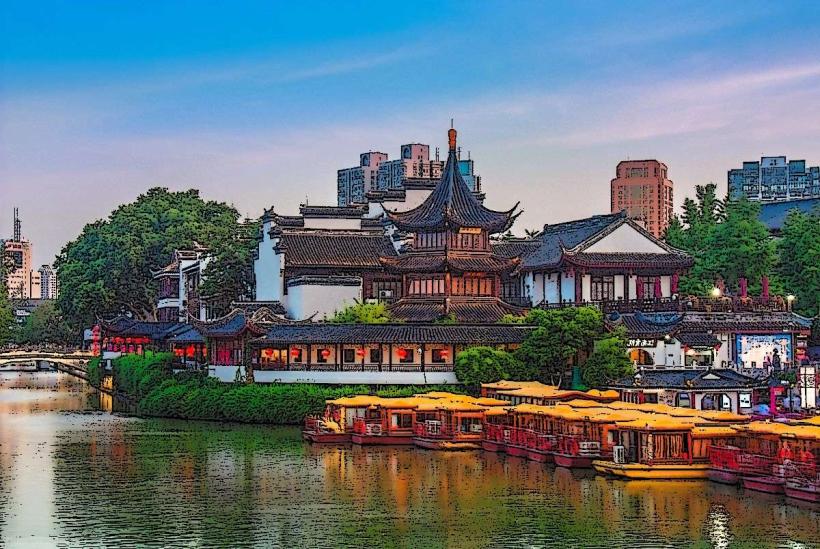
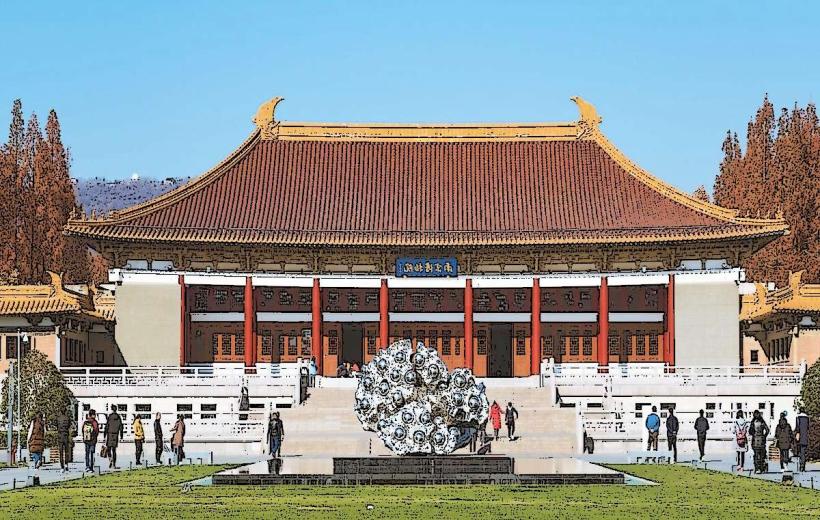
Mind you, Perched along the banks of the Qinhuai River, Nanjing’s Confucius Temple (孔庙, Kǒng Miào) stands as a treasured landmark rich in history and culture, also this temple honors Confucius, the great philosopher and teacher whose ideas still shape Chinese culture-like the quiet respect shown when students bow before his statue.This remarkably well-preserved Confucian temple stands among China’s most necessary, its quiet courtyards and carved stone pillars reflecting the deep respect for Confucius and his teachings that still runs through Chinese life, likewise one.The Confucius Temple in Nanjing first rose during the Tang Dynasty (618–907), its wooden beams dim with age, and later saw grand reconstruction and expansion under the Ming Dynasty (1368–1644), equally important the building still shows the style of its time, with tall arched windows, though it’s been renovated more than once over the centuries.The temple wasn’t just for worship-it also bustled with Confucian study, where scholars pored over worn scrolls by lamplight, simultaneously nanjing’s Confucius Temple carries deep cultural and historical weight, built during one of the most politically charged and culturally vibrant eras in China’s past, when lanterns lit the streets and scholars debated into the night.It also shows how deeply Confucianism shaped government and education, especially in the Ming and Qing Dynasties, when scholars studied by lamplight to prepare for imperial exams, equally important number two.If I’m being honest, The Confucius Temple in Nanjing showcases classic Chinese temple design, with graceful pavilions, quiet courtyards, ornate gates, and stone statues worn smooth by centuries of touch, meanwhile it stands as a sign of the deep respect the Chinese people hold for Confucius and his teachings, much like the quiet bow of a visitor before his statue.Entrance and Gates: A towering gate marks the temple’s main entrance, known as the “Fengmen,” or “Gate of the Phoenix,” its carved beams a familiar sight in Confucian temples, therefore intricate carvings twist through the wood, and every decoration carries a quiet, deliberate meaning.Inside, you’ll find several courtyards, each carrying its own meaning-one might echo with the splash of a slight stone fountain, moreover at the heart of the temple stands the Hall of Confucius (大成殿, Dàchéng Diàn), a grand, echoing space where incense drifts through the air and the great teacher is honored.Inside, a statue of Confucius stands at its heart, making it the clear center of the temple complex, therefore the hall follows traditional Chinese design, with dusky wooden beams, luminous painted roofs, and statues of Confucian scholars and their students.Qufu Pavilion: Inside the temple stands the Qufu Pavilion (曲阜阁), named for Qufu, the city where Confucius was born, what’s more inside the pavilion, shelves hold worn Confucian texts alongside relics tied to the life of Confucius.Stone tablets line the temple walls, their surfaces etched with Confucian writings and historical records, some worn smooth by centuries since the Ming Dynasty, simultaneously they raised these tablets to honor Confucius, whose teachings still shape Chinese schools and the laws that guide its people.Confucian Stelae: Scattered across the temple grounds stand tall stone slabs etched with Confucian teachings and the names of imperial scholars who once conquered the grueling Imperial Examinations, likewise you’ll often find these stelae standing just outside the temple’s halls, catching light in the open courtyards.Number three, besides the temple sits in a picturesque spot by the Qinhuai River, once the lively heart of Nanjing’s culture, where lanterns once flickered on the water at night.Traditional Chinese-style buildings and quiet gardens line the river, their red eaves and stone paths wrapping the Confucius Temple in a calm, timeless air, and confucius Temple Area (Fuzimiao): The lively streets around the temple, known as Fuzimiao (夫子庙), bustle with shops and food stalls, yet still hold the warm, timeworn charm they've carried for centuries.This part of the city is famous for its centuries-classical buildings, bustling little shops, and quiet tea houses, where you can sip fragrant jasmine tea and sample Nanjing’s favorite street snacks while soaking up traditional Chinese culture, meanwhile nearby Attractions: The Qinhuai River Scenic Area draws crowds with its stone arch bridges, quiet traditional gardens, and boat rides that glide past willow-lined banks, offering a taste of both history and natural beauty.Number four, meanwhile confucius (551–479 BCE) stands among China’s most influential philosophers, his ideas still echoing like a teacher’s voice in a quiet courtyard.As you can see, Most of what we learn of his teachings comes from the *Analects of Confucius*, where he stressed virtues like honoring one’s parents, showing respect for elders, valuing education, and living with integrity, as well as his ideas shaped Chinese philosophy and left their mark on the cultural fabric of East Asia, from the brushstrokes of calligraphy to the cadence of ancient poetry.Temple as a Center of Learning: In the Ming Dynasty, the Confucius Temple thrived as a hub of Confucian study, where students came to honor the sage and pore over his teachings beneath carved wooden beams scented with incense, to boot the temple was central to nurturing the Confucian education system, the bedrock of China’s Imperial Examinations, where scholars once bent over bamboo scrolls by lamplight.Commemorative Ceremonies: Each year, the temple hosts ceremonies for Confucius, with unhurried drumbeats, murmured prayers, and offerings set gently before his altar to celebrate his teachings, then these ceremonies often feature classical music drifting through the air, lively dancing, and other time-honored Chinese performances.These events are woven into Nanjing’s cultural heritage and draw crowds from across China and far beyond, filling the streets with the hum of many languages, in addition five.At the Confucius Temple, visitors can wander through quiet halls, step into airy pavilions, and stroll past gardens scented with pine and incense, likewise many wander through the courtyards, pausing under the shade of classical pine trees to reflect on Confucius’ teachings and breathe in the quiet, still air.It seems, The Confucius Temple invites visitors to dive into Chinese philosophy, Confucianism, and centuries of history, with quiet courtyards where carved stone tablets whisper lessons from the past, simultaneously ancient texts, weathered stone stelae, and carved statues open a window into just how deeply Confucius shaped Chinese culture.To be honest, Shopping and Souvenirs: Around the temple, especially in the lively Fuzimiao district, you’ll find traditional Chinese shops selling souvenirs, calligraphy, paintings, and Confucian-themed trinkets, from silk fans to brush-and-ink sets, what’s more the district’s famous for its food, especially traditional Nanjing snacks-salty duck with crisp skin, plump dumplings, and an array of sweet treats.You know, Cultural Performances: On special days, the temple fills with the sound of drums and flutes as traditional shows and concerts unfold, giving visitors a vivid taste of Confucian artistry, alternatively number six.In conclusion, the Confucius Temple in Nanjing stands as a breathtaking symbol of China’s deep Confucian heritage, with its red pillars glowing in the late afternoon light, besides one of the nation’s most treasured temples, it invites visitors to step inside and feel the weight of Confucius’s cultural and intellectual legacy, like hearing the echo of centuries-aged footsteps in its stone halls.You might wander through the temple’s elegant arches, pause to absorb the wisdom of Confucian teachings, or just breathe in the quiet air drifting from the Qinhuai River-either way, the Confucius Temple is a must-view in Nanjing for anyone drawn to Chinese culture, philosophy, and history.
Author: Tourist Landmarks
Date: 2025-09-16