Information
Landmark: Convento da PenhaCity: Vitoria
Country: Brazil
Continent: South America
Convento da Penha, Vitoria, Brazil, South America
Overview
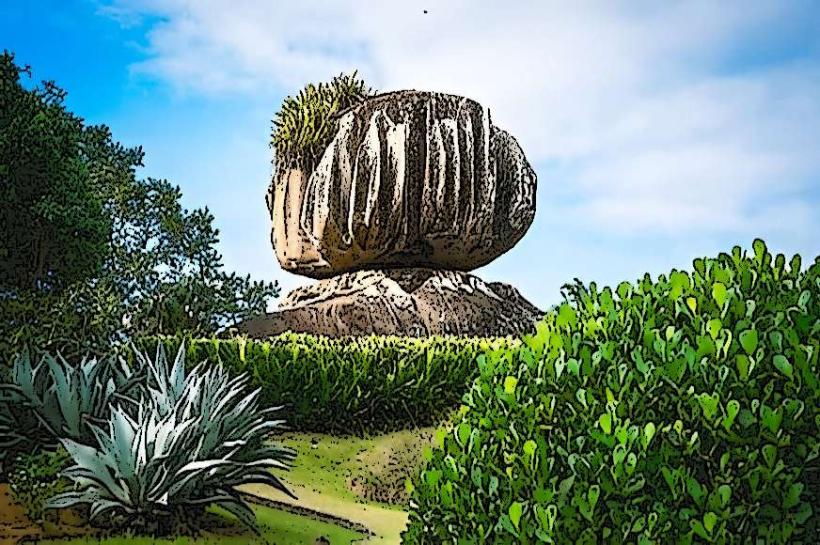
Oddly enough, Perched high above Vitória, the capital of Espírito Santo, Brazil, the Convento da Penha-also called the Convent of Our Lady of Penha-is a centuries-antique landmark and setting of worship, at the same time it’s one of the city’s most treasured landmarks, and for Catholics across the region, it draws pilgrims the way a bell calls worshippers to prayer, under certain circumstances Perched high on a hill, the convent looks out over the city and the glittering curve of the coastline, offering a view that stirs both the soul and the senses, as a result one.Back in 1558, Franciscan friar Pedro Palácios founded the Convento da Penha, its whitewashed walls still marking it as one of Espírito Santo’s oldest religious landmarks, and they built the convent to honor Our Lady of Penha (Nossa Senhora da Penha), a title for the Virgin Mary revered in many corners of the world, from quiet hillside chapels to bustling city shrines.This destination has long been a focal point for Catholic devotion, and every year it comes alive as the heart of the Penha Festival, drawing thousands of pilgrims who fill the streets with candlelight and song, while number two, somewhat Perched atop the rocky Morro da Penha, the Convento da Penha offers sweeping views of Vitória and its bay, where sunlight glints off the water below, moreover rising about 154 meters-roughly 505 feet-the hill lifts the convent high enough to command the valley below and still feel cloaked in quiet, sacred air.The convent’s architecture shows clear Baroque influences, the kind you often spot in Brazil’s colonial-era churches, with ornate curves and gilded details catching the light, alternatively inside the convent, the church showcases colonial-era beauty with carved wooden altars, rich Baroque paintings, and statues of saints and the Virgin Mary draped in gilded robes.The convent includes quiet cloisters, minute chapels, and a sunlit courtyard where visitors can pause for reflection and prayer, then three.The Convento da Penha draws pilgrims from across the region, especially Catholics, who climb its steep stone steps in devotion, besides each April, when the Penha Festival fills the air with bells and incense, thousands of pilgrims make their way to the convent to hear Mass, offer prayers, and join the solemn processions, in some ways The convent honors Our Lady of Penha, the patron saint of Espírito Santo, whose statue overlooks the town from its hilltop, as well as in the church, her image stands in a site of honor, and many believers trust the saint to speak for them when trouble comes.As far as I can tell, The Penha Festival ranks among Espírito Santo’s most vital religious celebrations, drawing crowds from nearby towns and far-off countries, their voices mingling in the warm evening air, simultaneously pilgrims often make their way up the worn stone steps to the convent, each footfall a quiet act of penance or devotion.Number four stood out in bold black ink, sharp against the white page, alternatively perched high on Morro da Penha, the convent enjoys a prime spot with sweeping views of the city, the glittering bay, and the rolling hills beyond.Interestingly, From the lookout, visitors take in a sweeping view-Vitória’s skyline, the sandy stretch of Vila Velha, and ships gliding in and out of the Port of Vitória, in turn you can climb the hill on foot along a steep, winding path, or ride the cable car, which glides smoothly up to the convent with sweeping views of the valley.Number five, while the Convento da Penha still hums with faith, holding daily Mass and other sacred rituals, the scent of incense drifting through its stone halls, perhaps It’s a quiet locale for spiritual reflection, where visitors can pause, breathe, and feel a calm settle over them, therefore the convent keeps a tradition of pilgrimages, with groups walking mile after mile to reach the gates, their footsteps steady in an act of faith.People view the climb to the top as both a test of the body and a journey for the soul, like feeling your legs burn while the wind carries the scent of pine, equally important pilgrims often join in special rituals and prayers, sometimes pausing to light a candle before the statue of Our Lady of Penha, the warm wax scent in the air as they quietly ask for her blessing or intercession.Number six, also the Penha Festival, held each year at the convent to honor Our Lady of Penha, is its biggest and most cherished celebration, filling the courtyard with music and luminous banners.It usually happens during Holy Week or near April 26, the feast day honoring the saint, as well as during the festival, the convent holds Masses, processions, and other religious gatherings, ending with a grand outdoor service where thousands pack the square under fluttering banners.The festival brings the community together to celebrate their faith, filling the air with music, the scent of spiced food, and the hum of laughter, while carrying deep cultural and social meaning, then seven.Tourism and Visitor Experience: Convento da Penha isn’t just a area of worship-it draws visitors from around the world, who climb its steep steps for the sweeping ocean views, in addition people visit for its rich history, its deep spiritual value, and the sweeping views of Vitória-rooftops glinting in the sun-and the lands beyond.The convent welcomes visitors all year, inviting them to wander its quiet halls, admire the stone arches glowing in the afternoon sun, and uncover the stories that shaped its past, not only that that steep saunter up to the convent is a large part of the experience, with the sound of your footsteps echoing on the stone path.Whether you’re a pilgrim or a tourist, you can hike the stone steps up the hill or ride the cable car, watching the rooftops shrink and the horizon open wide as you climb, as well as eight sat there, a miniature curve of ink on the page, neat and unshaken.Access and Transportation: You can reach the convent from Vitória in no time, with taxis waiting at the curb and buses rumbling by every few minutes, and a cable car carries visitors from the foot of the hill to the convent, gliding smoothly above the trees for those who’d rather skip the steep climb.You can also wander through nearby Vila Velha, where ancient stone walls meet lush trails, offering plenty of history and natural beauty for a full day’s exploring, not only that nine.The Convento da Penha stands as one of Espírito Santo’s most cherished landmarks, its white walls perched high on a granite hill and steeped in centuries of spiritual tradition, on top of that steeped in history, graced with ornate stone facades, and offering sweeping views that catch the light at dusk, it draws visitors seeking Catholic heritage, Brazil’s past, and the richness of its culture.Whether you come for its centuries-classical chapel, the sweeping view of the coastline, or the deep sense of history in its stone walls, Convento da Penha welcomes you with a calm that lingers long after you leave.
Author: Tourist Landmarks
Date: 2025-09-17