Information
Landmark: Curepipe Botanic GardensCity: Curepipe
Country: Mauritius
Continent: Africa
Curepipe Botanic Gardens, Curepipe, Mauritius, Africa
The Curepipe Botanical Garden, established in 1870, is the second-largest botanical garden in Mauritius. It is situated in the humid, high-altitude central plateau, specializing in plants that thrive in cooler, wetter conditions compared to the Pamplemousses Botanical Garden.
Visual Characteristics
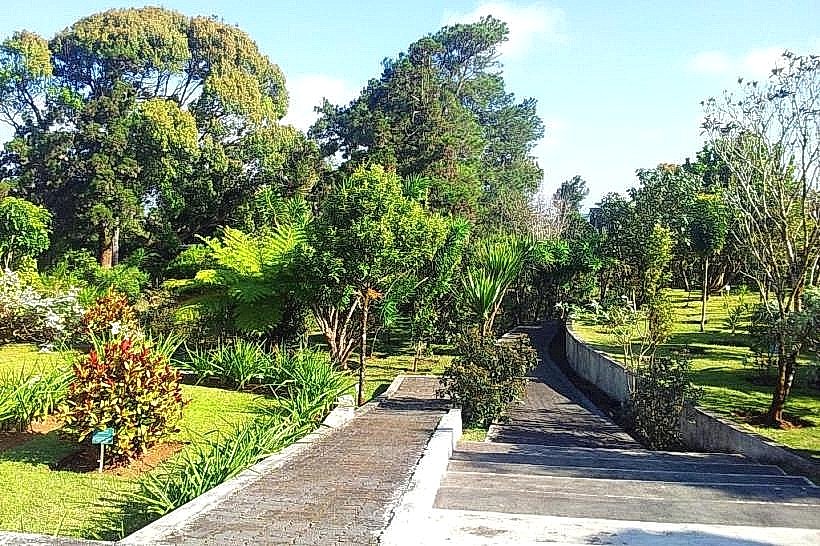
The garden is characterized by its lush, green landscape, featuring a mix of formal flower beds, sprawling lawns, and dense clusters of exotic and indigenous trees. A highlight is the central river, the Rivière Sèche, which meanders through the grounds. The design includes wide, shaded avenues lined with palms and towering conifers, along with a Victorian-style bandstand and several ornamental ponds.
Location & Access Logistics
The garden is located in the western part of Curepipe, off Botanical Garden Street.
Distance: Approximately 2 km from the Curepipe town center and the Jan Palach bus station.
Parking: A dedicated parking area is available at the main entrance.
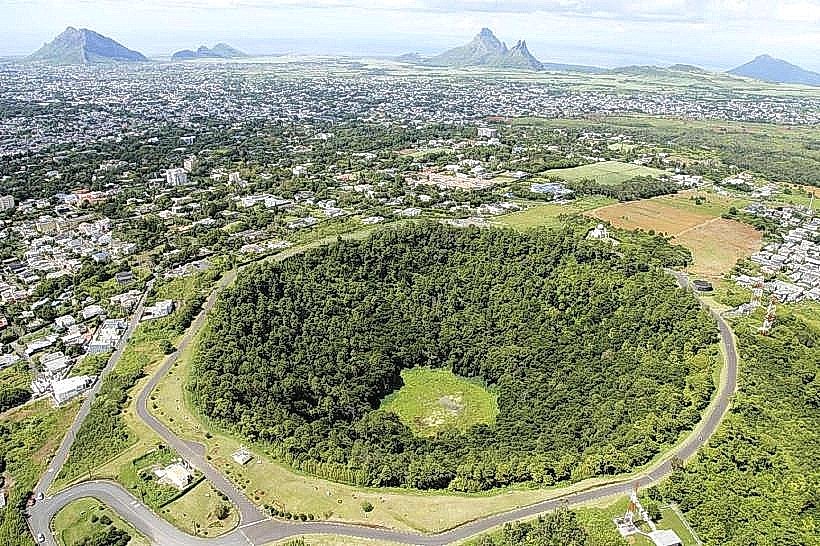
Transport: It is easily accessible by taxi or a short bus ride from the town center. It is within walking distance for those visiting the nearby Trou aux Cerfs Volcano (1.8 km).
Historical & Ecological Origin
The garden was created during the British colonial era to serve as a research and acclimatization site for plants suited to the cooler climate of the uplands. It is home to several rare and endangered species. A notable ecological feature is the unique specimen of the Hyophorbe amaricaulis (the loneliest palm), which is the last of its kind in the world and is located within the garden's nursery area.
Key Highlights & Activities
The garden is primarily used for leisurely walks, birdwatching, and nature photography. It features a wide variety of palms, ferns, and orchids. The Victorian bandstand is a popular spot for photography and occasional community events. The garden also serves as a recreational hub for locals, with many using the paths for morning exercises.
Infrastructure & Amenities
The site includes well-maintained gravel paths and several wooden benches for visitors. Basic public restrooms are available near the entrance. While there are no major restaurants inside the garden, small kiosks occasionally sell refreshments nearby, and the Curepipe town center offers numerous dining options. Cellular signal (4G/5G) is strong throughout the park.
Best Time to Visit
The garden is open daily from 08:00 to 17:00. The best time for a visit is in the morning to avoid the frequent afternoon rains characteristic of Curepipe. The cooler temperatures make it an ideal retreat during the peak summer months (December to March) when the coastal areas are significantly hotter.
Facts & Legends
A historical oddity of the garden is that it houses the rarest palm tree in the world, which has remained sterile for decades, meaning the species will likely go extinct when this single individual dies. Local residents often view the garden as a symbol of the town's colonial heritage and its distinct, temperate identity within the tropical island.
Nearby Landmarks
Trou aux Cerfs Volcano: 1.8km Northwest
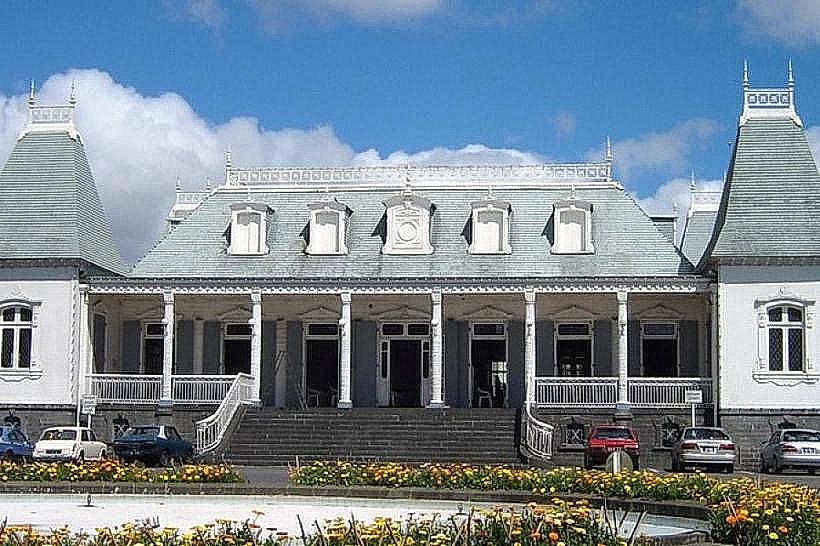
Curepipe Town Hall: 1.5km East
Carnegie Library: 1.4km East
Monvert Nature Walk: 4.5km West
Mare aux Vacoas: 8.5km Southwest