service

Cusco Cathedral | Cusco


Information

Landmark: Cusco Cathedral
City: Cusco
Country: Peru
Continent: South America

Cusco Cathedral, Cusco, Peru, South America

Overview

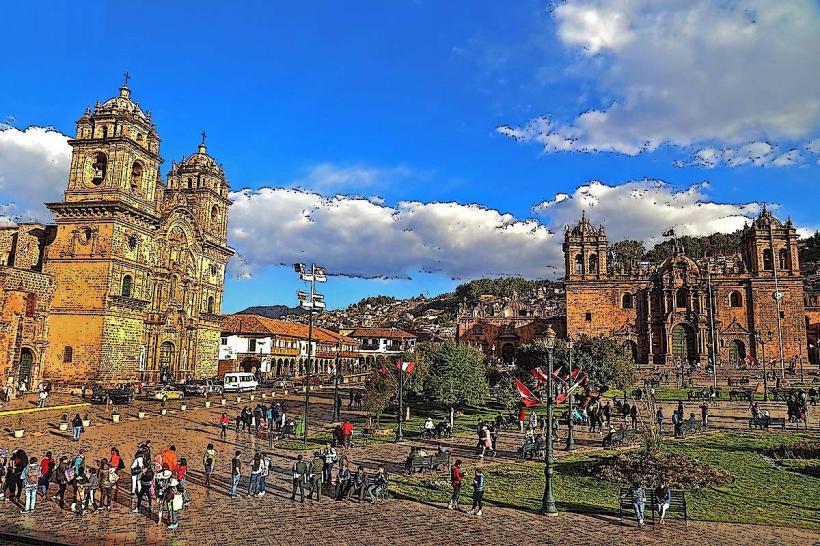
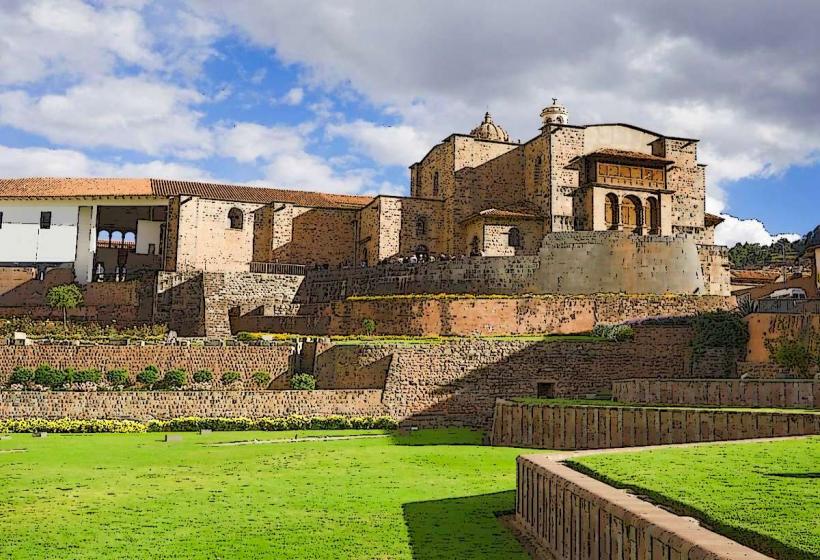
Rising above the Plaza de Armas, Cusco Cathedral-formally the Cathedral Basilica of the Assumption of the Virgin-stands as one of the city’s most treasured landmarks, along with in the heart of the Plaza de Armas, this towering cathedral stands as a striking symbol of the city, where carved stone walls reflect the meeting of Inca ingenuity and Spanish colonial grandeur.Interestingly, Many regard it as one of South America’s most fundamental colonial-era churches, its worn stone steps echoing centuries of footsteps, furthermore number one.Construction of the Cusco Cathedral began in 1559, its first stones set against the chill of the Andes, and the work stretched on for almost a hundred years before it finally stood complete in 1654, to boot the cathedral stands on the site of Qorikancha, the Temple of the Sun, once the Inca’s most sacred venue devoted to Inti, where golden walls once caught the morning light, to some extent By choosing this sacred ground for the cathedral, the Spanish sent a clear message: their rule was here to stay, and the Inca would be brought into the fold of Christianity, in conjunction with its stone walls rose as part of a larger push to stamp their power across the once-mighty empire.The church served not just as a locale to pray, but as a towering emblem of Catholic power in the Andes, its bells carrying across the rooftops, also in Cusco, the cathedral stands at the heart of the city’s faith and anchors the Archdiocese.The Cusco Cathedral hosts countless religious services, lively festivals, and major Catholic celebrations like Easter, when candles flicker in the cool air, and Christmas, consequently its soaring arches and intricate carvings blend Renaissance, Baroque, and Spanish colonial styles, a display of splendor that once proclaimed the Spanish crown’s wealth and power.Actually, The cathedral stands out for its blend of local materials, with walls of cool, weathered Inca stone, at the same time the cathedral’s Renaissance-style facade catches the eye with its carved stonework, where scrolling vines seem to curl beneath your fingertips.A wide central door stands between two smaller ones, while the stone facade bursts with carvings of saints and biblical scenes-a tapestry of Christian symbols etched deep into the grain, as well as the design weaves Inca traditions into colonial European styles, enriched by the bold spirit of the Andes.Inside, the Cusco Cathedral bursts with Baroque splendor-glittering gold leaf, towering altars, and carvings so intricate you could trace them for hours, as well as the cathedral is built in the classic Latin cross shape, with three sweeping naves, a grand main altar, and a handful of quiet chapels tucked along the sides.The cathedral brims with paintings, sculptures, and colonial-era religious art, and along its quiet aisles stand side altars honoring different saints, including one radiant with gold leaf, devoted to the Virgin of the Nativity, what’s more the altarpieces gleam with gold, many crafted by local artisans blending European methods with native designs; above, the cathedral’s vaulted ceilings are alive with intricate wooden carvings and painted panels, their colors deep as antique wine, while inside, the halls hold a vast trove of colonial-era paintings, sculptures, and golden treasures.Local artists, trained by Spanish masters, crafted many of the works, weaving in indigenous patterns and techniques-the luminous reds of Andean textiles set against the precise lines of European style, as well as the cathedral’s walls hold countless paintings-saints with solemn eyes, vivid Bible scenes, and intricate symbols rich with faith.Many of these works came from Cusco’s celebrated Cuzqueña School, where artists blended European religious scenes with indigenous traditions, along with the cathedral also holds striking sculptures-wooden saints and figures of Christ, some gleaming under gold leaf, others painted in vivid, time-worn colors, to some extent Local artisans created these sculptures, weaving Christian and Andean symbols into every curve and figure, alternatively inside the cathedral, the retablos-ornate altarpieces-gleam with gold leaf and fine carvings that catch the light.Gold leaf gleams in the cathedral’s details, a vivid reminder of the wealth the Spanish poured into the region during the colonial era, furthermore its most powerful Inca legacy lies in where it stands-on the very stone foundations of Qorikancha, the Temple of the Sun.The Qorikancha, gleaming once with walls lined in gold, stood as one of the Inca Empire’s most sacred temples, devoted to Inti, the Sun God, as well as much of the cathedral’s walls are built from stone taken straight from the original Inca structure, their smooth, tight-fitting blocks still catching the light.Honestly, This use of Inca stones and foundations stands as a clear symbol of how Christian and Inca cultures merged, in addition it reflects the Spanish conquest and the push to enforce Catholicism on the native people, even as traces of Andean traditions linger-like a woven pattern hidden in the corner of a blanket, almost The Cusco Cathedral, open to visitors by day, draws tourists who wander through its heavy wooden doors after strolling the Plaza de Armas, likewise visitors can admire the soaring arches, discover the site’s long history, and wander among its religious art and centuries-aged artifacts.The cathedral also hosts regular Mass and special celebrations, especially on major Catholic feast days, as a result the cathedral still serves as a living location of worship and a treasured spiritual center for Cusco’s people.Oddly enough, Visitors can join guided tours to explore its history, admire the gold-lined altars, and learn the stories behind its art and architecture, while guides often point out the meaning behind the Inca stonework, the colonial paintings, and how the two worlds merged in the cathedral’s design.The Cusco Cathedral isn’t just a setting of worship-it stands as a cultural emblem, linking the city’s Inca past as the empire’s capital with its pivotal role in the Spanish colonial era, equally important its architecture and artwork weave Christian and Andean elements together, creating a vivid symbol of Peruvian identity and the region’s layered history of colonization and cultural exchange, like a stone facade carved with both crosses and sun motifs.Seven, consequently the Cusco Cathedral stands as a vivid reminder of the city’s colonial past, its Spanish Baroque towers rising over stone walls shaped by Inca hands.With its treasure-filled art rooms, deep spiritual roots, and stunning stonework that catches the afternoon light, it stands as one of Cusco’s most crucial landmarks and a must-witness for anyone eager to explore the city’s rich cultural and historical heritage, besides whether it’s the gleam of gold-leaf altars, the pull of centuries-timeworn history, or the blend of Incan and Spanish traditions, the Cusco Cathedral delivers an experience you won’t forget.
Author: Tourist Landmarks
Date: 2025-09-12


Location

Get Directions


Rate it

You can rate it if you like it


Share it

You can share it with your friends


Contact us

Inform us about text editing, incorrect photo or anything else

Contact us

Landmarks in Cusco

Tipón
Landmark

Tipón

Cusco | Peru
Pikillacta
Landmark

Pikillacta

Cusco | Peru
Calca
Landmark

Calca

Cusco | Peru
Plaza de Armas
Landmark

Plaza de Armas

Cusco | Peru
Qorikancha (Temple of the Sun)
Landmark
Sacsayhuamán
Landmark

Sacsayhuamán

Cusco | Peru
Tambomachay
Landmark

Tambomachay

Cusco | Peru
Puka Pukara
Landmark

Puka Pukara

Cusco | Peru
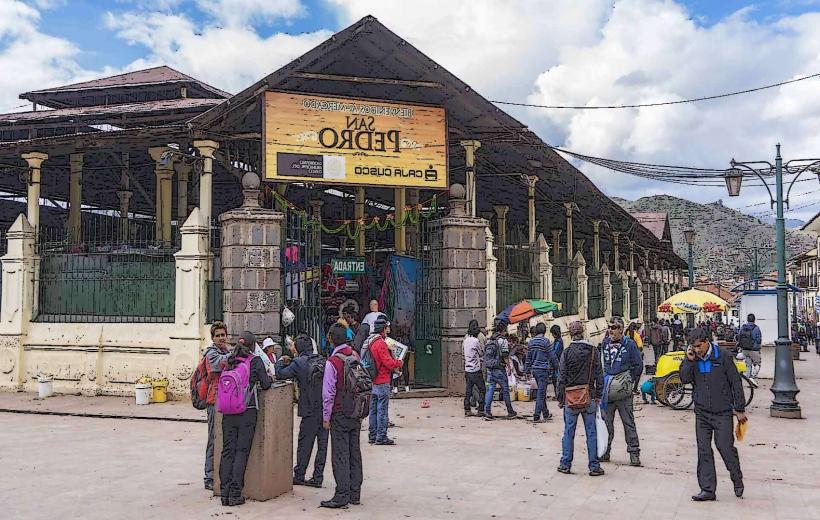
San Pedro Market
Landmark

San Pedro Market

Cusco | Peru
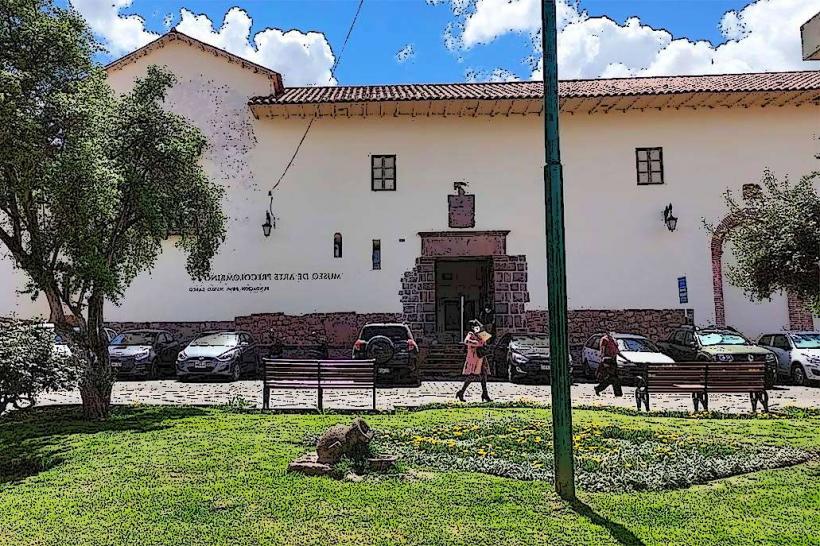
Museum of Pre-Columbian Art
Landmark
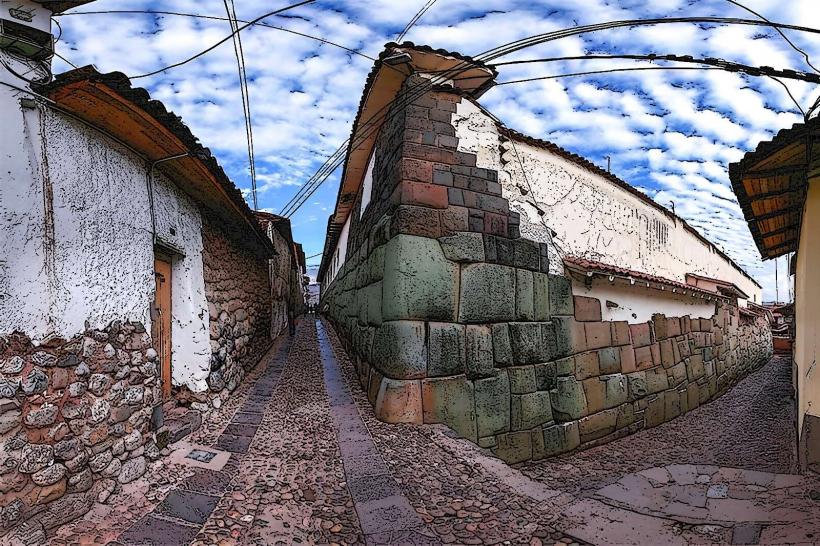
Twelve Angled Stone
Landmark

Twelve Angled Stone

Cusco | Peru
Inca Museum
Landmark

Inca Museum

Cusco | Peru


Latest Landmarks

Japoma Stadium

Douala | Cameroon

Garoua Mosque

Garoua | Cameroon

Mefou National Park

Yaounde | Cameroon

Bonanjo Waterfront

Douala | Cameroon

Tourist Landmarks ® All rights reserved