Information
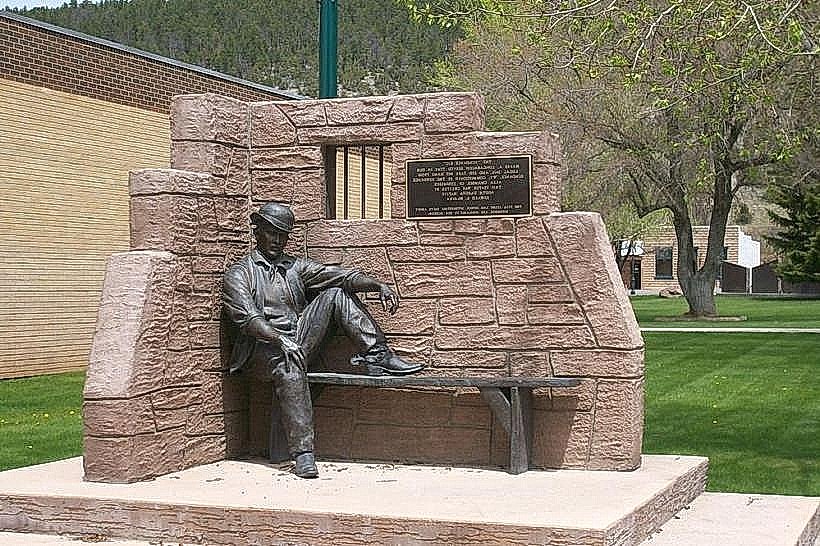
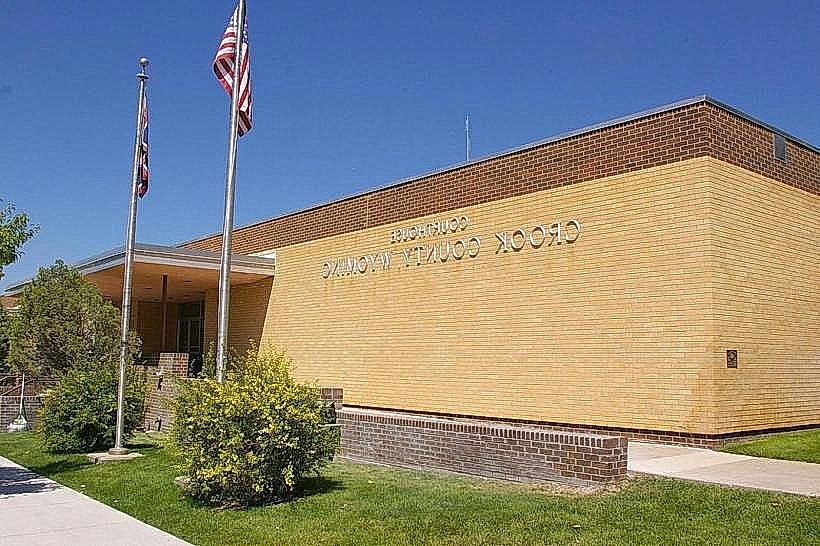
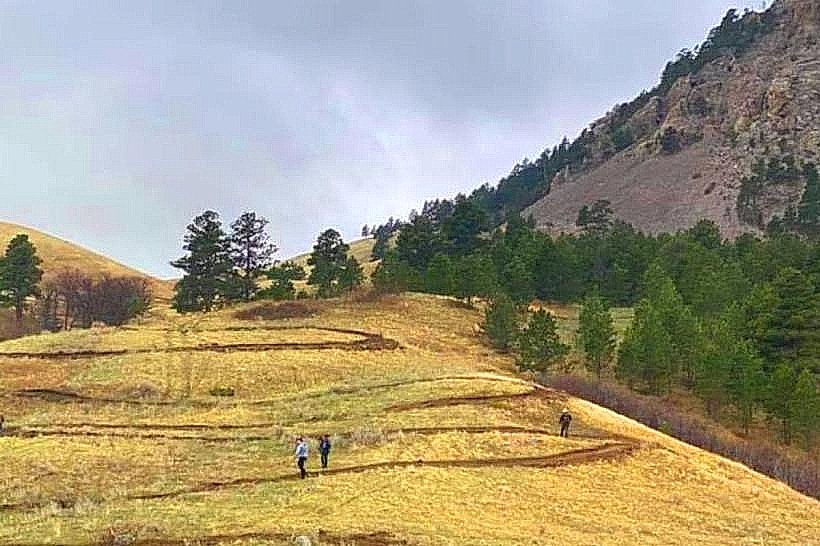
Landmark: Custer Battlefield Highway MarkerCity: Sundance
Country: USA Wyoming
Continent: North America
Custer Battlefield Highway Marker, Sundance, USA Wyoming, North America
Jerudong Park Playground is an amusement park located in Jerudong, near Bandar Seri Begawan, Brunei.
Visual Characteristics
The park features a variety of rides and attractions, including a large Ferris wheel, roller coasters, and water slides. The structures are primarily constructed from steel and concrete, painted in a range of bright colors. The grounds are landscaped with trees and paved walkways.
Location & Access Logistics
Jerudong Park Playground is situated approximately 15 kilometers west of Bandar Seri Begawan. Access is via the Muara-Tutong Highway. Ample parking is available on-site. Public transport options are limited; bus routes do not directly service the park entrance, requiring a taxi or private vehicle for most visitors.
Historical & Ecological Origin
The park was officially opened in 1994. It was conceived as a recreational facility for the public and a tourist attraction. The site is located on coastal land, with some areas potentially reclaimed.
Key Highlights & Activities
Activities include riding the Ferris wheel for panoramic views, experiencing the roller coaster, and utilizing the water park facilities during operational hours. The park also hosts occasional events and concerts.
Infrastructure & Amenities
Restrooms are available throughout the park. Shaded areas are provided by canopies and some covered seating. Cell phone signal (4G/5G) is generally reliable within the park. Food vendors and small eateries are located within the park grounds.
Best Time to Visit
The park is typically open in the late afternoon and evening. For photography, the hours around sunset offer diffused lighting. The best months for weather are generally from March to October, avoiding the heavier rainfall periods.
Facts & Legends
A local anecdote suggests that the park was built with significant investment to provide entertainment for the Sultan's family and guests, later opening to the public. Some older sections of the park have undergone renovations and updates over the years.
Nearby Landmarks
- Sultan Omar Ali Saifuddien Mosque (8km East)
- Royal Regalia Building (9km East)
- Tamu Kianggeh (10km East)
- Kampong Ayer Cultural & Tourism Gallery (11km East)