Information
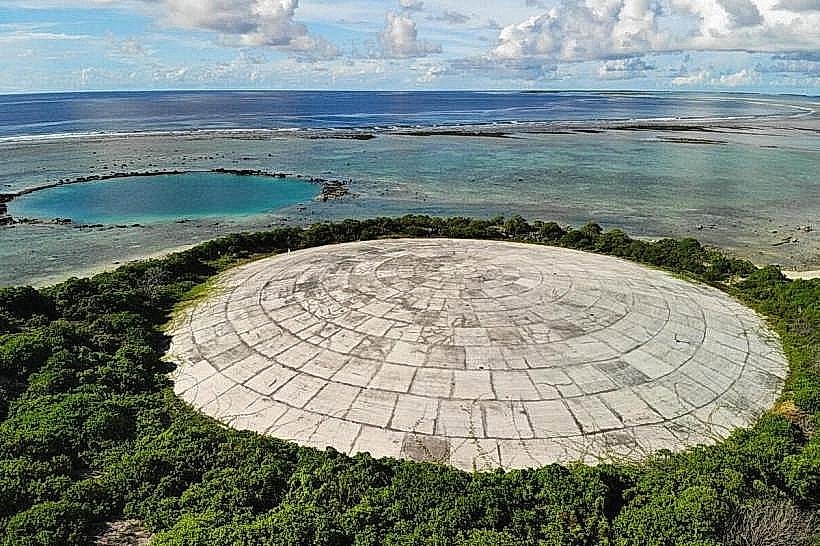
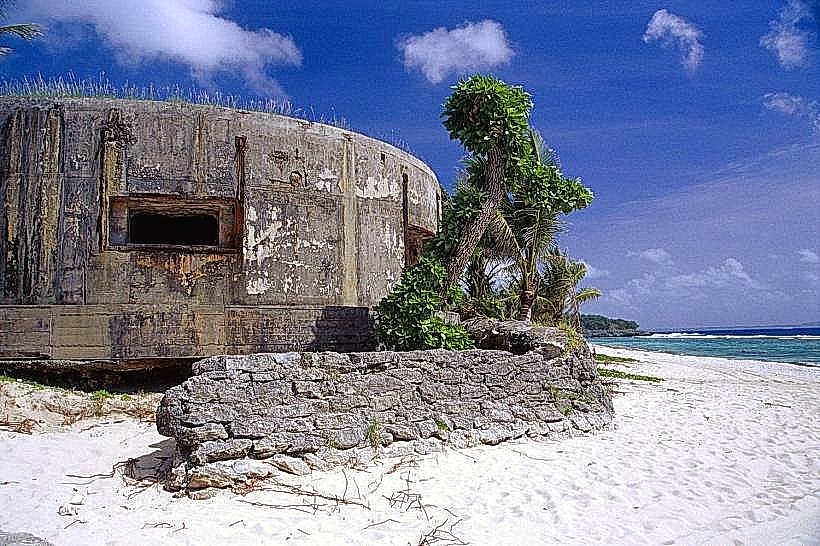
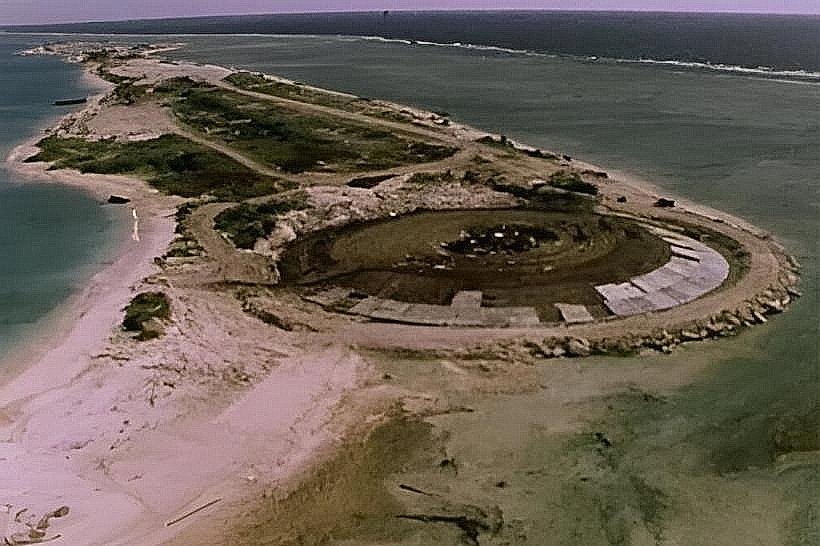
Landmark: Deep Lagoon Snorkeling AreasCity: Enewetak Atoll
Country: Marshall Islands
Continent: Australia
Deep Lagoon Snorkeling Areas, Enewetak Atoll, Marshall Islands, Australia
Sadarghat Riverfront is a major river port located on the Buriganga River in Dhaka, Bangladesh.
Visual Characteristics
The riverfront is characterized by a dense concentration of wooden country boats, larger ferries, and cargo vessels. The structures are primarily temporary jetties and loading platforms constructed from wood and metal. The water color is typically brown due to sediment. The surrounding area is densely populated with commercial buildings and informal settlements.
Location & Access Logistics
Sadarghat is situated in the southern part of Old Dhaka. It is approximately 5 kilometers south of the city center. Access is via numerous local roads, including Nawabpur Road and Sadarghat Road. Traffic congestion is a significant factor. Limited formal parking is available; vehicles often park along adjacent streets. Numerous local bus routes terminate or pass through the Sadarghat area. Rickshaws and auto-rickshaws are the primary modes of local transport to and from the riverfront.
Historical & Ecological Origin
Sadarghat has served as Dhaka's primary river port for centuries, evolving organically with the city's trade and transportation needs. Its origin is tied to the historical importance of riverine trade in Bengal. The Buriganga River itself is a distributary of the Ganges-Brahmaputra delta system, characterized by alluvial deposits.
Key Highlights & Activities
Observation of riverine traffic and port operations. Boarding ferries for inter-district travel. Purchasing local goods from vendors along the waterfront. Experiencing the high volume of pedestrian and vehicular movement.
Infrastructure & Amenities
Basic restroom facilities are available, often with limited maintenance. Shade is minimal, primarily provided by boat awnings and temporary structures. Cell phone signal (4G/5G) is generally available. Numerous small food stalls and tea vendors operate directly on the riverfront and in the immediate vicinity.
Best Time to Visit
The best time of day for observing peak activity is early morning (6:00 AM - 9:00 AM) and late afternoon (4:00 PM - 7:00 PM). The dry season, from November to March, offers more pleasant weather conditions. High tide can increase the number of operational boats.
Facts & Legends
Sadarghat is one of the busiest river ports in the world, handling an estimated 200,000 passengers daily during peak periods. A local anecdote suggests that the river's brown color is due to the sheer volume of soil carried by the water, a testament to the delta's dynamic nature.
Nearby Landmarks
- Lalbagh Fort (1.5km Northwest)
- Ahsan Manzil (Pink Palace) (0.8km North)
- Star Mosque (Baitul Mukarram Mosque) (3.0km North)
- Dhakeshwari Temple (2.5km Northwest)