Information
Landmark: Devil's BridgeCity: North Coast
Country: Antigua and Barbuda
Continent: North America
Devil's Bridge, North Coast, Antigua and Barbuda, North America
Devil's Bridge is a natural limestone arch located on the east coast of Antigua, near the village of Willikies. It is one of the island’s most famous geological features and a popular tourist attraction due to its dramatic appearance, rich history, and cultural significance. The bridge has become an iconic part of Antigua’s landscape, offering visitors a chance to witness the raw power of nature and the beauty of the island’s coastline.
Geological Formation
- Natural Bridge: Devil’s Bridge is a natural limestone arch that has been formed over thousands of years by the constant erosion of the island’s limestone cliffs due to the action of the sea. The powerful waves and winds of the Atlantic Ocean have carved out the arch, which is situated on a rocky shoreline. The unique formation of the bridge makes it a striking geological feature.
- Size and Structure: The bridge itself is a relatively large arch, extending over a section of the coastline where the waves crash violently against the rocks. The natural arch is a testament to the forces of nature, with the continuous erosion gradually shaping the limestone into the iconic formation seen today.
Location and Access
- Location: Devil’s Bridge is located in the northeastern part of Antigua, near the village of Willikies. It is part of the Indian Town Point, a rugged and rocky area of the island that is known for its dramatic coastal features. The site is easily accessible by car, and it is located near the Indian Town National Park, which is a protected area.
- Surrounding Area: The area around Devil’s Bridge is rocky, with strong waves crashing against the shore, making it a scenic and somewhat wild location. Visitors can walk along the rocky coastline, observe the natural arch from different angles, and enjoy the view of the Atlantic Ocean.
Historical and Cultural Significance
Name and Folklore: The name Devil’s Bridge is believed to have originated from the local folklore surrounding the site. One of the most popular legends suggests that the bridge was created by the Devil himself. According to the story, the Devil built the bridge as a trap for unsuspecting souls, and as a result, the site has earned its ominous name. The name also alludes to the treacherous waters and the violent waves that crash against the rocks, adding to the site’s sense of mystery.
Slavery History: Devil’s Bridge has also been tied to the history of slavery in Antigua. During the colonial period, enslaved Africans were brought to the island to work on sugar plantations. One story suggests that enslaved individuals used the area around Devil’s Bridge to escape, jumping into the sea to flee from their captors. Although the historical accuracy of this story is debated, it remains an important part of the site’s cultural heritage.
Myth and Legend: In addition to the story of the Devil, another local myth claims that the bridge is a place where people can make wishes or perform rituals to bring good luck. While these tales add to the intrigue of the site, they also highlight the deep cultural connection locals have with the area.
Natural Beauty and Attractions
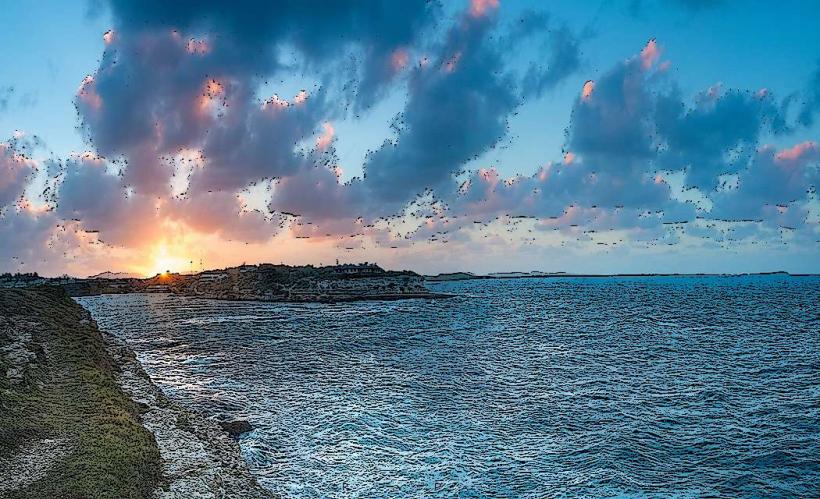
Scenic Views: Devil’s Bridge offers breathtaking views of the rugged coastline and the wild Atlantic Ocean. The combination of the natural arch and the crashing waves creates a dramatic and picturesque scene. Visitors can enjoy the beauty of the surrounding cliffs and the turquoise waters of the Caribbean.
Blowholes and Rock Pools: The area around Devil’s Bridge features blowholes-natural openings in the rocks where seawater is forced up into the air by the pressure of the waves. These blowholes create dramatic spouts of water that can be seen from the bridge itself. The surrounding area also has natural rock pools where visitors can explore and enjoy the rugged coastal environment.
Wildlife and Birdwatching: The coastline around Devil’s Bridge is home to various species of seabirds, making it an ideal location for birdwatching. Visitors may spot pelicans, herons, and other coastal birds soaring over the waters or resting on the rocks. The natural surroundings also support a variety of plant and animal life, adding to the ecological richness of the area.
Activities and Experiences
- Photography: Devil’s Bridge is a popular spot for photographers, thanks to its stunning views and dramatic landscapes. The natural arch, surrounded by the waves and rocky coastline, offers an excellent opportunity for landscape photography, especially during sunset when the lighting enhances the beauty of the scene.
- Sightseeing: Visitors to Devil’s Bridge can enjoy the site as part of a broader sightseeing trip around Antigua. It is often included in guided tours of the island’s natural landmarks, allowing visitors to learn about the history and geology of the area while enjoying the beauty of the coastline.
- Swimming and Exploring: While swimming directly at Devil’s Bridge is not recommended due to the strong waves and currents, visitors can explore the surrounding area. The nearby Long Bay Beach offers a more sheltered location for swimming and relaxing by the sea.
Preservation and Conservation
- Protected Area: The area around Devil’s Bridge is part of the Indian Town National Park, which is designated to protect the natural and cultural heritage of the site. Efforts have been made to preserve the integrity of the natural arch and the surrounding environment, while also allowing visitors to experience the beauty of the area.
- Ecotourism: Devil’s Bridge is also a popular spot for ecotourism, where visitors can appreciate both the natural beauty and the cultural history of Antigua. The site’s preservation is important not only for its geological significance but also for its role in local folklore and history.
In Summary
Devil’s Bridge is a striking natural limestone arch on the east coast of Antigua, known for its dramatic coastal views, fascinating history, and geological significance. With its association with local legends and historical ties to the island’s colonial past, Devil’s Bridge has become one of Antigua’s most iconic landmarks. Visitors to the site can enjoy scenic views, explore the surrounding coastal area, and learn about the history and folklore of the region. Its rugged beauty and cultural importance make Devil’s Bridge a must-visit destination for anyone interested in Antigua’s natural and historical heritage.