Information
Landmark: Dhadimagi KilhiCity: Fuvahmulah
Country: Maldives
Continent: Asia
Dhadimagi Kilhi, Fuvahmulah, Maldives, Asia
Dhadimagi Kilhi is one of the most notable freshwater lakes on Fuvahmulah-island_fuvahmulah" class="underline">Fuvahmulah Island in the Maldives. It is a unique natural feature that distinguishes the island from most others in the archipelago, which typically do not have large freshwater bodies. Here's a detailed look at Dhadimagi Kilhi:
1. Location and Significance
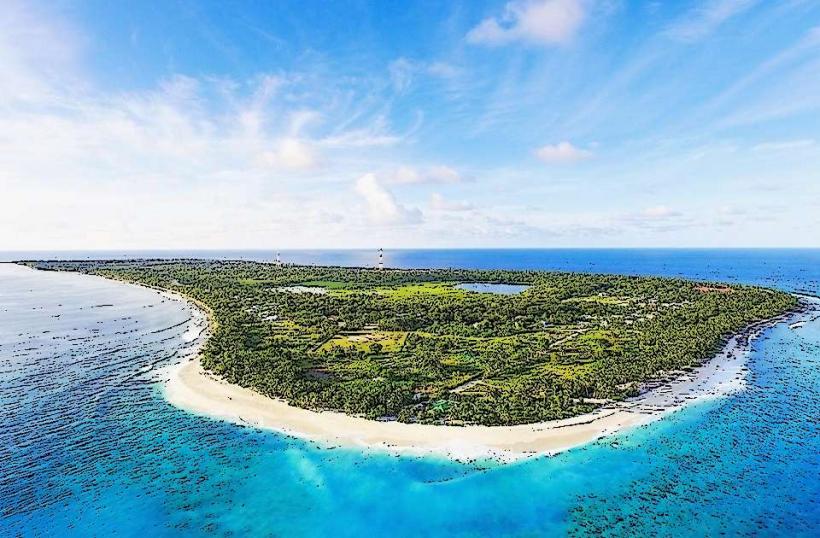
- Location: Dhadimagi Kilhi is located in the central part of Fuvahmulah Island, which is the largest and one of the few inhabited islands in the Fuvahmulah Atoll. The lake is surrounded by dense vegetation, contributing to its serene and peaceful atmosphere.
- Significance: The lake is one of the largest freshwater lakes in the Maldives and is one of the key natural attractions of Fuvahmulah. The presence of freshwater on the island is unique because most islands in the Maldives rely on rainwater or desalination for fresh water. Dhadimagi Kilhi, along with other smaller lakes on the island, serves as an important ecological feature for the island's flora and fauna.
2. Ecology and Biodiversity
- Wildlife: Dhadimagi Kilhi is an ecological haven for various species of wildlife. The lake and its surrounding wetlands are home to numerous species of birds, insects, and other wildlife, many of which are unique to Fuvahmulah.
- The area is particularly notable for birdwatching, as the lake provides an important stopover for migratory birds.
- The lake also attracts frogs, insects, and small reptiles that thrive in the freshwater environment.
- Flora: The area around Dhadimagi Kilhi is characterized by dense vegetation, including tropical plants and trees, which contribute to the island’s lush, rainforest-like landscape. The freshwater ecosystem supports a variety of plant species that are less common in the typically dry, saltwater-dominated ecosystems of other Maldivian islands.
3. Environmental Importance
- Freshwater Source: Dhadimagi Kilhi is important as a natural freshwater resource for the island. It provides water for the local community, contributing to the island’s sustainability. This makes it a rare and valuable ecological feature in the Maldives, where freshwater resources are generally scarce.
- Environmental Protection: The lake is part of the island's overall environmental conservation efforts, which aim to protect its biodiversity and natural resources. As part of the island’s eco-tourism initiatives, the local community and government work together to ensure the preservation of this important freshwater lake and its surrounding ecosystem.
4. Tourism and Accessibility
- Access: While the lake is located on Fuvahmulah Island, it is accessible to visitors who wish to explore the island’s natural beauty. It is a popular spot for nature lovers, bird watchers, and those looking for a peaceful retreat in the midst of lush greenery.
- Eco-Tourism: Dhadimagi Kilhi is part of eco-tourism tours on Fuvahmulah, which focus on sustainable travel practices while showcasing the island's unique biodiversity. Visitors can take a guided walk around the lake, where they can observe local wildlife, learn about the plant species that thrive there, and enjoy the tranquil environment.
- Photography: The lake provides excellent opportunities for photography, especially for capturing the local wildlife and the serene landscape of freshwater surrounded by tropical vegetation. It is also a great spot for anyone interested in landscape and nature photography.
5. Cultural and Spiritual Significance
- Cultural Importance: For the local population, Dhadimagi Kilhi holds cultural significance, as it has been part of the island’s landscape for generations. It is a place of natural beauty that residents value both for its ecological benefits and as part of their island's heritage.
- Spiritual Connection: In some cultures, freshwater bodies like lakes are often seen as sacred or spiritual places, and while there are no known religious sites directly associated with Dhadimagi Kilhi, its peaceful environment contributes to a sense of reverence and tranquility among the islanders.
6. Conservation Efforts
- Protection of Wetlands: As a critical component of the island’s ecosystem, Dhadimagi Kilhi is subject to ongoing conservation efforts. There are initiatives to protect the lake and its surrounding wetlands, ensuring that the area remains free from pollution and that local species continue to thrive.
- Sustainable Practices: The local government and eco-tourism providers encourage visitors to engage in sustainable practices when visiting the lake, such as avoiding littering, not disturbing the wildlife, and respecting the natural environment.
7. Best Time to Visit
- Birdwatching: The best time to visit Dhadimagi Kilhi for birdwatching is during the migratory season, which usually spans from November to April, when migratory birds are likely to stop by the lake.
- Climate: Fuvahmulah has a tropical climate with year-round warmth, making it a great destination to visit any time of the year, although it’s particularly popular during the dry season (November to April). The lake can be visited at any time, though it’s advisable to check the weather before planning a visit to avoid the rainy season (May to October), which may make certain areas more difficult to access.
8. Conclusion
Dhadimagi Kilhi is not just a freshwater lake; it’s a unique ecological feature that adds to the natural charm and biodiversity of Fuvahmulah Island. As the largest freshwater lake in the Maldives, it plays an essential role in the local ecosystem and supports a variety of plant and animal species. For visitors, it offers a chance to experience nature in one of its purest forms, providing opportunities for birdwatching, eco-tourism, and a peaceful retreat in the midst of lush greenery. Whether you are a nature lover, a photographer, or a traveler seeking tranquility, Dhadimagi Kilhi is a must-see destination on Fuvahmulah.