Information
Landmark: Fuvahmulah IslandCity: Fuvahmulah
Country: Maldives
Continent: Asia
Fuvahmulah Island, Fuvahmulah, Maldives, Asia
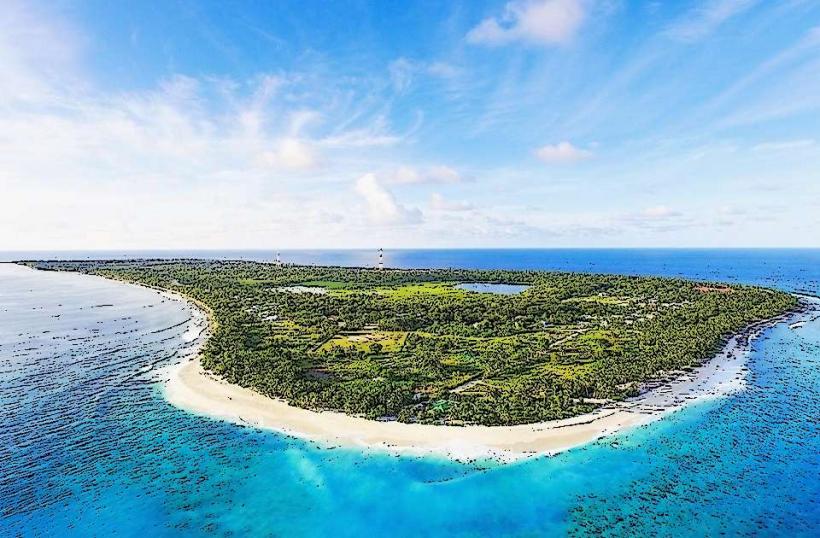
Fuvahmulah Island is a unique and fascinating destination in the Maldives, known for its distinctive characteristics that set it apart from other islands in the archipelago. Unlike most atolls, which are made up of multiple islands, Fuvahmulah is a single large island surrounded by a single coral reef. This makes it one of the most unique geographical locations in the Maldives. Here is a detailed look at Fuvahmulah Island:
1. Geography and Location
- Location: Fuvahmulah is located in the southernmost part of the Maldives, approximately 500 kilometers south of the capital, Malé. It is the largest island in the Fuvahmulah Atoll, which is unique because it comprises only a single island, unlike other atolls in the Maldives that consist of numerous islands.
- Size: The island spans an area of around 4.5 square kilometers and is notable for its lush vegetation and diverse ecosystems. Fuvahmulah stands out for its elevation, being one of the few islands in the Maldives with a significant amount of landmass above sea level.
2. Natural Beauty and Landscape
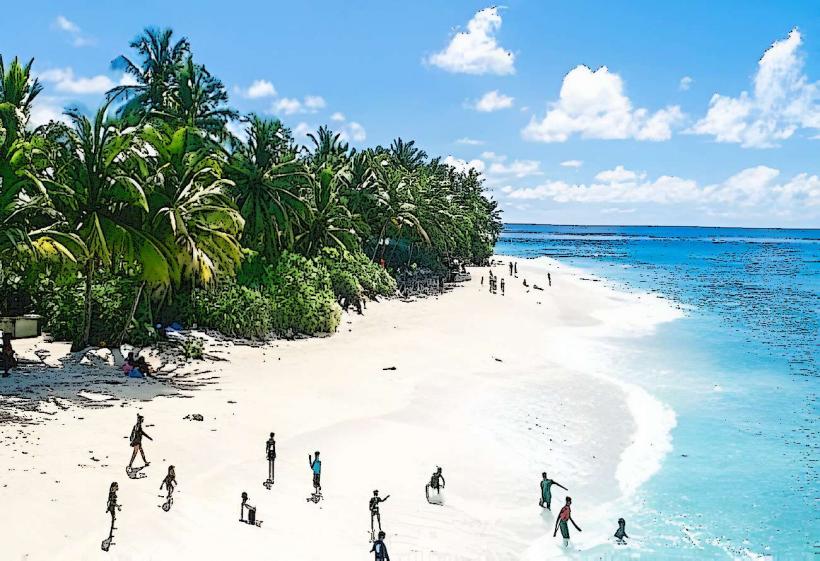
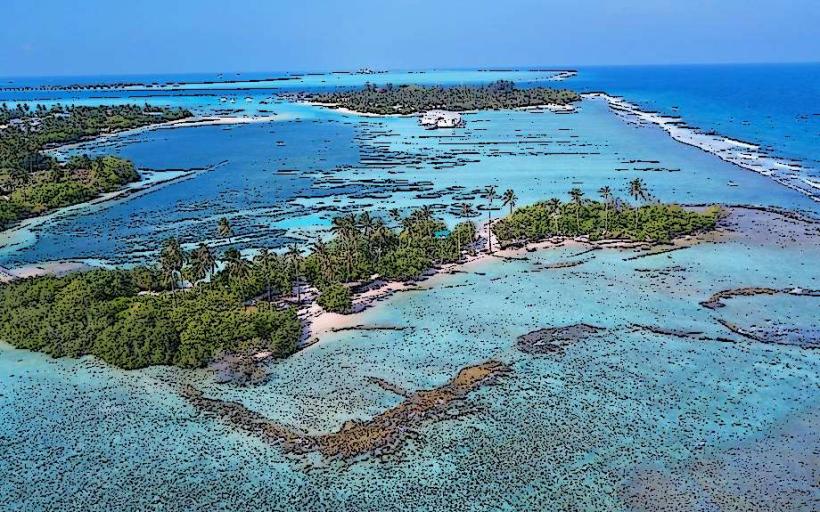
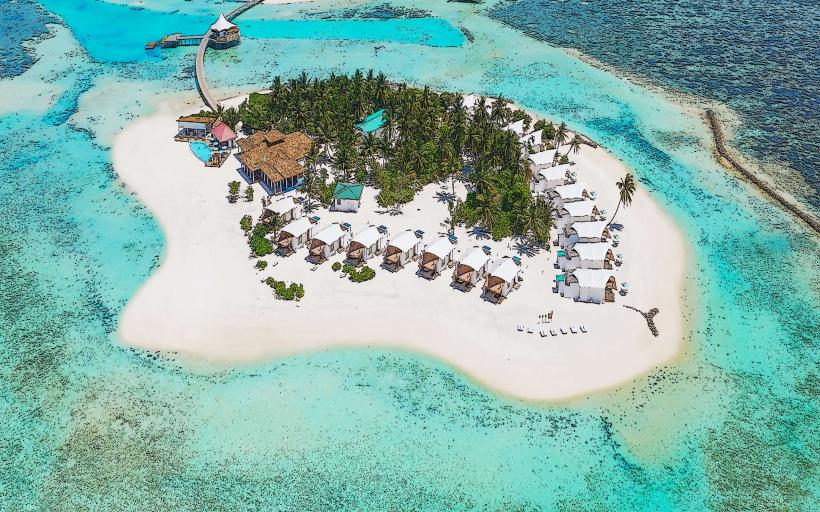
- Beaches: The island boasts a variety of beautiful beaches, from sandy shores to rocky coastlines. The white sandy beaches are ideal for sunbathing and beach walks, offering scenic views of the clear, turquoise waters surrounding the island.
- Lush Vegetation: Fuvahmulah is known for its abundant vegetation, which is unusual in the Maldives. It has a tropical rainforest-like environment with dense jungle, which is home to a variety of plant and animal species not commonly found on other Maldivian islands.
- Freshwater Lakes: One of Fuvahmulah’s unique features is its freshwater lakes, particularly the Dhadimagi Kilhi lake, which is the largest freshwater body in the Maldives. These lakes provide a unique ecosystem that supports diverse bird species and wildlife.
3. Diving and Marine Life
- Diving Paradise: Fuvahmulah is renowned for its exceptional diving opportunities, attracting divers from around the world. The waters surrounding the island are home to diverse marine life, including rare species such as the oceanic whitetip shark and whale sharks.
- Marine Biodiversity: Fuvahmulah’s marine environment is especially rich, with its waters home to species such as manta rays, turtles, dolphins, tropical fish, and even the occasional sperm whale. The island is known as a top diving destination for seeing large marine species up close.
- Diving Sites: Some of the popular dive sites around Fuvahmulah include:
- Tiger Reef: Known for sightings of oceanic whitetip sharks.
- Whale Shark Reef: An ideal spot for observing whale sharks, particularly during certain seasons.
- Manta Reef: Famous for large numbers of manta rays.
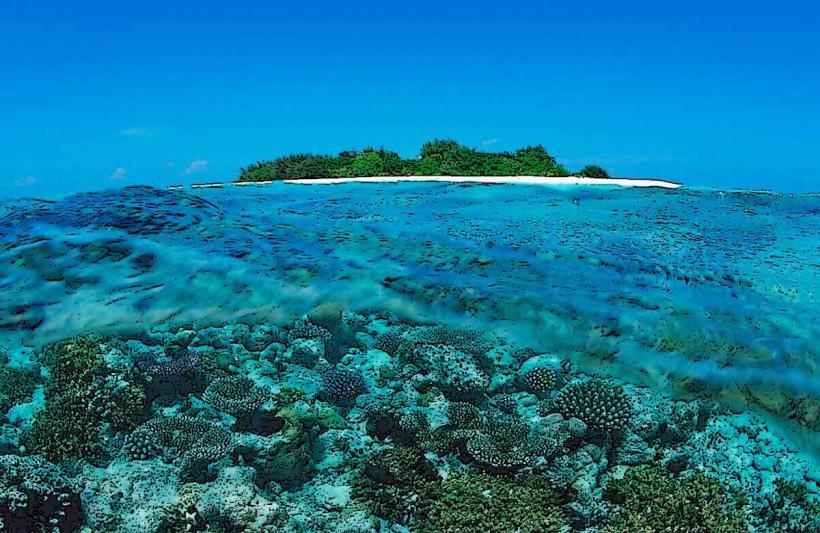
- Snorkeling: For those not into diving, Fuvahmulah also offers excellent snorkeling opportunities with colorful coral reefs and abundant fish.
4. Local Culture and Community
- Population: Fuvahmulah is home to a small population of around 15,000 residents, who rely on fishing, agriculture, and small-scale tourism for their livelihoods. The island is known for its strong sense of community and welcoming atmosphere.
- Cultural Heritage: The island has a rich Maldivian culture and Islamic heritage. Visitors can explore local mosques, traditional houses, and cultural sites, providing a glimpse into the daily life of the island's inhabitants.
- Local Cuisine: Fuvahmulah’s cuisine is primarily based on fresh seafood, coconut, rice, and local vegetables. Some of the traditional dishes include:
- Mas Huni: A Maldivian breakfast dish made with tuna, coconut, and other fresh ingredients.
- Fihunu Mas: Grilled fish served with rice and coconut-based side dishes.
- Garudhiya: A fish soup served with rice, lime, and chili paste.
5. Activities and Things to Do
- Water Sports: Fuvahmulah offers various water-based activities such as kayaking, stand-up paddleboarding, and jet skiing. The calm waters surrounding the island make it perfect for these activities.
- Fishing: Fishing is a key activity on Fuvahmulah, and visitors can join local fishermen on traditional fishing boats for an authentic experience. The island is known for its excellent night fishing and big-game fishing opportunities.
- Island Exploration: The island can be easily explored on foot, offering visitors the chance to walk through the lush forests, birdwatching spots, and local villages. The island’s diverse ecosystems are ideal for nature lovers.
- Island Hopping: Fuvahmulah offers opportunities for island hopping, where visitors can explore neighboring smaller islands, sandbanks, and remote coral reefs.
- Bird Watching: Due to the abundance of freshwater lakes and tropical vegetation, Fuvahmulah is also a great place for birdwatching, with several species of native and migratory birds.
6. Sustainability and Eco-Tourism
- Eco-Tourism Efforts: The island is focusing on eco-tourism initiatives to protect its natural environment while supporting sustainable tourism. Efforts are made to ensure that the island’s ecosystems, including its coral reefs and freshwater lakes, are preserved for future generations.
- Marine Conservation: Fuvahmulah plays an important role in marine conservation in the Maldives, with local dive operators and conservation organizations working to protect endangered species such as whale sharks and oceanic whitetip sharks. Visitors are encouraged to follow responsible practices when engaging with marine life.
7. Best Time to Visit
- Climate: Fuvahmulah has a tropical climate with year-round warm temperatures. The best time to visit is during the dry season, from November to April, when the weather is sunny, making it perfect for outdoor activities and water sports.
- Rainy Season: The rainy season from May to October sees occasional showers and higher humidity. Although it is the off-peak season, it is still a good time to visit for those who prefer fewer tourists and want to enjoy more affordable accommodations.
8. Conclusion
Fuvahmulah Island offers a unique and exciting blend of natural beauty, marine diversity, and Maldivian culture. Whether you’re diving with whale sharks, exploring freshwater lakes, or immersing yourself in the island's traditional way of life, Fuvahmulah provides an authentic and enriching experience. With its diverse ecosystems, welcoming community, and focus on sustainability, Fuvahmulah is the perfect destination for adventurous travelers seeking to explore the untouched charm of the Maldives.