Information
Landmark: Downtown Springdale Historic DistrictCity: Springdale
Country: USA Arkansas
Continent: North America
Downtown Springdale Historic District, Springdale, USA Arkansas, North America
Livingston Park is a public recreational area situated in Manchester, New Hampshire, USA.
Visual Characteristics
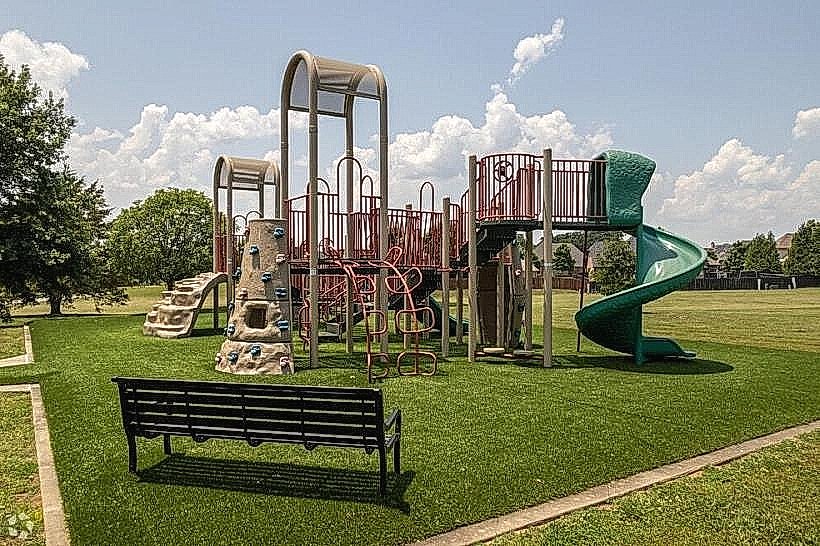
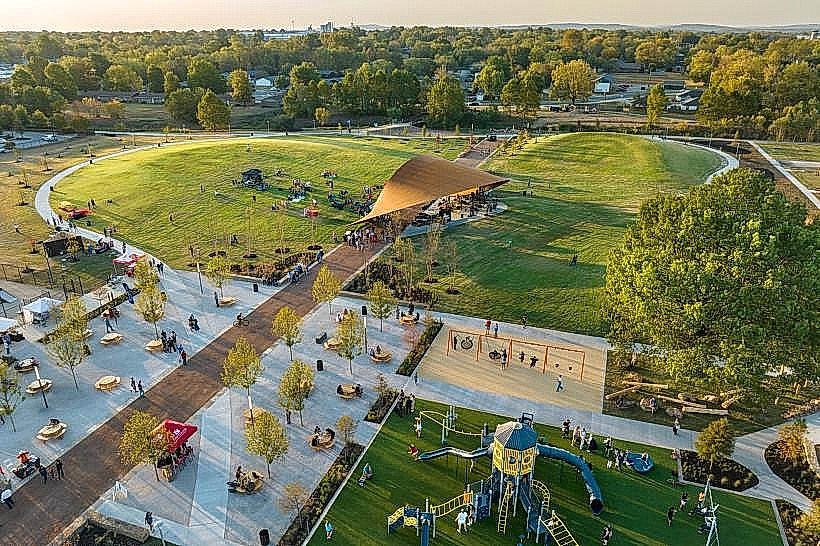
The park features a large, central pond with a paved walking path encircling it. The perimeter is lined with mature deciduous trees, primarily oak and maple, providing significant canopy cover. Open lawn areas are interspersed throughout the park, suitable for passive recreation. A playground structure is located on the western side, and several picnic tables are distributed across the grounds.
Location & Access Logistics
Livingston Park is located approximately 2.5 kilometers (1.5 miles) east of Manchester's city center. Access is via East Spruce Street, which borders the park's southern edge. Ample on-street parking is available along East Spruce Street and adjacent residential streets. The park is served by the Manchester Transit Authority's Route 2 bus line, with a stop located at the intersection of East Spruce Street and Beech Street.
Historical & Ecological Origin
The park was established in 1927 through a donation of land by the Livingston family. Its original purpose was to provide a green space for the growing industrial population of Manchester. Ecologically, the park is situated on glacial till, with the pond being a man-made feature created by damming a small intermittent stream.
Key Highlights & Activities
Activities include walking the 1.2-kilometer perimeter path, fishing in the pond (license required), using the playground facilities, and picnicking. Seasonal activities may include ice skating on the pond during winter months, weather permitting.
Infrastructure & Amenities
Restrooms are available in a central building near the playground. Shade is provided by the mature tree canopy. Cell phone signal (4G/5G) is generally reliable throughout the park. No on-site food vendors are present, but convenience stores are located within a 1-kilometer radius.
Best Time to Visit
For photography, early morning or late afternoon light offers optimal illumination of the pond and surrounding foliage. The months of May through October provide the most pleasant weather for outdoor activities. The pond is typically frozen for ice skating from late December to mid-February, contingent on sustained cold temperatures.
Facts & Legends
A local anecdote suggests that the pond was once home to a large snapping turtle rumored to be over a meter in length, though this has never been verified. The park's original layout was designed by landscape architect Frederick Law Olmsted Jr., though significant modifications have occurred over time.
Nearby Landmarks
- Millyard Museum, 1.8km West
- Currier Museum of Art, 2.1km West
- McGregor Street Park, 0.9km North
- Manchester City Hall, 2.3km West