Information
Landmark: El Jadida PortCity: El Jadida
Country: Morocco
Continent: Africa
El Jadida Port, El Jadida, Morocco, Africa
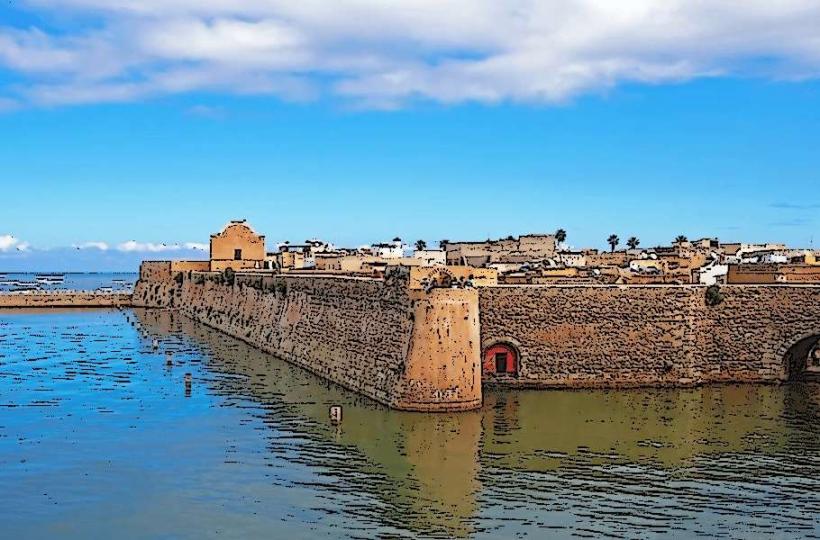
El Jadida Port is a historical and functional maritime site located along Morocco’s Atlantic coast, directly adjacent to the city’s fortified Portuguese city (Cité Portugaise). Blending centuries of history with modern fishing and trade activity, the port serves as both a symbol of El Jadida’s coastal identity and a working harbor supporting the local economy.
1. Historical Significance
The origins of El Jadida Port go back to the early 16th century, when the Portuguese established the fortified city of Mazagan (the former name of El Jadida) as a stronghold on the Atlantic. The harbor played a crucial role in the Portuguese colonial trade network, linking Morocco with other territories across the Atlantic.
The Portuguese built sea walls, bastions, and a jetty to protect their vessels and goods.
The port served both military and commercial purposes, enabling exports of grains, wool, and salt.
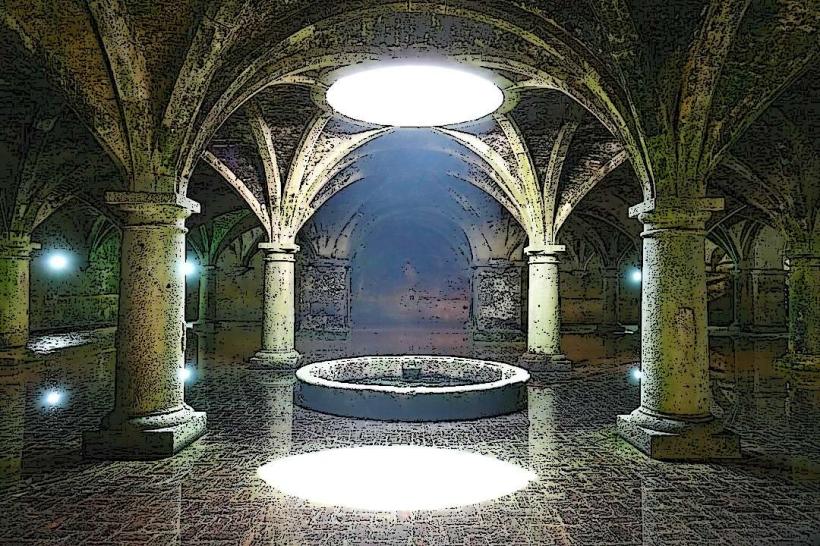
The nearby Portuguese cistern, the city’s architectural jewel, was designed partly to store water for maritime needs.
After the Portuguese left in 1769, the city and port were integrated into Moroccan control and continued to serve as a strategic Atlantic coastal outpost under the Alaouite dynasty.
2. Modern Function and Layout
Today, El Jadida Port remains active, though smaller in scale compared to major Moroccan ports like Casablanca or Agadir. It serves multiple purposes:
Fishing Harbor
The port is mainly used by local fishing boats, particularly small trawlers and traditional wooden vessels.
Daily catches include sardines, mackerel, squid, and anchovies, which supply local markets and small export operations.
A fish market and auction are held on the premises, offering fresh seafood in a lively, authentic setting.
Marina and Leisure Use
A section of the port has been adapted to accommodate pleasure boats and yachts, reflecting growing interest in nautical tourism.
Though smaller than luxury marinas in Casablanca or Tangier, this area offers basic docking services for private vessels.
Cargo and Commerce
The port handles limited coastal freight such as construction materials and goods destined for local use.
Its role in international shipping is modest, with most trade redirected through larger, more industrial ports.
3. Visual and Architectural Appeal
El Jadida Port is not just functional-it also offers an atmospheric, picturesque setting, shaped by centuries of maritime activity:
Historic fortifications still border the port area, especially the bastions and ramparts of the Portuguese city.
The old jetty, built of stone and concrete, stretches into the ocean, offering expansive views of the Atlantic and the city’s skyline.
The juxtaposition of modern fishing life with ancient architecture makes the port a popular subject for photography and film.
From the ramparts above, you can see fishing boats returning at sunset, with gulls circling above and the golden light casting shadows on the sea walls.
4. Local Life and Economy
The port is a central part of everyday life in El Jadida, especially for families who depend on fishing or fish processing for their livelihood:
Fishmongers, net makers, repair workers, and sellers operate within and around the port.
Small businesses near the harbor sell grilled sardines, harira, and mint tea, creating a lively atmosphere in the mornings and early evenings.
Locals gather on the harbor wall or near the cannons of the Portuguese fortress to chat, relax, and enjoy the sea breeze.
5. Tourist Attraction and Activities
El Jadida Port is not a conventional tourist marina, but it draws interest due to its authenticity and location next to the UNESCO-listed Portuguese City.
Tourists can:
Watch the fishing boats come and go, especially at dawn or dusk.
Visit the nearby Portuguese fortifications, which offer panoramic views of the port and Atlantic.
Enjoy fresh seafood at small restaurants or the fish market itself, where many vendors prepare grilled dishes on-site.
Walk along the jetty or sit near the water to observe local life and coastal rhythms.
Although not highly commercialized, the charm lies in the authentic working atmosphere and historical surroundings.
6. Challenges and Preservation
El Jadida Port faces several challenges common to smaller, historical harbors:
Silting and water depth issues occasionally affect boat traffic, especially during rough seas.
Pollution and plastic waste from the sea and city runoff are ongoing concerns.
The balance between preservation of heritage and modern development is delicate, particularly given the proximity to the UNESCO-protected Cité Portugaise.
Despite this, the port remains vital to local life, both economically and culturally, and efforts are underway to promote sustainable tourism and harbor improvement projects.
Summary
El Jadida Port is a living intersection of history, daily labor, and coastal culture. Surrounded by centuries-old Portuguese architecture and powered by the rhythms of the fishing trade, it stands as a reminder of Morocco’s Atlantic heritage. Though modest in size, the port’s atmosphere, authenticity, and maritime soul make it an essential part of any visit to El Jadida.