Information
Landmark: Ethagala (Elephant Rock)City: Kurunegala
Country: Sri Lanka
Continent: Asia
Ethagala (Elephant Rock), Kurunegala, Sri Lanka, Asia
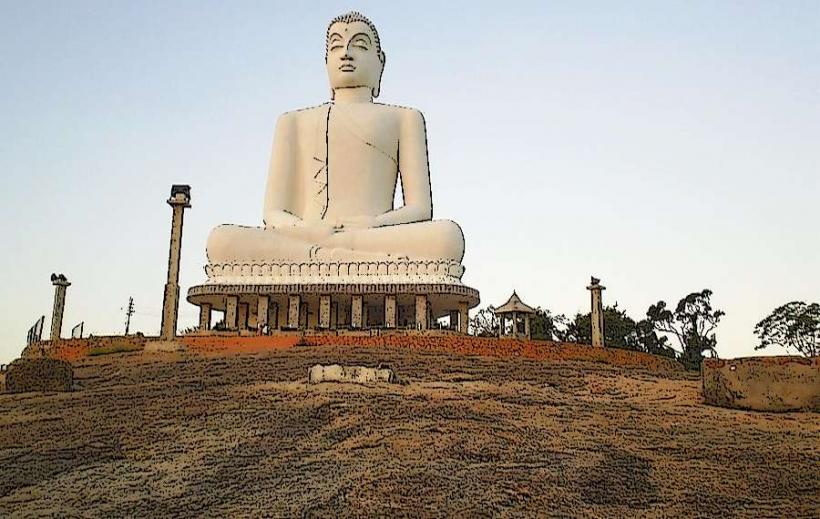
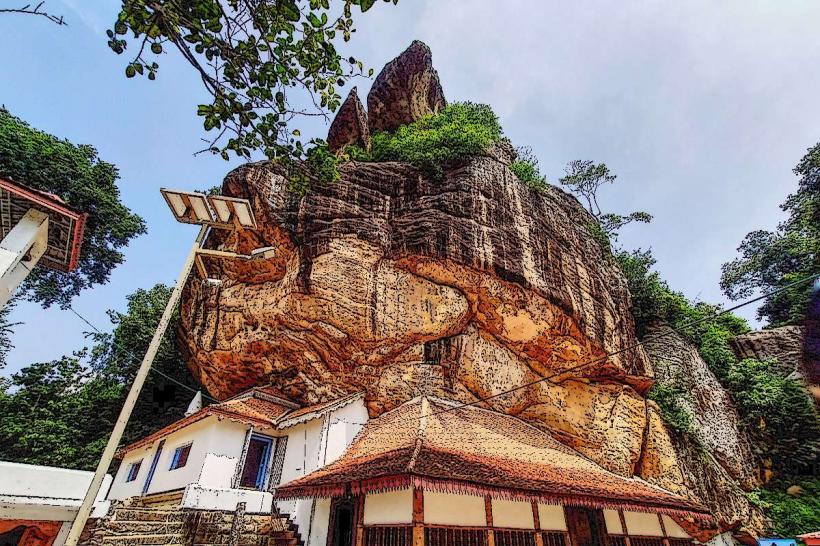
Ethagala, also known as Elephant Rock, is a prominent rock formation situated in the city of Kurunegala, Sri Lanka.
This geological feature is characterized by its distinct shape, resembling an elephant's head. The rock is composed of gneiss, a metamorphic rock, and its surface exhibits weathered textures and fissures. Its elevation provides a commanding view of the surrounding urban and rural landscape.
Location & Access Logistics
Ethagala is located approximately 2 kilometers west of the Kurunegala city center. Access is via the A1 Colombo-Kandy road, turning onto local roads leading to the base of the rock. Limited parking is available at designated points near the ascent path. Public transport options include local bus routes that pass through Kurunegala town; from the town, a short tuk-tuk ride or a walk of approximately 1.5 kilometers is required to reach the rock's base.
Historical & Ecological Origin
Ethagala is a significant inselberg, a solitary hill that rises abruptly from a flat plain. These formations are remnants of ancient rock that have resisted erosion over millions of years. The rock's formation is attributed to geological uplift and subsequent weathering processes.
Key Highlights & Activities
The primary activity is climbing to the summit of Ethagala. A well-defined, though sometimes steep, path facilitates the ascent. Visitors can observe the rock's geological features and enjoy panoramic views of Kurunegala and its environs. The summit area is suitable for observation and photography.
Infrastructure & Amenities
Basic amenities at the base of Ethagala include some informal food vendors selling local snacks and beverages. Restrooms are not consistently available at the immediate base. Cell phone signal (4G) is generally reliable in the vicinity. There is limited natural shade on the ascent path and at the summit.
Best Time to Visit
The optimal time for visiting Ethagala is during the early morning or late afternoon to avoid the midday heat and for better photographic lighting conditions. The dry season, from December to March, offers the most favorable weather with minimal rainfall. The ascent is best undertaken when the rock surface is dry.
Facts & Legends
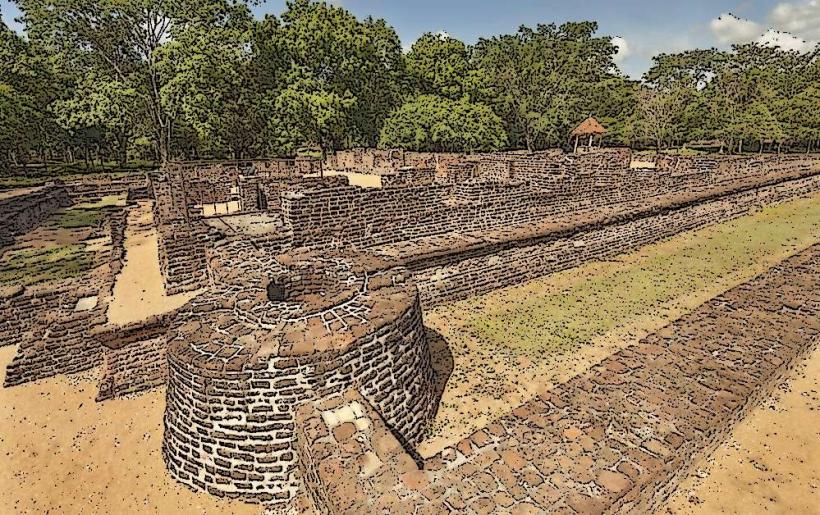
Local folklore suggests that the rock formation is a petrified elephant that was turned to stone by a deity. A verified historical detail is that ancient fortifications and monastic caves are present on and around the rock, indicating its strategic and religious importance throughout Sri Lankan history.
Nearby Landmarks
- Ridi Vihara (Silver Temple) - 4.5km Southwest
- Dambulla Royal Cave Temple and Golden Temple - 25km East
- Yapahuwa Rock Fortress - 30km North
- Sigiriya Rock Fortress - 55km East
- Polonnaruwa Ancient City - 100km East