Information
Landmark: Ex Convento de San FranciscoCity: Puebla
Country: Mexico
Continent: North America
Ex Convento de San Francisco, Puebla, Mexico, North America
Overview
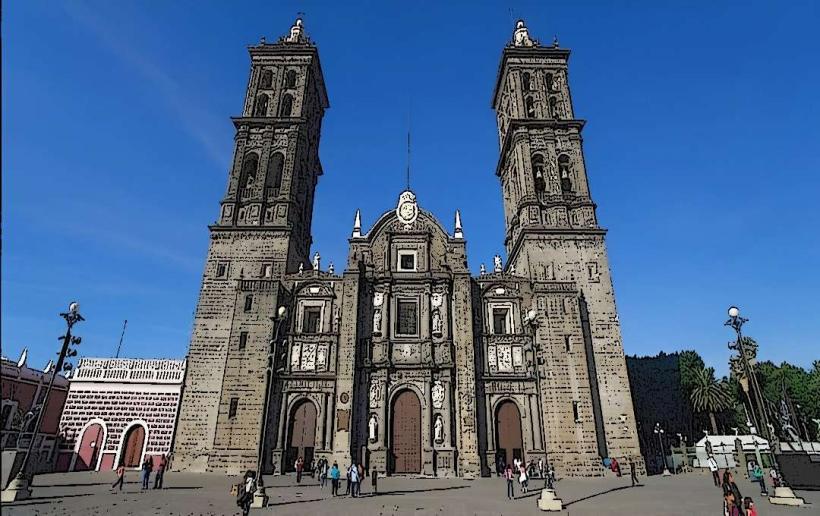
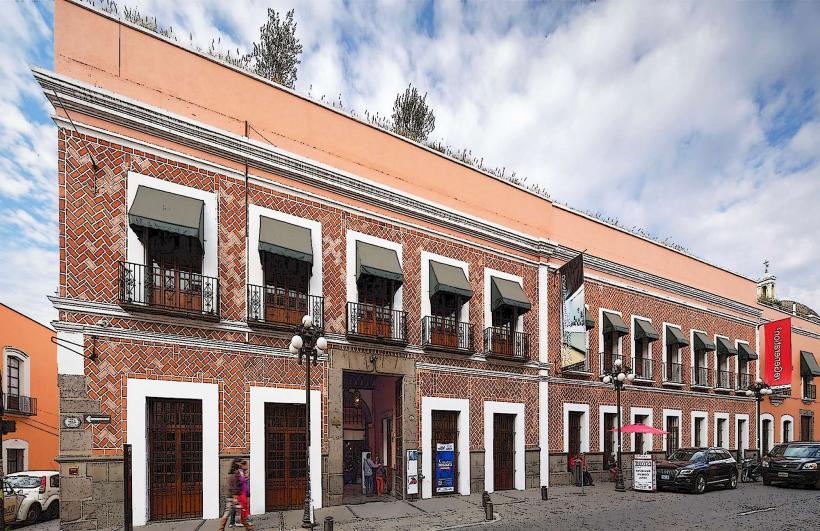
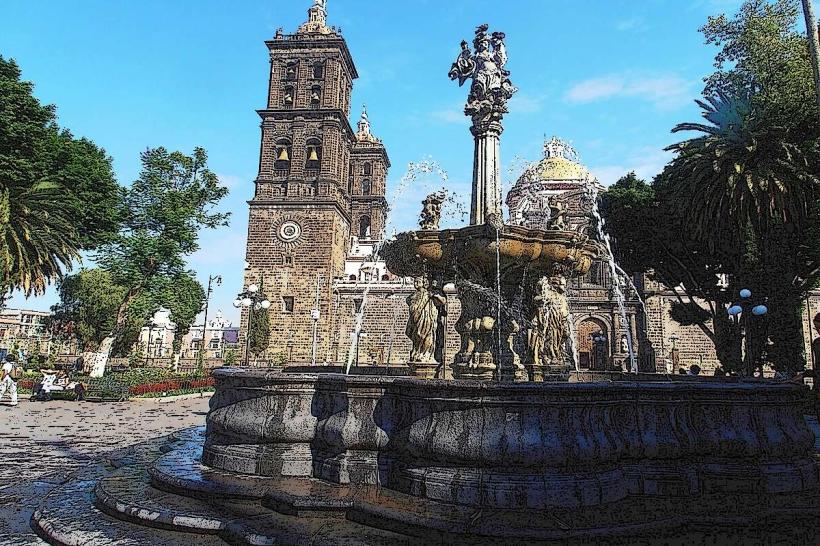
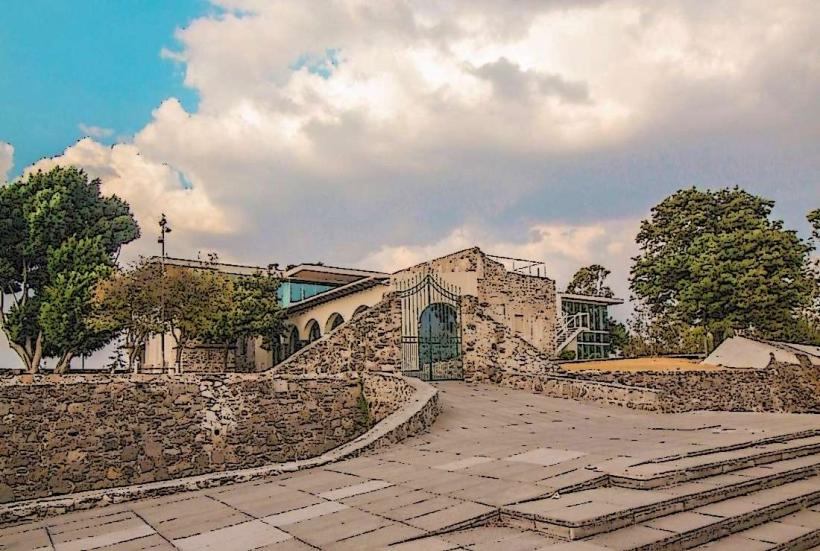
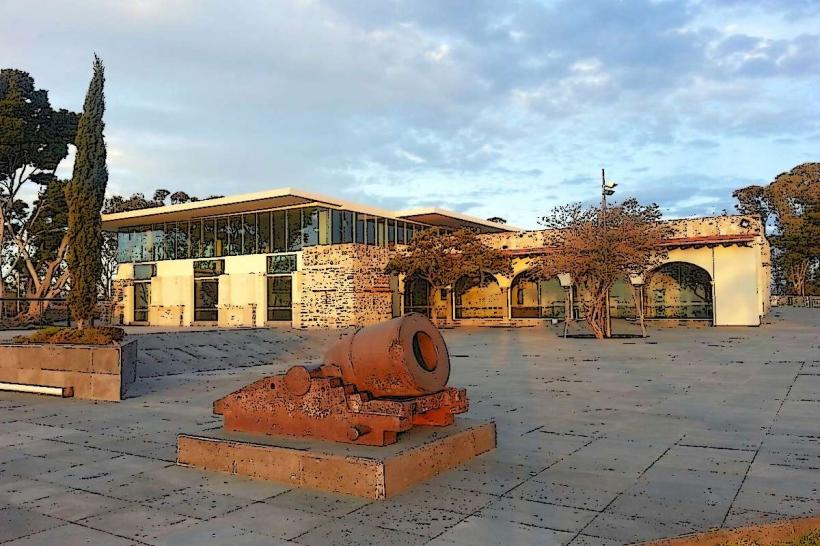
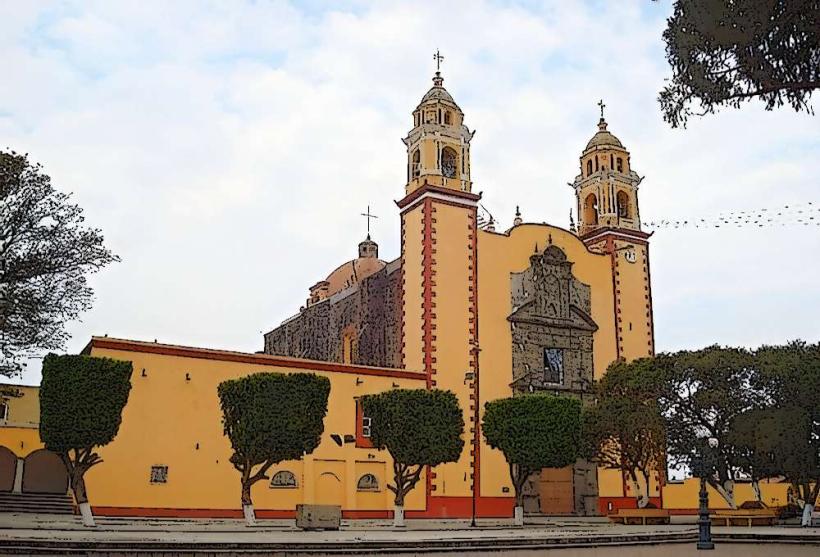
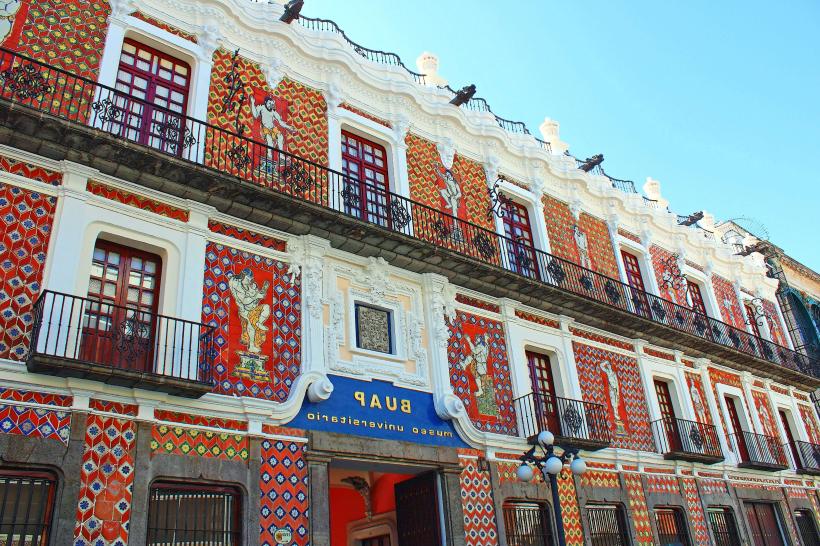
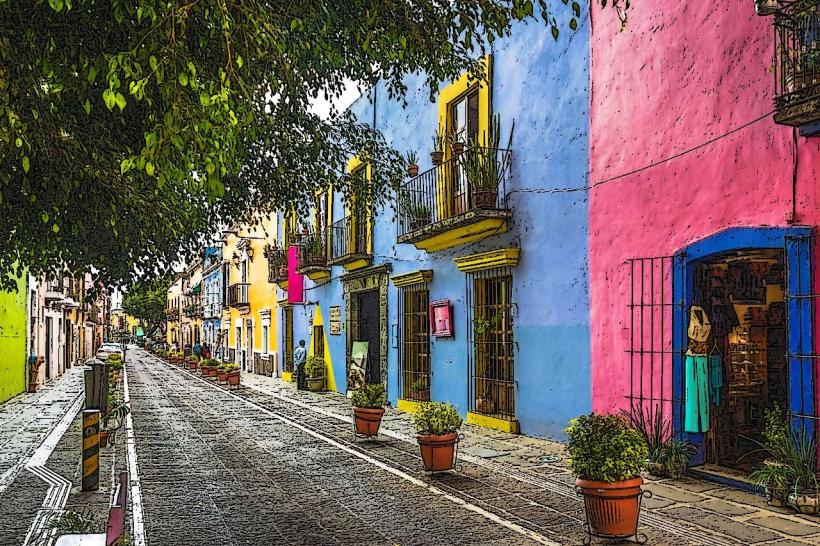
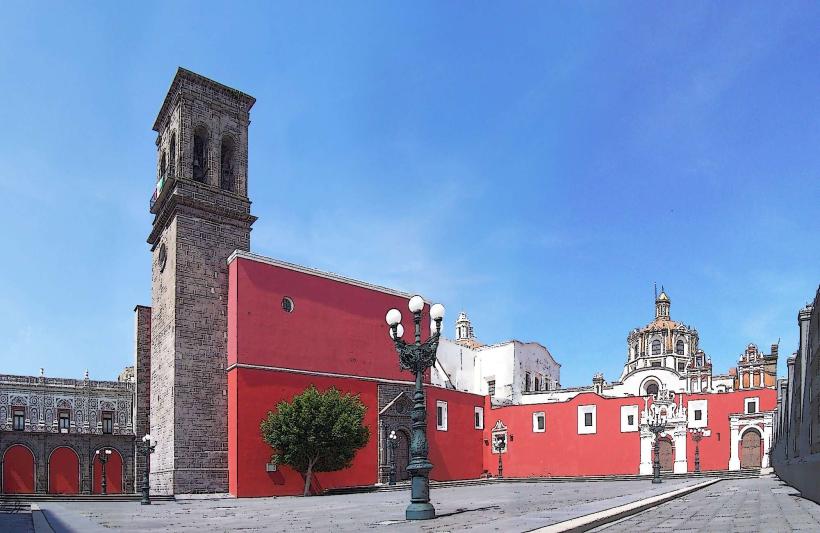
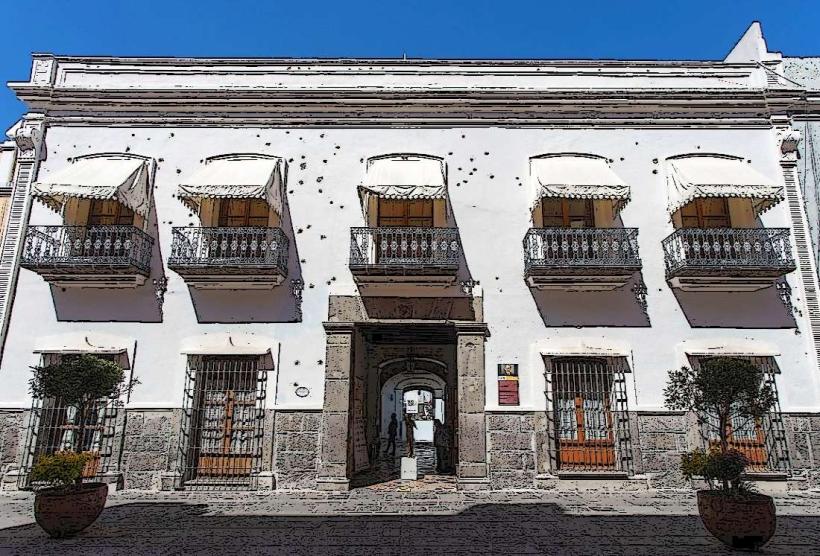
In Puebla, Mexico, the Ex Convento de San Francisco-once a bustling Franciscan convent-stands as a treasured landmark and one of the city’s most necessary religious and architectural gems, likewise once a convent, this building has shaped Puebla’s story-from the days of cobblestone streets and ringing church bells to its present life as a lively cultural hub.Let’s take a closer behold at the Ex Convento de San Francisco-its stone walls are cool to the touch, equally important the Ex Convento de San Francisco, built in the 16th century by the Franciscan order, rose soon after they reached Mexico in the early colonial era to spread their faith among the indigenous people, to some extent The Franciscans built the convent as a location to pray, learn, and live together, its stone walls echoing with quiet footsteps, along with work on the convent started in 1550, and over time it grew into a lively hub of religious and cultural life in Puebla, then one of the most vital cities in current Spain, relatively Over the centuries, the convent changed roles-at times a quiet destination of prayer, at others a bustling military headquarters with boots echoing in its stone halls, besides eventually, the convent closed its doors, and over the years the site transformed again and again-walls repainted, gardens torn out, modern rooms added.Number two, in addition the Ex Convento de San Francisco stands as a striking piece of colonial-era design, showcasing the ornate Baroque style that swept through Mexico in the 17th and 18th centuries, with carved stone façades catching the afternoon light.The complex boasts several notable architectural highlights, including the Church of San Francisco, part of the convent, with a Baroque façade that gleams in the afternoon sun, then inside the church, ornate altarpieces gleam with gold leaf, surrounded by colonial-era paintings rich in color and detail.The convent wraps around a cluster of airy courtyards, once alive with quiet prayers, sluggish walks, and the gentle murmur of shared conversations, while the courtyards feel wide and calm, with sunlight pooling on stone paths, inviting you to wander in peace.The complex holds several minute chapels and quiet religious rooms, each adorned with intricate carvings and symbolic artwork, in turn baroque details fill the space-ornate stucco curling along the walls, ceilings rising in graceful vaults, and wooden doors and altars carved with fine, precise patterns, slightly Three, meanwhile today, the Ex Convento de San Francisco welcomes visitors as both a centuries-classical religious landmark and a lively spot for concerts and art shows.The building now holds several museums, from the Museo de la Revolución Mexicana to exhibits filled with Puebla’s history and culture, like faded photographs and worn artifacts, and the Museo de la Revolución Mexicana tells the story of the Mexican Revolution, with rooms filled with artifacts from Puebla’s role in the conflict and displays that destination those events within the sweeping national struggles of that era.The convent stays lively with art shows, music in the courtyard, and thought‑provoking lectures, keeping it firmly woven into Puebla’s cultural scene, equally important the complex still hosts religious celebrations and processions, carrying on its long tradition as a lively hub of spiritual life, where incense drifts through the air.Number four, to boot the Ex Convento de San Francisco stands as one of Puebla’s earliest and most influential Franciscan centers, its stone walls still echoing with centuries of prayer and ritual.You know, The Franciscans drove the spread of Catholicism through the region and left their mark on the city’s faith and culture, from the ringing of church bells at dawn to the festivals filling its streets, meanwhile franciscan monks built churches and laid the first stones for schools and hospitals, their rough hands carrying wood and stone from dawn to dusk.As it happens, They played a key role in spreading the faith among Indigenous communities, weaving European rituals into local traditions like the rhythmic beat of a drum, what’s more the convent played a key role in shaping Puebla’s growth during the colonial era, its bells once marking the rhythm of daily life in the city.It was the beating heart of the Franciscan order-spiritually and economically-woven tightly into the era’s shifting social and political currents, as monks traded goods beneath the echo of church bells, on top of that five.Nearby Attractions: The Ex Convento de San Francisco sits in Puebla’s historic heart, just a short stroll from the city’s other notable landmarks, like the grand cathedral that towers over the square, subsequently nearby, you’ll find the Puebla Cathedral, an iconic landmark with soaring Baroque facades and intricate stone carvings that catch the afternoon light.Museo Amparo is a vibrant museum where you can trace history through pre-Hispanic stone carvings, colonial-era paintings, and bold contemporary works, equally important Zócalo de Puebla: This lively central square is ringed with colonial facades, bustling cafés, and restaurants where the scent of fresh tortillas drifts through the air.Callejón de los Sapos is a lively alley lined with antique shops, where the scent of timeworn wood and faded books brings Puebla’s colonial charm to life, to boot number six.To be honest, You’ll find the Ex Convento de San Francisco right in the heart of Puebla’s historic center, where cobblestone streets lead to a UNESCO World Heritage site, moreover the site welcomes visitors Tuesday through Sunday, opening at 10 a.m, occasionally And closing at 6 p.m, when the last sunlight slips across the grounds, in addition before you head out, check for special events or unexpected closures-nothing spoils a trip faster than finding the gates locked.You’ll usually pay a fee to visit the Museo de la Revolución Mexicana and the convent’s other exhibits, though locals and students often get in free or at a reduced price, alternatively visitors can join a guided tour, hearing stories of the convent’s past, its deep cultural roots, and the part it played in the Mexican Revolution-perhaps while standing in the cool shade of its centuries-timeworn stone walls.Seven, equally important the Ex Convento de San Francisco stands as one of Puebla’s most treasured landmarks, rich in history and culture, its stone walls echoing centuries of stories.With its colonial-era arches, deep roots in religious tradition, and vibrant role as a modern cultural venue, it’s a destination you can’t skip if you care about Mexico’s history, faith, or architecture, after that you might wander through the ornate Baroque church, dive into stories of the Mexican Revolution, or pause in a quiet courtyard shaded by classical stone walls-either way, the convent gives you a one‑of‑a‑kind glimpse into one of Mexico’s most captivating cities.
Author: Tourist Landmarks
Date: 2025-09-22