Information
Landmark: Gergeti Trinity ChurchCity: Stepantsminda
Country: Georgia
Continent: Asia
Gergeti Trinity Church, Stepantsminda, Georgia, Asia
Gergeti Trinity Church is a 14th-century Eastern Orthodox church situated in Stepantsminda, Georgia, at an elevation of 2,170 meters above sea level.
Visual Characteristics
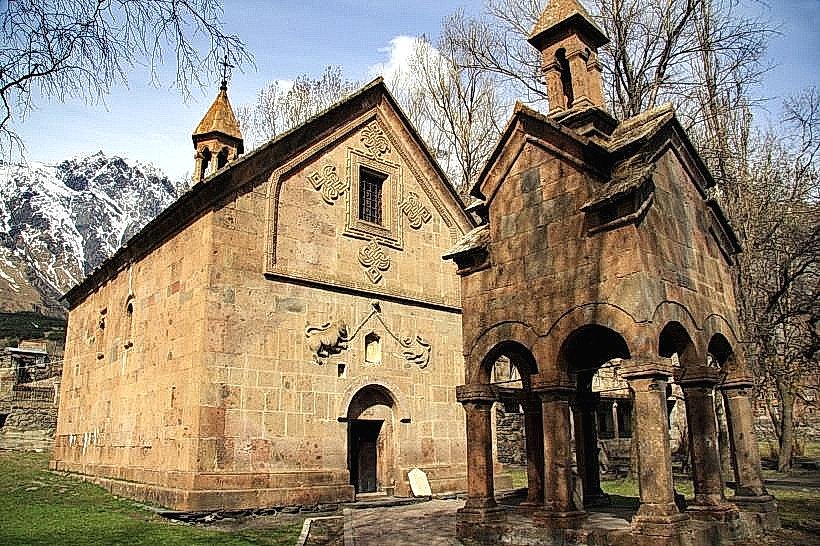
The church is constructed from rough-hewn stone, primarily grey and brown, with a pitched roof. It features a single nave and a dome. The exterior walls are unadorned, emphasizing the raw material. The structure stands on a prominent hill, offering clear visibility from the surrounding valley.
Location & Access Logistics
The church is located approximately 1.5 kilometers north of Stepantsminda. Access is via a steep, unpaved road, approximately 4 kilometers in length. A 4x4 vehicle is recommended for the ascent. Alternatively, a hike of 1.5 to 2 hours is possible. Parking is limited at the church site; most visitors park in Stepantsminda and arrange transport or hike. No public transport directly serves the church.
Historical & Ecological Origin
Construction of Gergeti Trinity Church is dated to the 14th century. Its original purpose was to safeguard the valuable relics of the Georgian Orthodox Church during times of invasion. The church is situated on a geologically stable bedrock formation.
Key Highlights & Activities
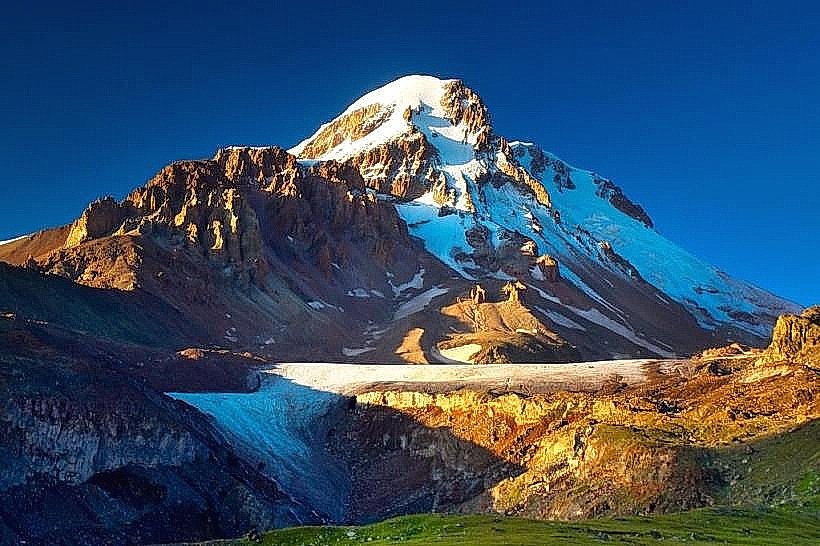
Observation of the church's architecture. Photography of the structure against the backdrop of Mount Kazbek. Hiking the trail to the church. Viewing the panoramic landscape from the church grounds.
Infrastructure & Amenities
Restrooms are not available at the church site. There is minimal natural shade. Cell phone signal (4G/5G) is generally available. No food vendors are present at the church; provisions should be made in Stepantsminda.
Best Time to Visit
For photography, early morning or late afternoon light provides optimal illumination of the church and Mount Kazbek. The best months for weather are from May to October, avoiding winter snow and ice which can make access difficult or impossible. Access can be restricted by snow from November to April.
Facts & Legends
During the Soviet era, when religious practice was suppressed, the church's remote location allowed it to remain largely intact. It is said that during times of danger, the relics of the Georgian Church were moved to this church for safekeeping.
Nearby Landmarks
- Mount Kazbek (0.5km North)
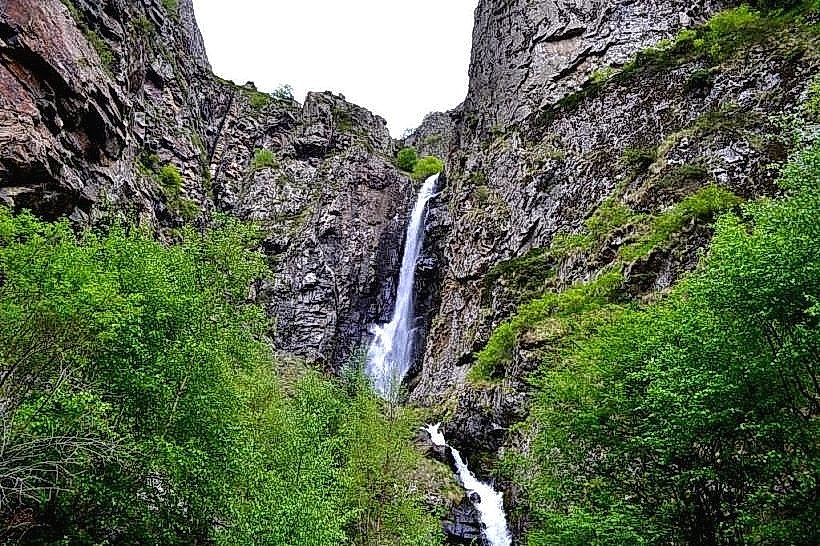
- Gveleti Waterfalls (3km East)
- Sno Valley (4km South)
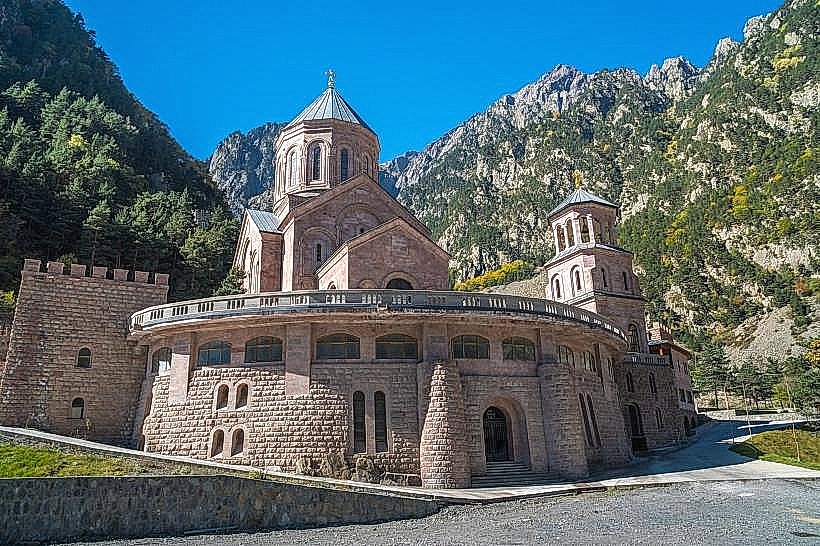
- Dariali Gorge (5km North)