Information
Landmark: Gwangju Science ParkCity: Gwangju
Country: South Korea
Continent: Asia
Gwangju Science Park, Gwangju, South Korea, Asia
The Gwangju Science Park is a public facility dedicated to science education and exhibition, located in the Buk-gu district of Gwangju, South Korea.
It serves as a hub for scientific learning and exploration for residents and visitors.
Visual Characteristics
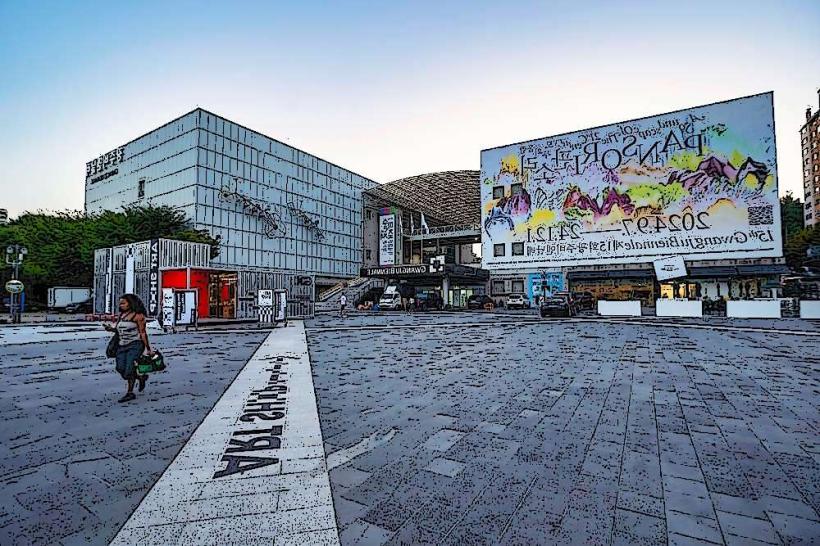
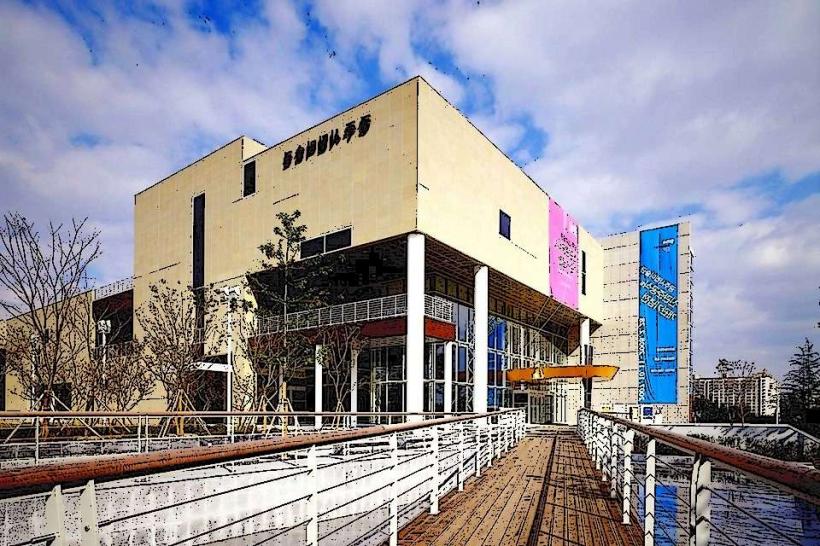
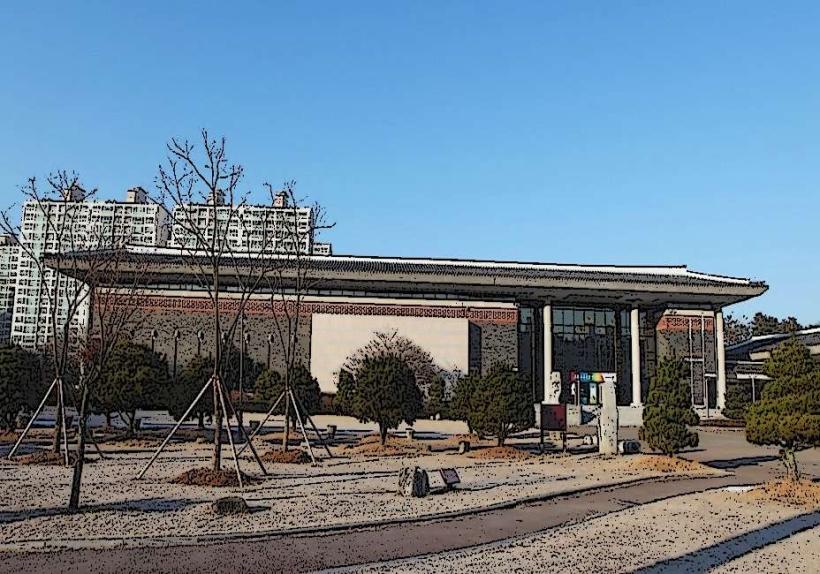
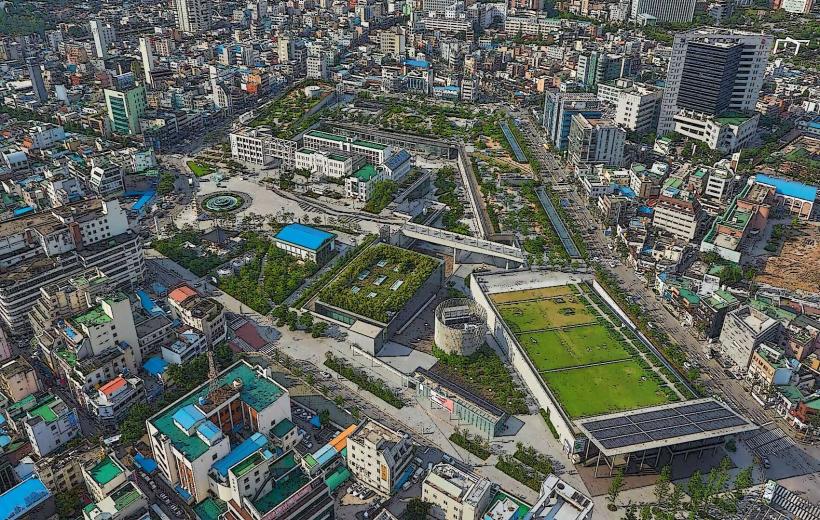
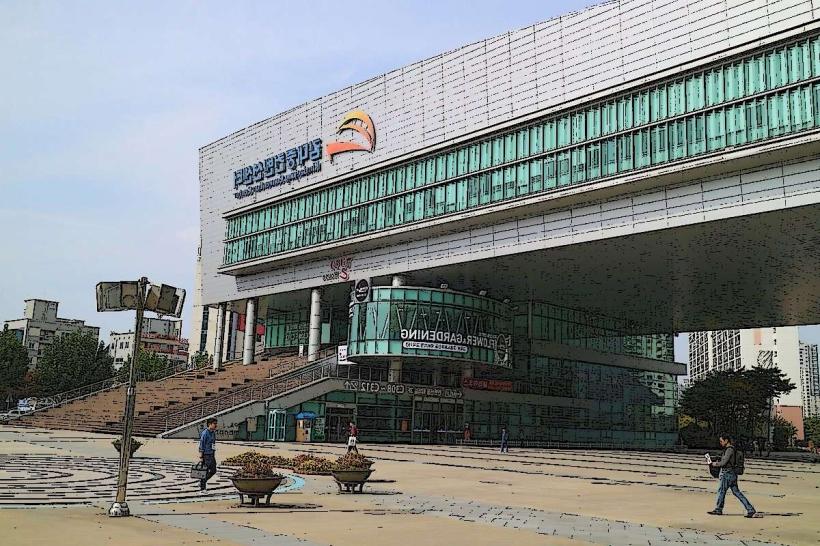
The main building features a modern architectural design with a facade primarily constructed from glass and steel, allowing for natural light penetration. The structure is multi-storied, with a prominent central dome. Surrounding the building are landscaped grounds with paved walkways and open green spaces.
Location & Access Logistics
The Gwangju Science Park is situated approximately 8 kilometers north of Gwangju city center. Access is via Gwangju-si 10 Road (광주광역시 10호 도로). Public transportation options include Bus Line 115, which stops directly in front of the park. Limited parking is available on-site, with capacity for approximately 50 vehicles.
Historical & Ecological Origin
Construction of the Gwangju Science Park was completed in 2005. The facility was designed by the architectural firm KCAP Architects+Planners. Its purpose is to promote scientific literacy and innovation within the region.
Key Highlights & Activities
Visitors can explore interactive exhibits covering physics, biology, and technology in the main exhibition hall. The planetarium offers scheduled shows on astronomy. Outdoor areas include a botanical garden and a small observatory. Educational workshops are conducted on weekends.
Infrastructure & Amenities
Restrooms are located on each floor of the main building. Shaded seating areas are available in the outdoor gardens. Cell phone signal (4G/5G) is generally strong within the park. No on-site food vendors are present, but a cafe is located within the main lobby.
Best Time to Visit
For optimal lighting on exhibits and grounds, mornings between 10:00 AM and 12:00 PM are recommended. The best months for visiting are April through October, when outdoor activities are most feasible. Planetarium shows are best booked in advance, especially on weekends.
Facts & Legends
A unique feature of the Gwangju Science Park is its collection of astronomical artifacts, including a meteorite fragment displayed in the planetarium lobby. Local lore suggests that observing the stars from the observatory on a clear night can bring good fortune.
Nearby Landmarks
- Gwangju National Museum (2.5km South)
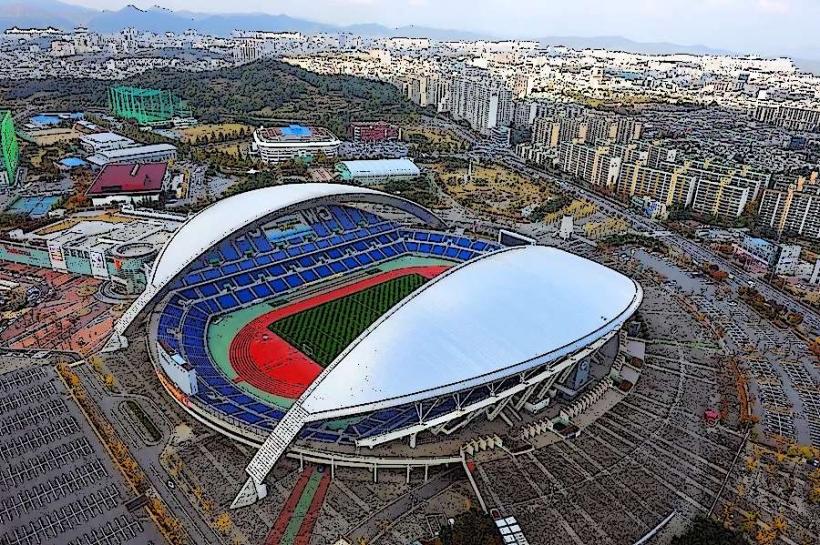
- Gwangju World Cup Stadium (3.0km Southwest)
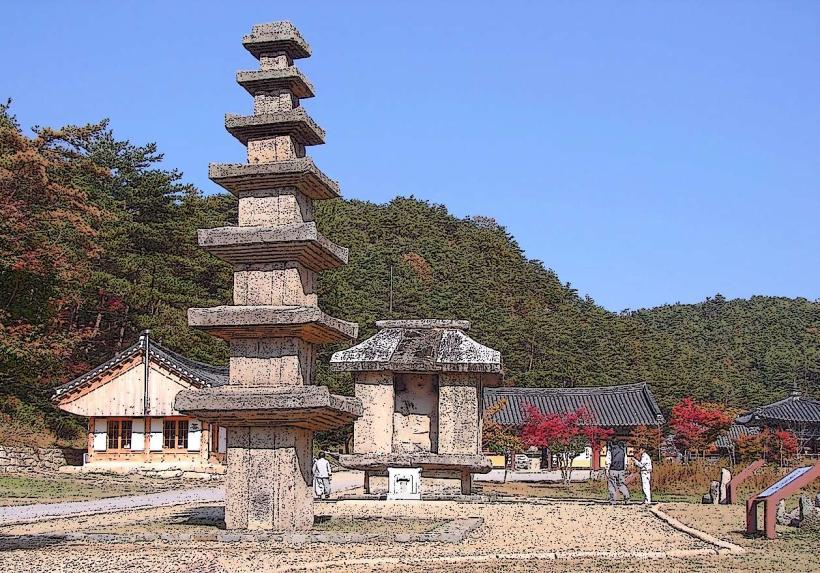
- Jeungsimsa Temple (4.0km East)
- Mudeungsan National Park Entrance (4.5km Northeast)