service

Haci Bayram Mosque | Ankara


Information

Landmark: Haci Bayram Mosque
City: Ankara
Country: Turkey
Continent: Asia

Haci Bayram Mosque, Ankara, Turkey, Asia

Overview

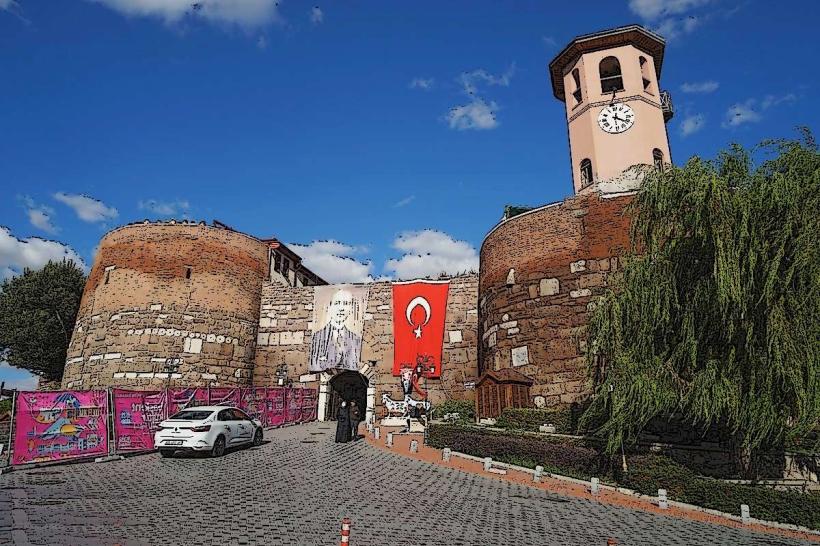
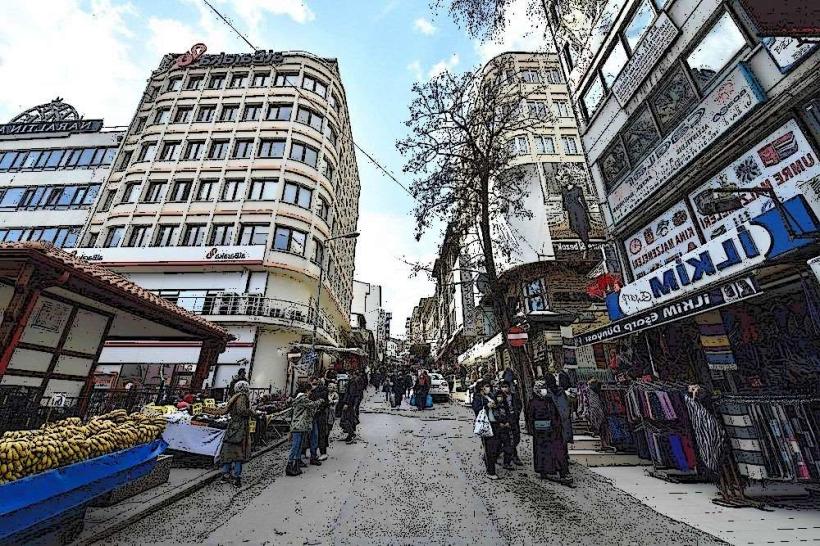
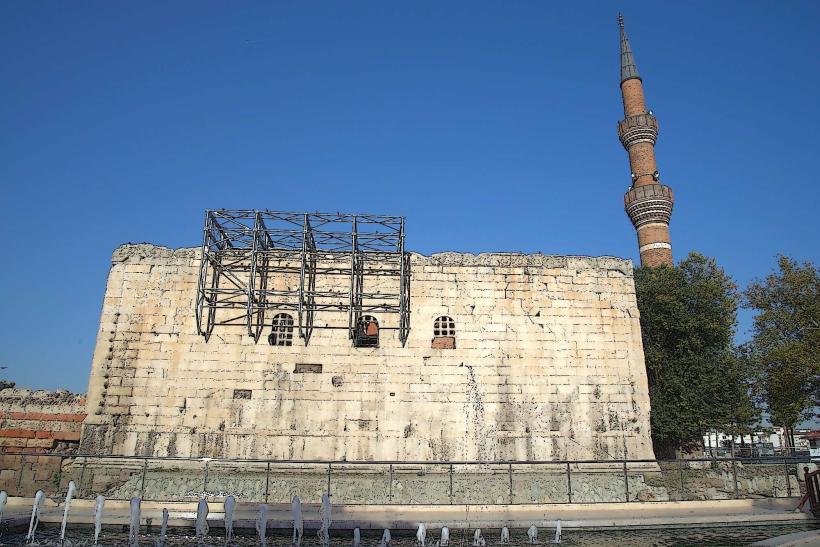
In Ankara, Turkey, the Hacı Bayram Mosque (Hacı Bayram Camii) stands as one of the city’s most treasured landmarks, its stone walls glowing warm in the late-afternoon sun, and right in the city’s bustling center, it stands as a site of worship, culture, and deep history-its stones echoing Turkey’s spiritual roots and the story of Islam’s spread through the region.The mosque takes its name from Hacı Bayram Veli, a revered Turkish Islamic scholar and Sufi saint whose legacy still echoes in the prayers and stories of Turkish life, meanwhile built in honor of Hacı Bayram Veli (1352–1430), the mosque celebrates a revered teacher whose work shaped the Turkish Naqshbandi Sufi path.He guided souls, wrote verses that lingered like candlelight in a quiet room, and shared his wisdom as a philosopher, helping spread Islam and Sufism throughout Anatolia, besides hacı Bayram Veli is remembered for championing the mystical, soul-deep side of Islam, and his words still shape Turkish spirituality, like a quiet echo in the halls of an ancient Ankara mosque.He founded the Bayramiye Sufi order, and before long it was shaping spiritual life across the region, its gatherings marked by the low murmur of prayer and the scent of burning incense, subsequently in 1427, Ibrahim Bey, then ruler of Ankara, built the Hacı Bayram Mosque to honor Hacı Bayram Veli’s legacy, its pale stone walls still catching the afternoon sun.It sits just steps from the tomb of Hacı Bayram Veli, a area where his followers still gather in quiet reverence, also his disciples, along with others drawn to his Sufi teachings, gathered around the mosque, which became their clear center-its call to prayer carrying through the narrow streets, almost The mosque stands as a landmark in Ankara, deeply woven into the city’s faith and the heart of Turkish Islam, its call to prayer echoing across rooftops at dusk, likewise for centuries, it’s been a site where people come to pray, seek wisdom, and light candles in quiet corners.Truthfully, Beyond its location of worship, the mosque came to embody the city’s identity, a presence that grew stronger in the later years as Ankara swelled with life and rose to become Turkey’s capital, besides the Hacı Bayram Mosque showcases early Ottoman design, blending classic Ottoman style with local touches, like carved wooden doors that glow warmly in the afternoon light.It blends Seljuk arches with Ottoman domes, capturing the moment when Turkish architecture shifted from one era to the next, then first.The mosque follows a traditional single-dome design, with a spacious central prayer hall at its heart, ringed by quiet courtyards and smaller side buildings, subsequently the mosque’s exterior feels quietly elegant-straight, unadorned lines meet in perfect balance, echoing the calm, clear purity at the heart of Sufism.A single minaret rises above the mosque, a familiar sight in countless Ottoman-era buildings, its slender tower catching the afternoon sun, in addition the minaret rises slender and tall, dressed in classic Ottoman patterns, with a petite stone balcony where the call to prayer drifts into the air.The mosque’s wide courtyard, where sunlight spills across the stone tiles, is a central part of the entire complex, besides the courtyard feels calm and thoughtful, with the soft rustle of leaves overhead, drawing visitors who pause to rest and honor Hacı Bayram Veli.Number two sat there on the page, minute and sharp like a pencil tip, equally important main Prayer Hall Interior: Step inside and you’ll find a wide, open space with graceful, understated touches-soft light glinting off carved wood and smooth stone.Slender columns hold up the central dome, and the hall’s design invites quiet worship and thoughtful reflection, like the hush that settles before a candle is lit, not only that the interior feels spare yet deeply moving, echoing Sufi principles that call for quiet self-reflection and a heartfelt bond with God.Tile Work and Calligraphy: Inside, you’ll perceive finely patterned tiles-typical of many Ottoman mosques-but here the designs feel restrained rather than lavish, simultaneously islamic calligraphy winds across the walls, its flowing lines spelling out verses from the Quran in deep, inky black.Truthfully, The designs carry a quiet, spiritual calm, like the hush inside an historic chapel, and they’re meant to invite reflection, furthermore the mihrab, a petite arched niche pointing toward Mecca, sits at the center of the qibla wall, its surface gleaming with intricate tiles and delicate carvings, perhaps The minbar, the pulpit where the imam speaks to the congregation, is crafted in an ornate Ottoman style, with delicate carvings curling along its wooden panels, on top of that number three.One of the mosque complex’s most treasured spots is the tomb of Hacı Bayram Veli, where a faint scent of vintage wood lingers in the quiet air, moreover the tomb stands close to the mosque, drawing pilgrims who come to feel the quiet presence of the revered Sufi saint.The tomb stands plain yet dignified, its quiet presence mirroring the modesty and humility at the heart of Hacı Bayram Veli’s teachings, meanwhile a sacred stop for pilgrims, the mosque draws visitors who come to stand by the tomb, whisper a prayer, and honor its memory.The tomb’s placement inside the mosque complex highlights how faith and devotion intertwine, a spot where whispered prayers mingle with the footsteps of pilgrims, subsequently the Hacı Bayram Mosque holds a deep bond with the Naqshbandi Sufi order, whose teachings have shaped countless spiritual traditions across Turkey, from whispered prayers at dawn to the quiet rhythm of meditation.Actually, The mosque still draws Sufi followers who come to pray, meditate, and sit quietly in reflection, the scent of incense hanging in the air, while hacı Bayram Veli’s teachings still shape the mosque and the streets around it, where visitors arrive to find a quiet corner and a moment of peace.Oddly enough, In Ankara, the mosque stands at the heart of Islamic worship, where voices rise together in the call to prayer, and people use it often for daily prayers, gather there on Fridays, and come together for special religious celebrations.It’s also a spot where people come together for festivals, prayer services, and other moments that blend faith with tradition, after that when Ankara rose to become Turkey’s capital, the Hacı Bayram Mosque kept its spot at the heart of spiritual life, its call to prayer still carrying through the narrow streets.It reflects the long, unbroken thread of Islam in Turkey and the region’s deep cultural heritage, like the worn stone arches still standing in its historic mosques, simultaneously the mosque’s historical significance grew as it became a touchstone for modernizing Turkish spiritual life under the secular Republic, where call to prayer echoed in a newly reformed society.Just so you know, The mosque welcomes visitors all day, but like many in Turkey, it closes during prayer times so worshippers can gather in quiet for their devotions, meanwhile non-Muslim visitors are welcome, but they’re asked to dress modestly-covering shoulders, for example-and to show respect for the religious practices happening around them.The mosque feels peaceful, its quiet air carrying a faint scent of incense, as a result visitors come not just to worship, but to marvel at the carved stone arches and the deep history woven into the walls.Around Hacı Bayram Veli’s tomb, the still air and soft rustle of leaves invite you to pause, reflect, and sink into quiet thought, equally important the mosque sits close to several of Ankara’s landmarks, like the Temple of Augustus and the Roman Baths, where the stone still holds the day’s heat.It’s easy to wander through the winding streets of the historic Ulus district, where a centuries-historic stone arch might stand just steps from a bustling modern café, alternatively in conclusion, the Hacı Bayram Mosque stands as one of Ankara’s key landmarks, valued not only for its graceful architecture but also for the centuries of faith and history woven into its walls.The morning light spilled through the blinds, warm and soft against my cheek.
Author: Tourist Landmarks
Date: 2025-09-22


Location

Get Directions


Rate it

You can rate it if you like it


Share it

You can share it with your friends


Contact us

Inform us about text editing, incorrect photo or anything else

Contact us

Landmarks in Ankara

Ankara Castle
Landmark

Ankara Castle

Ankara | Turkey
Atatürk Mausoleum (Anıtkabir)
Landmark
Kocatepe Mosque
Landmark

Kocatepe Mosque

Ankara | Turkey
Museum of Anatolian Civilizations
Landmark
Gençlik Park
Landmark

Gençlik Park

Ankara | Turkey
Ethnography Museum of Ankara
Landmark
Roman Baths
Landmark

Roman Baths

Ankara | Turkey
State Art and Sculpture Museum
Landmark
Atakule Tower
Landmark

Atakule Tower

Ankara | Turkey
CerModern
Landmark

CerModern

Ankara | Turkey
Independence Park (Kurtuluş Parkı)
Landmark
Ulus Square
Landmark

Ulus Square

Ankara | Turkey
Ankara Clock Tower (Saat Kulesi)
Landmark
Çıkrıkçılar Yokuşu
Landmark

Çıkrıkçılar Yokuşu

Ankara | Turkey
Augustus Temple
Landmark

Augustus Temple

Ankara | Turkey
Eymir Lake
Landmark

Eymir Lake

Ankara | Turkey
Akpınar Park
Landmark

Akpınar Park

Ankara | Turkey
Harikalar Diyarı (Land of Wonders)
Landmark


Latest Landmarks

Boa Vista Island

Sal Rei | Cabo Verde

Cameroon Art Museum

Yaounde | Cameroon

Boa Vista Chapel

Sal Rei | Cabo Verde

Praia Fonte Bila

Sao Filipe | Cabo Verde

Ngousso Botanical Garden

Yaounde | Cameroon

Brava Island

Nova Sintra | Cabo Verde

Tourist Landmarks ® All rights reserved