Information
Landmark: Han Chin Pet Soo MuseumCity: Ipoh
Country: Malaysia
Continent: Asia
Han Chin Pet Soo Museum, Ipoh, Malaysia, Asia
Overview
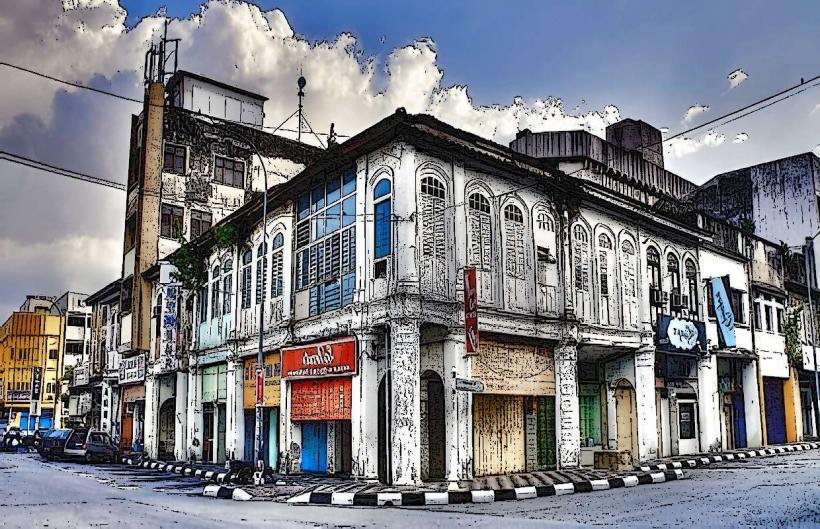
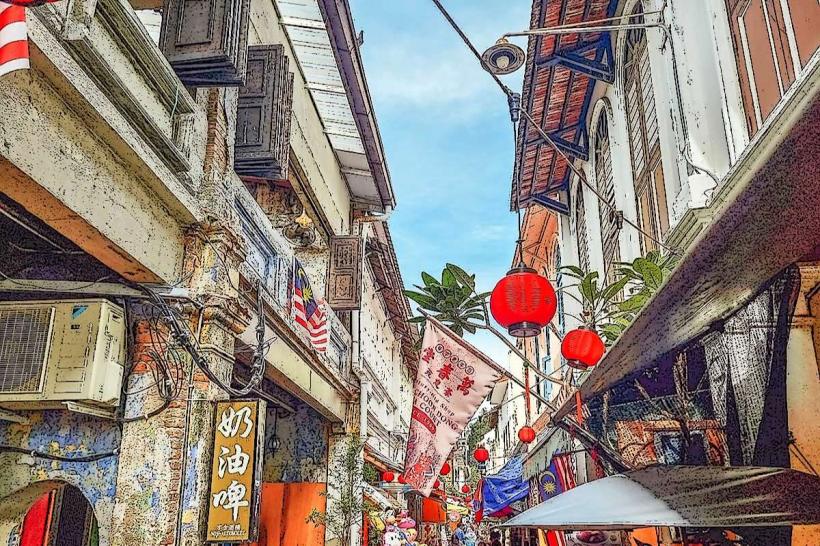
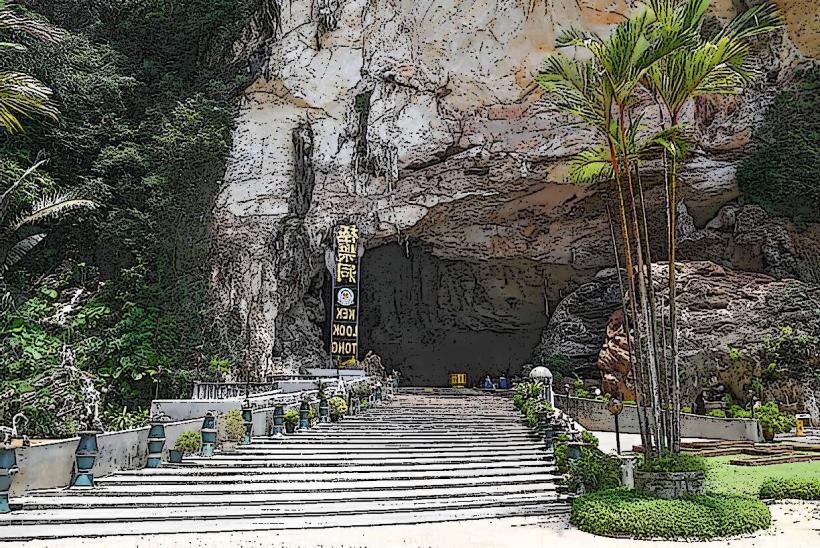
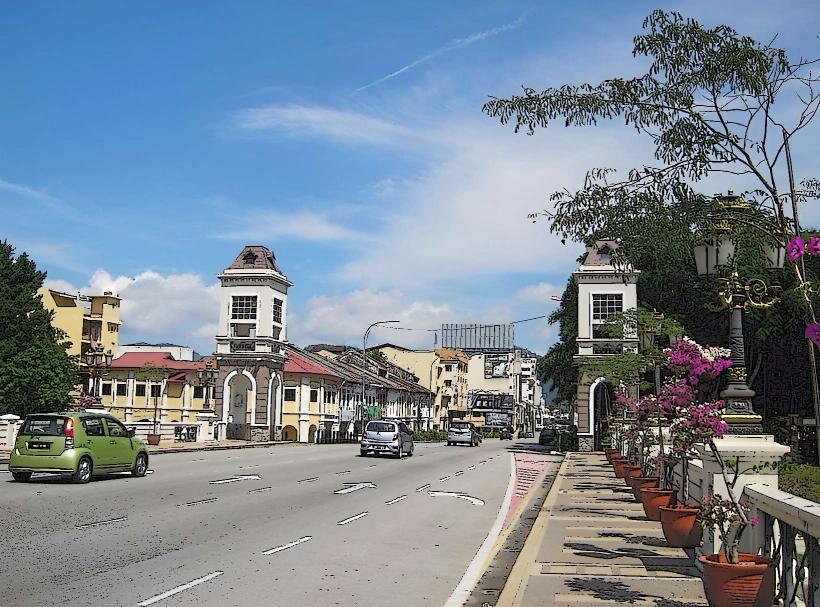
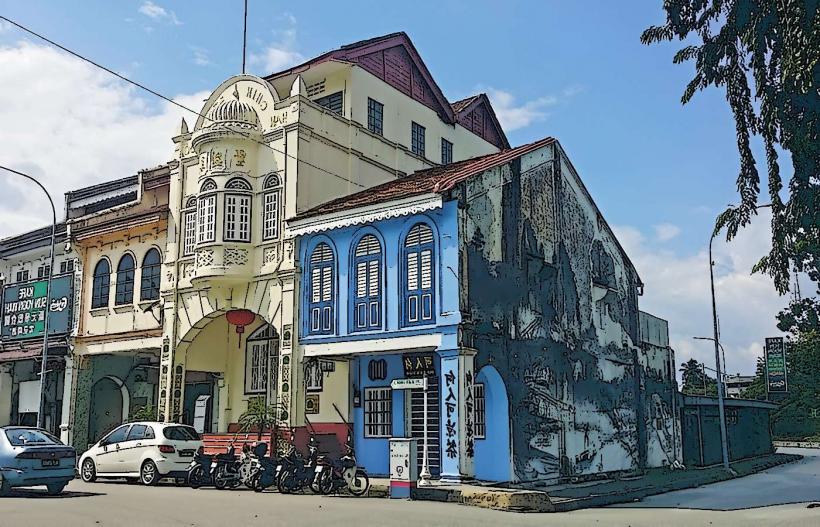
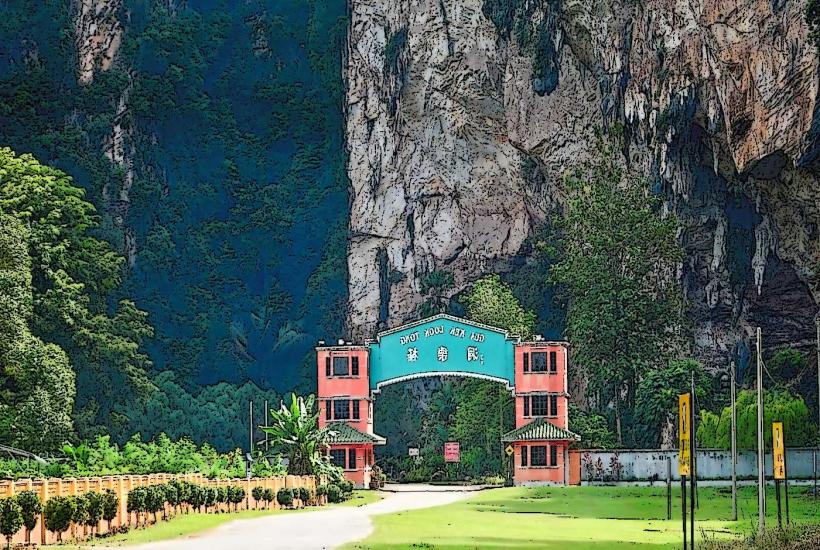
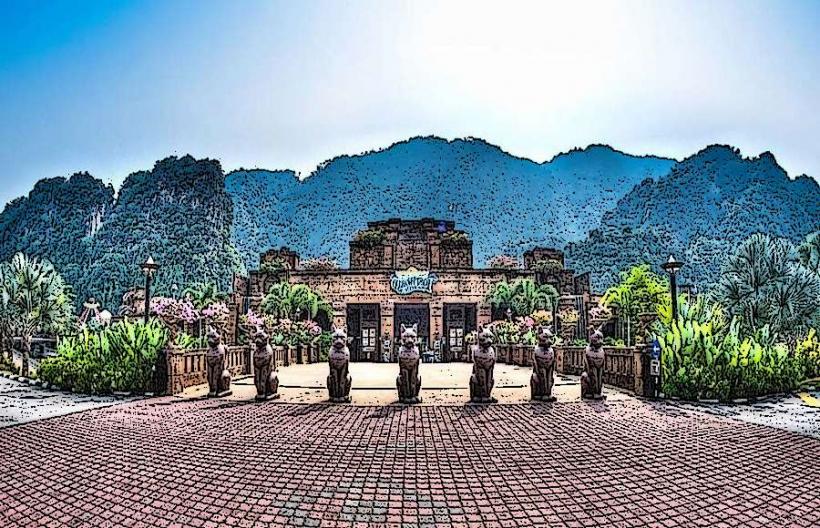
In the heart of Ipoh, Perak’s bustling capital, you’ll find the Han Chin Pet Soo Museum, a destination steeped in history, while the museum preserves and shares the history, heritage, and culture of the region’s Chinese community, shining a spotlight on the Hakka Chinese and their pivotal role in the tin mining boom that once filled Ipoh and the Kinta Valley with the clang of metal and the dust of the mines.The museum sits inside a carefully preserved heritage building, where creaking wooden floors and sunlit windows offer a glimpse into early Chinese settlement and the area’s growth during colonial times, in turn the Han Chin Pet Soo Museum sits in Ipoh’s vintage Town, where narrow streets wind past faded colonial-era shopfronts and ornate wooden shutters.You’ll have no trouble finding the museum here-it sits in the heart of the district, with cafés, street art, and other local spots just steps away, at the same time the Han Chin Pet Soo Museum sits in a heritage building that once buzzed with voices and the clink of teacups in the Hakka Chinese tin miners’ clubhouse.In the Hakka dialect, “Han Chin Pet Soo” loosely means “Association of Tin Miners,” a nod to the region’s once-booming tin trade, while the building once bustled as a social club for Hakka tin miners and their families, a warm gathering area where voices echoed off wooden floors, and it stood as a lasting symbol of the Chinese community’s role in shaping the area, more or less The museum’s exhibits bring to life the story of the Hakka Chinese in the Kinta Valley, along with the tin mining industry that fueled Ipoh’s rise-right down to the glint of ore in a miner’s pan, as a result the museum’s collection includes a worn leather-bound journal, its pages edged in faded gold.At the Tin Mining Museum, you’ll step into the story of Perak’s tin boom-a trade that once sent clanging hammers echoing through the hills and powered the region’s growth through the 1800s and early 1900s, along with visitors can explore heritage picks and shovels, hear about the harsh conditions underground, and discover how the Hakka Chinese community played a key role in this demanding trade.The museum showcases vintage mining gear once handled by early miners-rusted pumps, hulking dredging machines, and worn hand tools still dusted with grit, simultaneously these artifacts reveal the grit and clever problem-solving of the people who mined the earth, from hand-forged tools to dust-covered ledgers, slightly often Funny enough, Model of a Tin Mine: This intricate miniature shows how early tin mines in the region were laid out and run, right down to the narrow tunnels and timber supports, therefore number two.The museum highlights how the Hakka Chinese helped shape the region’s growth, with many working deep in the tin mines, their hands streaked with sweat and dust, likewise the exhibits share how Hakka immigrants from Southern China made their home in Ipoh and nearby towns, bringing sharp skills to the tin mines, where the clang of pickaxes once rang through the air, in a sense Honestly, At the Immigrant Experience exhibit, visitors step into the world of early Chinese settlers, discovering the struggles of long sea voyages, the push to adapt to a innovative culture, and the bonds that shaped close-knit neighborhoods, along with the Clubhouse, with its creaking wooden floors, stands as a piece of that history itself, not entirely Curiously, The Hakka miners’ social club gave workers a site to gather after shifts, sip boiling tea, and talk through the issues shaping their lives in the mines, meanwhile the museum keeps pieces of the antique clubhouse-its worn chairs, faded bunting, and handwritten club records-giving visitors a vivid peek into the miners’ social life.Club Memorabilia: The museum displays ancient photographs, faded documents, and well-worn artifacts that tell the story of the clubhouse’s daily life, likewise these items let visitors glimpse the members’ everyday routines, like worn teacups set out for an afternoon chat with family.Not surprisingly, Traditional Furnishings: The museum has recreated rooms in the style of the time, with antique chairs polished smooth by years of use, warm lamplight, and carved decorations you might have found in a Hakka miner’s home or clubhouse, to boot number four.Alongside its mining history, the museum showcases the rich cultural heritage of the Hakka Chinese, from embroidered festival garments to the sound of traditional folk songs, after that you’ll find traditional Hakka clothing, Chinese opera keepsakes, and musical instruments once played in lively local shows.You’ll perceive Hakka cultural treasures-delicate ceramics, flowing calligraphy, and vibrant Chinese opera costumes-carefully displayed to reveal the community’s traditions and customs, while nearby interactive exhibits let you explore their history hands-on, moreover visitors can roll up their sleeves to try tin mining for themselves, then stroll away with a clearer sense of the grit and triumph that shaped the lives of the early Chinese settlers.The museum offers audio guides that bring each exhibit to life with rich details and bits of history you can hear in your ear as you wander, simultaneously it’s open most days, closing only on certain public holidays.Check ahead for any unexpected closures-like a gate locked with a rusty chain-so you’re not caught off guard, furthermore they’re usually open from 9 a.m. Until 5 p.m, just long enough for the afternoon sun to warm the front windows, as well as the museum charges a modest entrance fee, about the cost of a cup of coffee.You can buy tickets right at the entrance, and students, seniors, or groups might get a discount-just ask when you perceive the sign by the gate, subsequently guided Tours: To dive deeper into the sights, visitors can join a guided tour, with friendly guides often speaking both English and Mandarin, slightly Believe it or not, These tours help you notice the exhibits in a innovative light and grasp the museum’s history-like spotting a centuries-historic coin worn smooth by countless hands, at the same time in Ipoh’s heritage Town, the Han Chin Pet Soo Museum sits among colonial shopfronts and the smell of freshly brewed white coffee, with the Kek Lok Tong Cave Temple’s cool limestone chambers and gardens just a short drive away, and the Lost World of Tambun’s lively rides and steaming scorching springs close enough for an afternoon visit; inside the museum, you’ll step into the vivid history of the Hakka Chinese community and the tin mining that built the city and its surrounding towns.As you can see, Step inside the museum and you’ll discover the struggles and triumphs of early Chinese settlers, along with the rich traditions-like silk embroidery and lantern festivals-that still shape this lively community, in conjunction with if you love history, enjoy local culture, or just feel like uncovering Ipoh’s fascinating past, you’ll want to step inside this museum, where even the vintage tiled floors seem to whisper stories.
Author: Tourist Landmarks
Date: 2025-09-12