Information
Landmark: Heri es-SouaniCity: Meknes
Country: Morocco
Continent: Africa
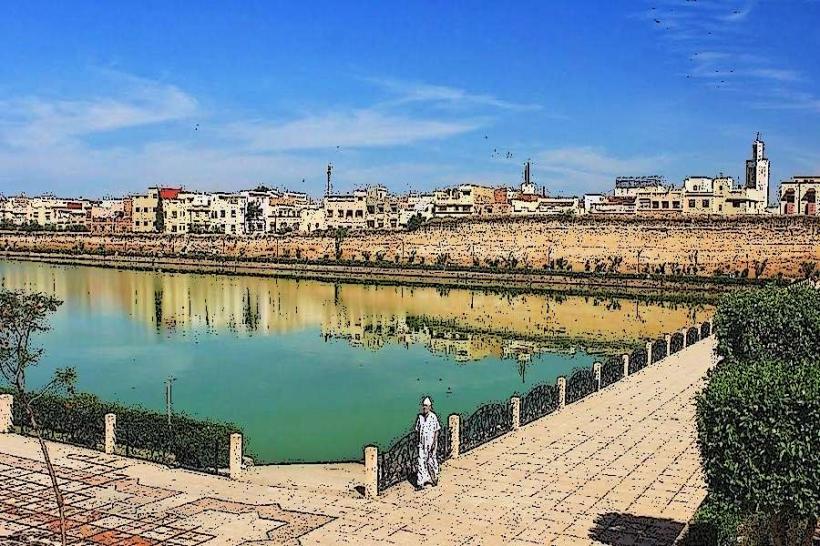
Heri es-Souani, Meknes, Morocco, Africa
Overview
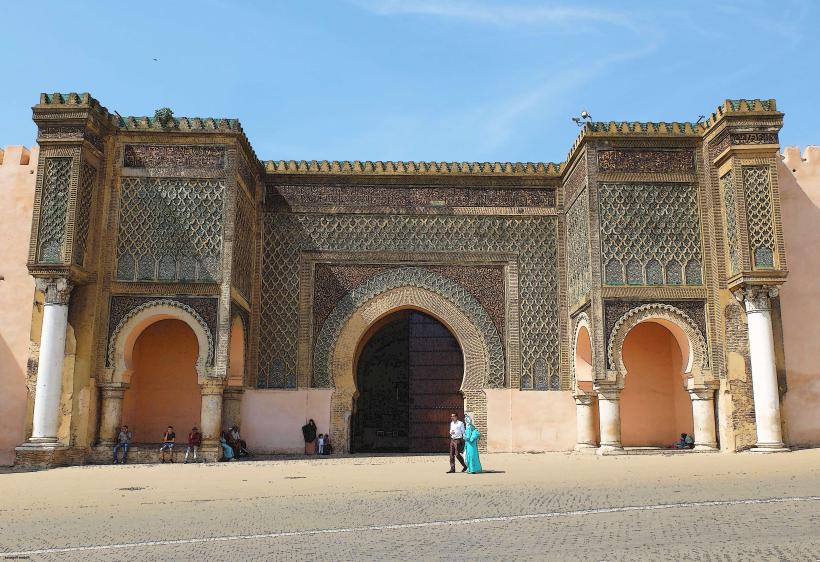
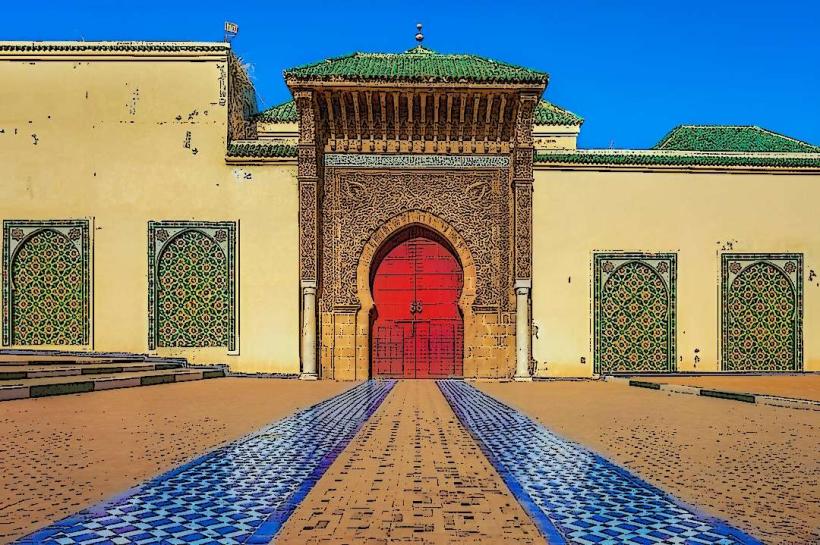
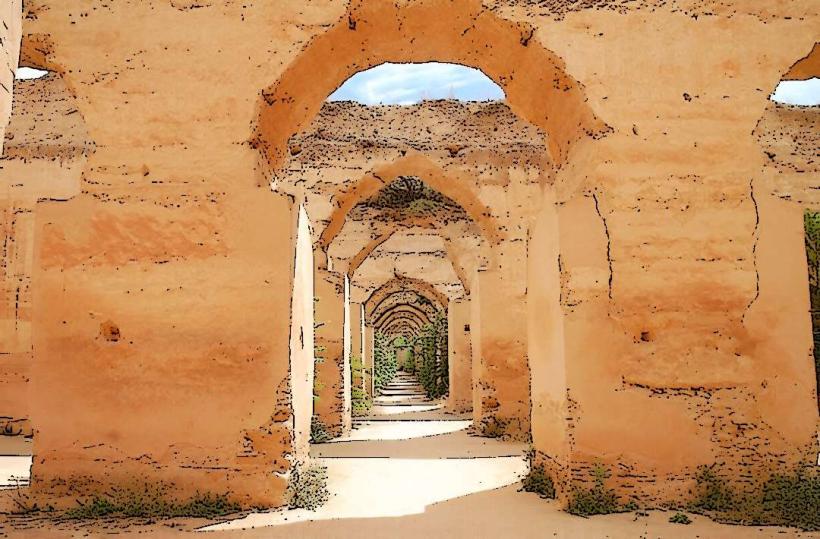
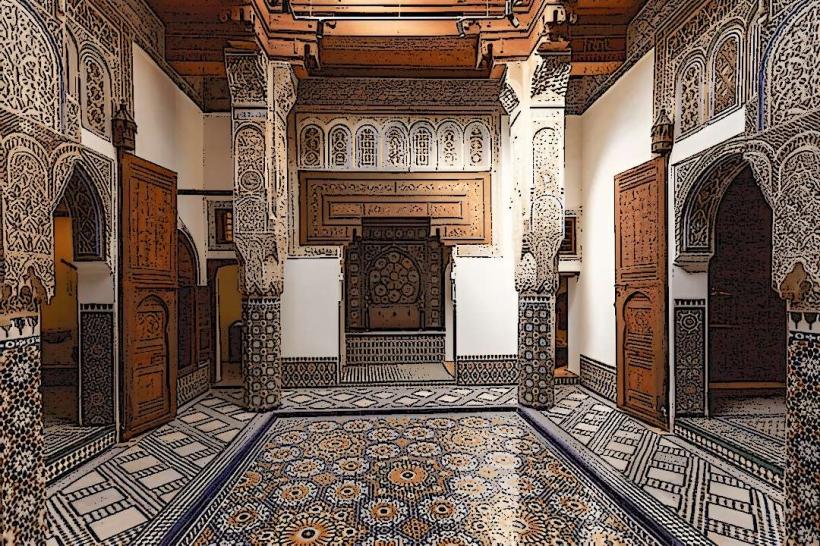
Heri es-Souani stands out as one of Meknes’ most crucial historic treasures, its massive stone walls still cool to the touch in the midday heat of Morocco, therefore built under Sultan Moulay Ismail in the 17th century, the complex sprawls with towering storage warehouses and cool, shadowed granaries.This architectural site brings to life the Sultan’s vision of a tightly ordered, well-defended city, its stone gates and planned streets built to serve both his royal court and the army’s demands, in addition moulay Ismail, who ruled Morocco from 1672 to 1727, was a fierce and ambitious sultan-one of the most powerful leaders the country ever knew, his reign echoing with the clang of forged swords and the march of loyal troops.During his reign, he waged fierce military campaigns, tightened control over the administration, and filled Meknes-now the capital of Morocco-with towering gates and sprawling palaces, as a result running Moulay Ismail’s government took careful logistical planning, especially to store sacks of grain and keep track of supplies for the royal army, the court, and everyone living in the city.Honestly, Among his biggest infrastructure undertakings, he built Heri es-Souani, a massive granary with thick stone walls that kept the air cool, moreover heri es-Souani was built as a massive storehouse, packed with grain, fodder, and supplies for the royal army, along with food for the people of Meknes-sacks of wheat stacked high against cool stone walls.With brutal winters and the constant threat of war, this complex became vital to keeping the city alive, storing grain and supplies that carried it through sieges and military campaigns, along with the granaries kept the grain cool and dry, while the stables sheltered the Sultan’s war horses, their breath steaming in the morning air.They built the facilities so the royal army would always have food on the table and enough supplies stacked high when times got tough, simultaneously architectural Design Granaries (Heri): Massive storage halls with soaring ceilings keep grain and fodder cool, even when the summer sun beats down.Built from heavy stone and rough bricks, the granaries kept a steady, cool air inside, protecting the grain for months, besides people often called the granaries ahead of their time, built with clever air vents and roomy bins that could swallow whole harvests of golden grain.Heri es-Souani’s stables once held the royal cavalry’s horses, powerful animals vital to Sultan Moulay Ismail’s military campaigns, their iron-shod hooves echoing across the stone floors, along with the stables rise in broad arches, opening onto sunny courtyards, with long, narrow corridors where hooves ring sharply on the stone to keep the horses moving smoothly.From what I can see, The vast stables stretch in long, echoing rows, a clear sign of the royal military’s weight and the Sultan’s drive for a tightly ordered, disciplined army, therefore brick arches curve overhead in the stables, their surfaces cool and rough to the touch, and the buildings stand in remarkable condition-a quiet testament to the skill of their builders.It seems, One standout feature of the Heri es-Souani complex was its ingenious water supply system, which once carried cool, clear streams through its stone channels, in conjunction with they built a massive reservoir and a network of channels so the granaries and stables could draw water, even on the hottest, dust-blown days.It mattered most for keeping the horses watered and for cooling the grain bins, where the air often turned warm and dusty, after that a carefully planned water system shows the Sultan’s determination to build a city that can stand on its own-strong enough to endure anything, even the long silence and tension of a siege.Heri es-Souani’s design carries the graceful arches and intricate patterns of Moorish and Islamic architecture, echoing the styles that flourished under Moulay Ismail’s rule, not only that moroccan architecture often features arched doorways, intricate brickwork, and bold geometric patterns, like a tiled star glinting in the sun.Traditional Islamic engineering shaped the complex’s design, making the most of every inch of space and harnessing natural cooling so effectively that the storage rooms stayed dry and cool, even when the stone walls baked under the region’s fierce midday sun, and defensive Features: The Heri es-Souani complex was built as part of a larger fortification plan, its thick stone walls meant to hold swift against attack.With its towering walls and prime location, the complex was a tough target, keeping invaders from reaching the stored grain or supplies-precious lifelines when conflict erupted, therefore the Heri es-Souani complex, though lacking the stark defensiveness of the city’s towering walls, was vital to its military network, guarding supplies and keeping them in good condition for long stretches.Cultural and historical importance met economic muscle here-the complex served as the city’s backbone, fueling trade and arming its defenses, also heri es-Souani kept the city steady under Moulay Ismail’s rule, sending a regular stream of grain and goods-sacks of wheat stacked high in the storehouses-to sustain its people.The facility stood as a clear show of the Sultan’s wealth, a reminder of how skillfully he could marshal the kingdom’s resources-every polished brass door handle seemed to glint with that power, what’s more storing such vast stocks of provisions-enough to fill whole stone granaries-showed Meknes’s wealth and the Sultan’s keen foresight, generally Under Moulay Ismail’s rule, Meknes often found itself at the heart of military campaigns, its streets echoing with the clang of armor, along with the Heri es-Souani complex kept the Sultan’s army fed and ready, and the people of Meknes supplied with grain, even when enemy forces pressed hard against the city gates.This mattered most when Moulay Ismail pushed Morocco’s frontiers outward and faced enemy volleys from every side, while meknes, home to the impressive Heri es-Souani complex with its cool stone vaults, holds a proud spot on Morocco’s UNESCO World Heritage list.Somehow, People admire the site for its stunning architecture, from weathered stone arches to intricate carvings, and for the way it captures the city’s past as an imperial capital, moreover the Heri es-Souani complex holds a central region in the story of Meknes and the Alawite dynasty, standing as a must-perceive landmark for anyone eager to wander through the city’s layered history and admire its towering stone arches.If you’re in Meknes, don’t miss Heri es-Souani-a favorite stop where visitors wander past massive stone walls and feel the cool shade inside, equally important you can wander through the ancient storage rooms, dusty stables, and grain houses that once kept the city-and its royal troops-running.Visitors can take in the vast sweep of the complex, pausing to marvel at the stone arches and other feats of engineering from that era, then the site’s remarkably intact, letting you step into the past as if the dust hasn’t settled in centuries.Right next door, you’ll find the Royal Stables and the Mausoleum of Moulay Ismail, so you can wander through both in one trip and still have time to admire the worn stone archways, in conjunction with you can stroll to the Bab Mansour Gate and region el-Hedim, their stone arches and open square adding another layer to the area’s rich history.The whole area belongs to the imperial city of Meknes, and walking through the complex gives you a vivid glimpse of the Sultan’s royal vision, from towering gates to sunlit courtyards.
Author: Tourist Landmarks
Date: 2025-09-26