Information
Landmark: Hinton Historic DistrictCity: Hinton
Country: USA West Virginia
Continent: North America
Hinton Historic District, Hinton, USA West Virginia, North America
The Hinton Historic District is a designated area within the city of Hinton, West Virginia, preserving a collection of historically significant structures.
It encompasses a portion of the city's downtown core, reflecting its development as a railroad and river port.
Visual Characteristics
The district features a concentration of late 19th and early 20th-century commercial and residential buildings. Architectural styles include Queen Anne, Italianate, and Colonial Revival. Materials commonly observed are brick, stone, and wood. Building heights generally range from two to four stories. Many structures retain original detailing such as decorative cornices, pressed metal facades, and large display windows on ground floors.
Location & Access Logistics
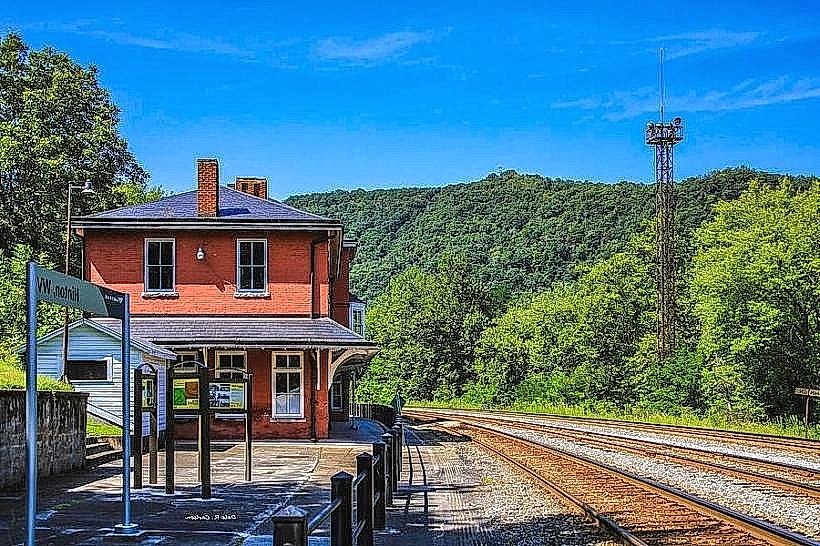
The Hinton Historic District is situated in the central business district of Hinton, West Virginia. It is accessible via U.S. Route 19 (James Street) and West Virginia Route 3. The district is approximately 0.5 km from the confluence of the New River and Greenbrier River. On-street parking is available along various streets within the district, with limitations during business hours. The Hinton Amtrak station is located at the southern edge of the district, providing rail access. Local bus services may operate within the city, with stops near the district's perimeter.
Historical & Ecological Origin
The district's development is intrinsically linked to the Chesapeake & Ohio Railway's expansion in the late 19th century, which established Hinton as a significant division point and repair facility. Construction of many buildings occurred between 1880 and 1930, serving the needs of the growing railroad community and river trade. The area's ecological context is defined by its proximity to the New River and Greenbrier River valleys, characterized by Appalachian topography.
Key Highlights & Activities
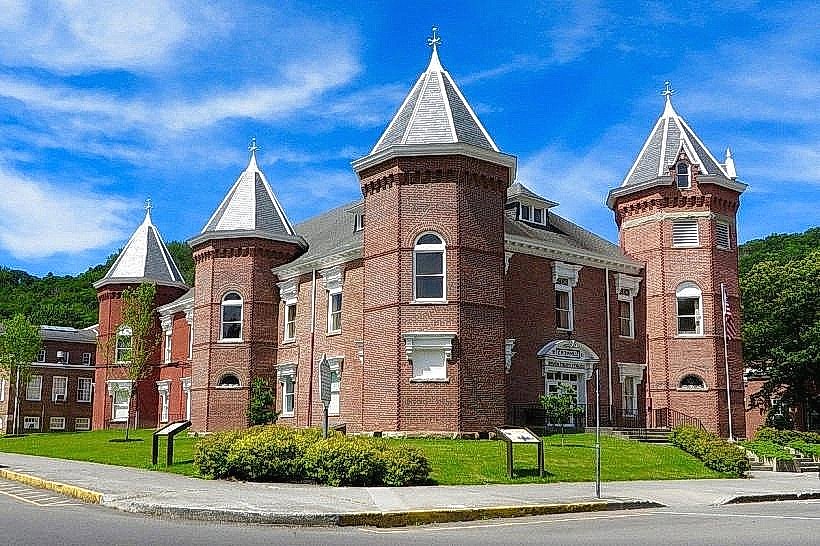
Exploration of the district involves walking tours to observe architectural details. The Hinton Railroad Museum, located within the district, offers exhibits on local railway history. Visits to the historic courthouse and other municipal buildings are possible. Shopping at local businesses housed in historic storefronts is an available activity.
Infrastructure & Amenities
Restrooms are available in public buildings and some commercial establishments. Shade is provided by awnings and trees along sidewalks. Cell phone signal (4G/5G) is generally available within the district. Food vendors and restaurants are located within the district and immediately adjacent areas.
Best Time to Visit
For optimal lighting on building facades, early morning or late afternoon is recommended. The months of April through October generally offer the most favorable weather conditions for outdoor exploration. Weekday business hours are when most shops and services are operational.
Facts & Legends
A notable historical fact is that Hinton served as a critical logistical hub for the C&O Railway, employing thousands of workers at its peak. The town's strategic importance during periods of industrial growth is well-documented. A local legend suggests that some of the older buildings may have secret passages used during Prohibition, though this remains unverified.
Nearby Landmarks
- Chesapeake & Ohio Railway Depot (0.2km South)
- Hinton City Hall (0.3km West)
- Brooks Memorial Library (0.4km Northwest)
- New River & Greenbrier River Confluence (0.5km East)
- Hinton Veterans Memorial Park (0.6km Southwest)