Information
Landmark: House of SampoernaCity: Surabaya
Country: Indonesia
Continent: Asia
House of Sampoerna, Surabaya, Indonesia, Asia
House of Sampoerna
The House of Sampoerna is a fascinating museum and cultural center located in Surabaya, East Java, Indonesia. It provides an in-depth look at the history of Indonesia’s most iconic kretek (clove cigarette) brand, Sampoerna, while showcasing the heritage and lifestyle associated with the cigarette industry. Housed in a historic colonial-era building, it’s one of Surabaya’s top attractions and a must-visit for history enthusiasts.
Overview
- Name: House of Sampoerna (Museum Sampoerna).
- Location: Taman Sampoerna No. 6, Surabaya, East Java, Indonesia.
- Established: 2003.
- Type: Museum and cultural center focused on the kretek industry and the Sampoerna legacy.
- Owner: PT HM Sampoerna Tbk., a subsidiary of Philip Morris International.
History
The building was originally constructed in 1862 as an orphanage managed by the Dutch. In 1932, it was acquired by Liem Seeng Tee, the founder of Sampoerna, who turned it into a cigarette production facility. Today, it serves as a museum, cultural center, and working factory.
Key Highlights and Features
1. Museum Exhibits
The museum chronicles the history of the Sampoerna company, Indonesia's kretek cigarette industry, and the family behind it. Key exhibits include:
- Liem Seeng Tee’s Story: The life of the Sampoerna founder, including his journey as an immigrant from China who started a small business that became a household name.
- Kretek History: A detailed look at the evolution of kretek cigarettes, blending cloves and tobacco, a distinctive Indonesian product.
- Artifacts and Memorabilia: Displays of antique cigarette-making equipment, early advertising materials, and personal items belonging to the Sampoerna family.
- Packaging Evolution: Examples of the packaging styles over the decades, reflecting changes in branding and marketing.
2. Cigarette Production Floor
Visitors can observe the live production process of Sampoerna’s hand-rolled cigarettes on the second floor of the museum. The floor houses over 300 women workers, known for their speed and precision in rolling and packing cigarettes by hand. They can roll up to 325 cigarettes per hour, an impressive feat of craftsmanship.
3. Colonial Architecture
The building itself is an architectural gem, featuring Dutch colonial-style design with high ceilings, grand pillars, and ornate details. The red brick exterior and white-painted columns add to its charm.
4. Gallery and Art Space
The museum includes a gallery and art space that regularly hosts temporary exhibitions, showcasing local art, photography, and cultural works.
5. Café and Gift Shop
- Café: The on-site café offers a selection of beverages and light snacks in a cozy environment. It’s a great place to relax after exploring the museum.
- Gift Shop: The gift shop sells unique souvenirs, including Sampoerna-branded merchandise, Javanese crafts, and local food products.
Cultural Significance
- Kretek Heritage: Kretek cigarettes hold a special place in Indonesian culture, symbolizing a blend of traditional and modern influences. The museum provides insights into the cultural importance of kretek in Indonesian society.
- Economic Impact: The cigarette industry has played a significant role in Indonesia's economy, employing thousands and contributing to the country’s cultural exports.
Practical Information
1. Location
- Address: Taman Sampoerna No. 6, Surabaya, East Java.
- Distance: About 10 minutes from Surabaya’s city center.
2. Opening Hours
- Open daily: 9:00 AM to 6:00 PM.
- Live production tours are usually available during working hours, Monday to Saturday.
3. Admission
- Free entry: There is no admission fee to visit the museum.
- Guided tours are available, often included for free or at a minimal cost.
4. Facilities
- Wheelchair accessibility is available.
- Parking is provided for visitors.
5. Transportation
- Easily accessible by car, taxi, or local transport. Ride-hailing apps like Gojek and Grab also operate in the area.
Nearby Attractions
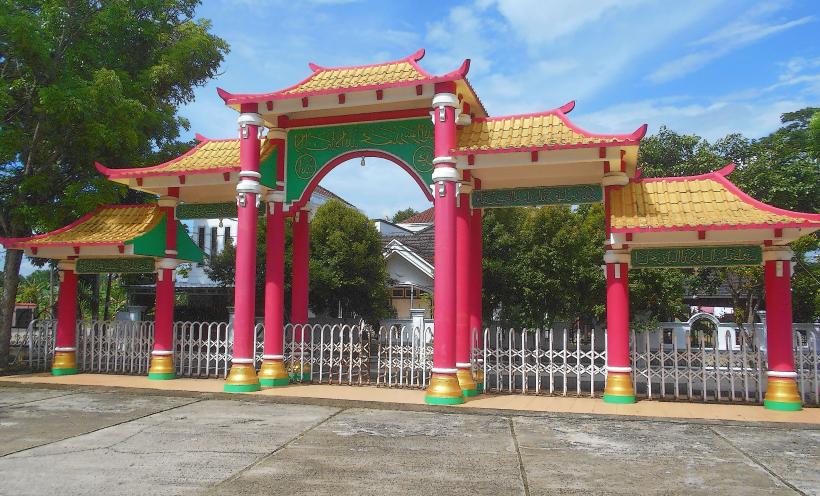
- Cheng Hoo Mosque: A unique mosque with Chinese architectural influences.
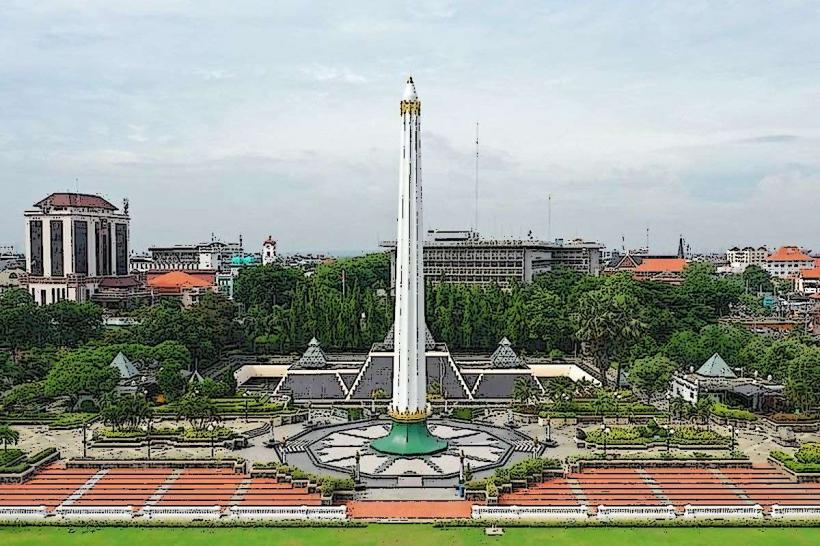
- Surabaya Heroes Monument (Tugu Pahlawan): A significant historical site commemorating the Battle of Surabaya.
- Arab Quarter (Ampel): Known for its vibrant markets and cultural heritage.
Why Visit the House of Sampoerna?
- Historical Insight: Learn about Indonesia’s kretek industry and the Sampoerna legacy.
- Live Production: Witness traditional cigarette production methods still in practice today.
- Architectural Beauty: Admire the well-preserved colonial-era building.
- Free Admission: A high-quality cultural experience at no cost.
- Cultural and Artistic Appeal: Explore rotating exhibitions and local art displays.
Conclusion
The House of Sampoerna is not just a museum but a journey through Indonesia’s industrial and cultural history. It blends education, craftsmanship, and heritage in a beautifully preserved setting. Whether you're a history enthusiast, an architecture lover, or simply curious about Indonesian culture, this destination offers a rich and memorable experience.