Information
Landmark: Basilica Minore del Santo Niño de CebuCity: Cebu City
Country: Philippines
Continent: Asia
Basilica Minore del Santo Niño de Cebu, Cebu City, Philippines, Asia
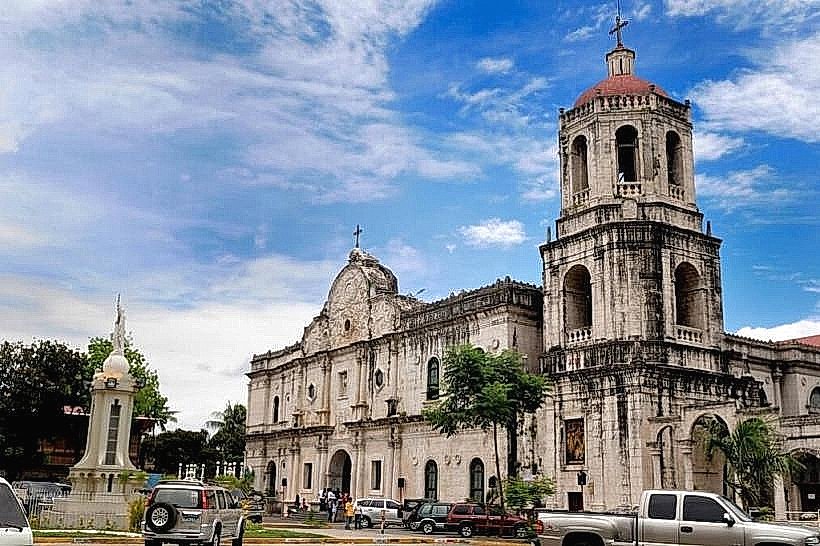
The Basilica Minore del Santo Niño de Cebu is the oldest Roman Catholic church in the Philippines. It is located in downtown Cebu City and is considered the birthplace of Christianity in the country.
Visual Characteristics
The basilica features a blend of Romanesque, Muslim, and Neoclassical architectural styles. It is built with coral stone and features a massive belfry and a central dome. The interior is known for its intricate gold altarpieces (retablos), ornate ceiling paintings, and the central niche housing the original statue of the Santo Niño. The complex includes a large open-air Pilgrim Center facing the church facade.
Location & Access Logistics
Address: Pilgrim’s Center, Osmeña Blvd, Cebu City, 6000 Cebu.
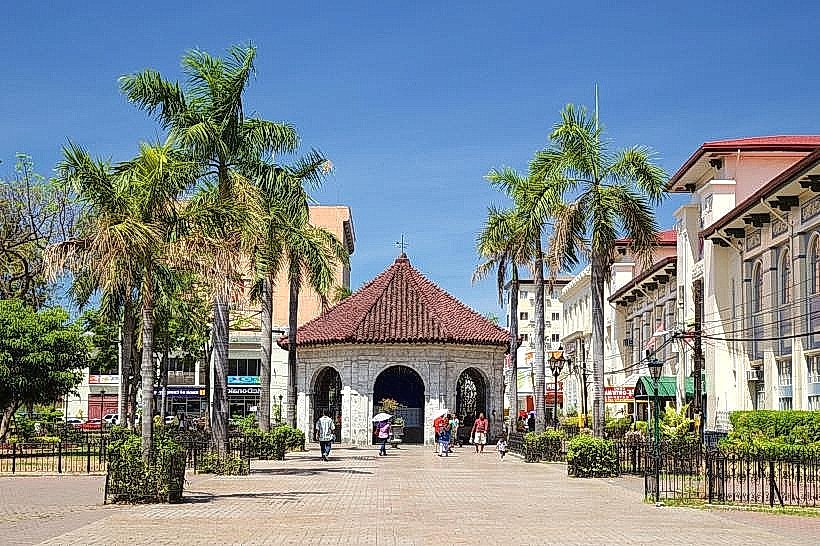
Access: Located in the heart of Cebu's historic district, adjacent to Magellan's Cross.
Transport: Highly accessible via any jeepney heading to "Downtown" or "Colon." Taxis and ride-sharing services are pervasive in the area.
Entry: Admission to the church is free. Visitors must adhere to a strict dress code (no shorts or sleeveless tops; wraps are often available for rent or borrow).
Historical & Ecological Origin
The church was founded in 1565 by Fray Andrés de Urdaneta and Miguel López de Legazpi on the site where the image of the Santo Niño was found in a partially burned hut. The current stone structure was completed in 1739. It was designated a Minor Basilica by Pope Paul VI in 1965 during the 400th anniversary of the Christianization of the Philippines.
Key Highlights & Activities
Veneration of the Santo Niño: The primary activity is queuing to touch or pray before the 16th-century Flemish statue of the Child Jesus, the oldest religious relic in the country.
Pilgrim Center: An outdoor plaza where large-scale masses are held, especially on Fridays and during festivals.
Basilica Museum: Located within the convent, it houses antique religious artifacts, vestments, and jewelry offered to the Santo Niño over centuries.
Candle Lighting: Devotees light red candles in the outdoor designated areas as a form of petition or gratitude.
Infrastructure & Amenities
The compound includes a parish office, a museum, and a gift shop selling religious items. Public restrooms are located near the Pilgrim Center. The area is flat and paved, though the church interior can become extremely crowded. 5G cellular coverage is reliable.
Best Time to Visit
The basilica is open daily from 06:00 to 19:00. Fridays are traditional days of devotion, and the church is exceptionally crowded. The peak period is the third week of January during the Sinulog Festival. Visit on a weekday morning for a quieter experience.
Facts & Legends
The Santo Niño statue was a gift from Ferdinand Magellan to Hara Humamay (Queen Juana) in 1521. Legend says the statue is miraculous and survived several fires and bombings throughout history, including the destruction of the city during World War II.
Nearby Landmarks
Magellan's Cross: 0.1 km South
Cebu City Hall: 0.2 km West
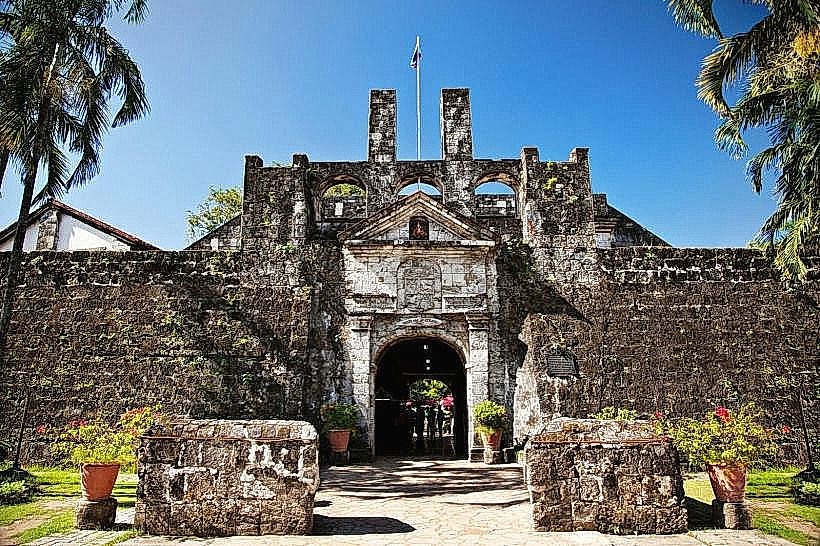
Fort San Pedro: 0.6 km Southeast
Colon Street: 0.5 km North