Information
Landmark: 1730 Jesuit House (Museo de Parian)City: Cebu City
Country: Philippines
Continent: Asia
1730 Jesuit House (Museo de Parian), Cebu City, Philippines, Asia
The 1730 Jesuit House, also known as Museo de Parian, is a historic residence located in the Parian district of Cebu City. It is a unique "museum within a warehouse," as the ancient structure is preserved inside a modern industrial building.
Visual Characteristics
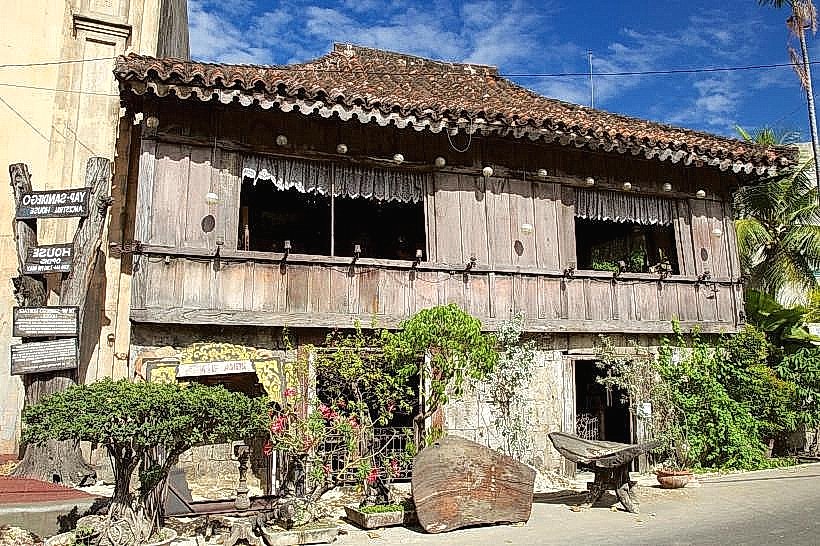
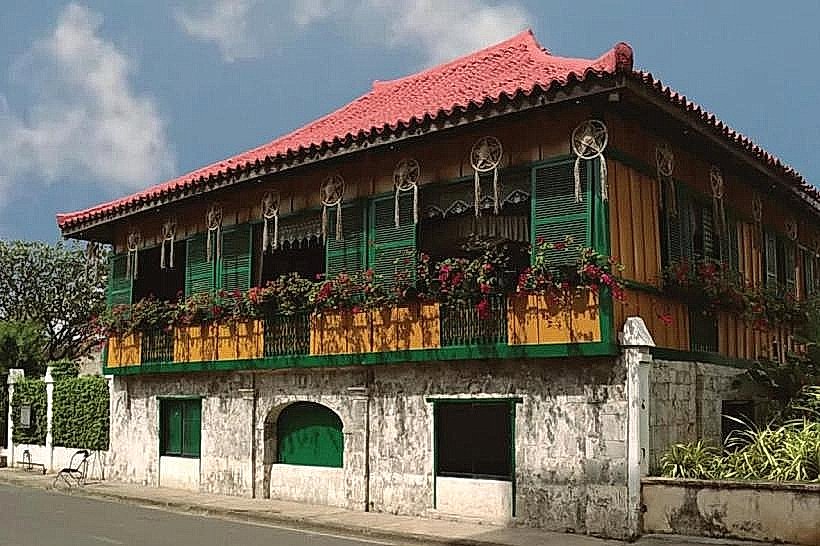
The house is a two-story structure featuring the classic bahay na bato design. It has thick coral stone walls on the ground floor and an upper floor made of heavy timber. The roof is composed of original terracotta tiles. A notable feature is the 1730 date carved into a relief above the main entrance. The interior showcases exposed coral stone, antique woodwork, and various archaeological finds discovered on-site.
Location & Access Logistics
Address: 26 Zulueta St, Cebu City, 6000 Cebu.
Access: Located inside the Ho Tong Hardware compound. Visitors must enter through the hardware store's gate.
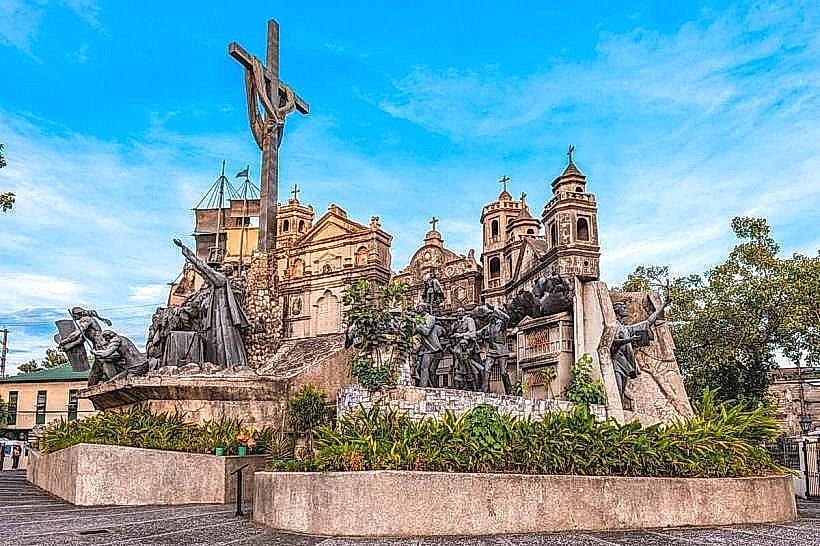
Transport: Accessible via jeepneys heading to Parian or Colon. It is a short walk from the Heritage of Cebu Monument. Taxis and ride-sharing services are the most convenient for direct drop-off.
Entry: Admission requires an entrance fee.
Historical & Ecological Origin
Built in 1730, the house served as the residence of the Jesuit superior in Cebu. Following the expulsion of the Jesuits from the Philippines in 1768, it passed through several owners, including the Alvarez and Sy families. The current owners, the McGills, discovered the historical significance of the structure while managing their family hardware business. It is one of the few surviving examples of Jesuit architecture from that era in the Philippines.
Key Highlights & Activities
Historical Tour: Visitors can see the transition of the house through different periods-Jesuit residence, American-era home, and modern hardware warehouse.
Archaeological Finds: Displays include ceramics, coins, and household items unearthed during the house's restoration.
Architectural Observation: Close-up views of the 18th-century construction techniques, including the use of coral stone and wooden pegs.
Infrastructure & Amenities
The museum provides a guided tour upon entry. Because it is housed inside a hardware warehouse, the environment is industrial but sheltered. Public restrooms are available. 5G cellular coverage is excellent.
Best Time to Visit
Operating Hours: Monday to Saturday, 08:00 to 16:00. Closed on Sundays.
Timing: Visit in the morning to avoid the peak heat and potential warehouse activity.
Facts & Legends
The house is considered one of the oldest dated houses in the Philippines due to the "1730" carving. It was used as a headquarters by the Japanese during World War II, and local stories suggest that hidden tunnels once existed beneath the house, connecting it to other colonial buildings in the Parian district.
Nearby Landmarks
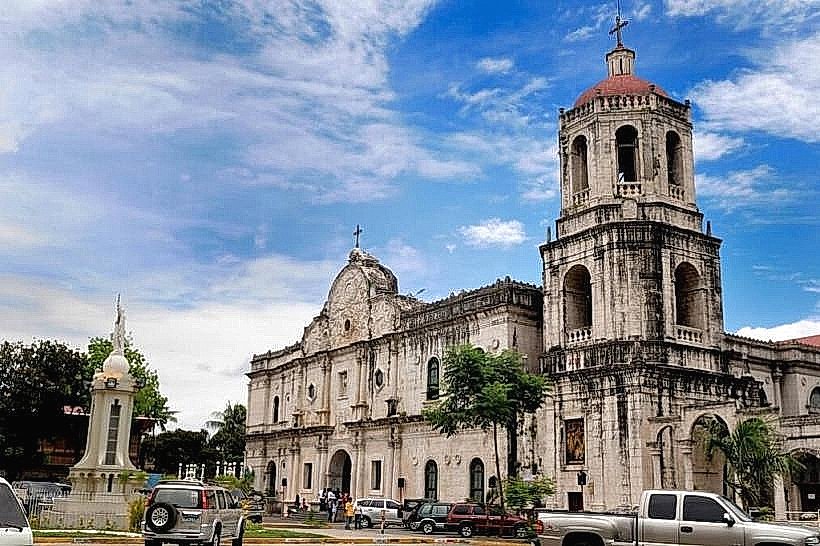
Heritage of Cebu Monument: 0.15 km South
Yap-Sandiego Ancestral House: 0.2 km South
Casa Gorordo Museum: 0.1 km North
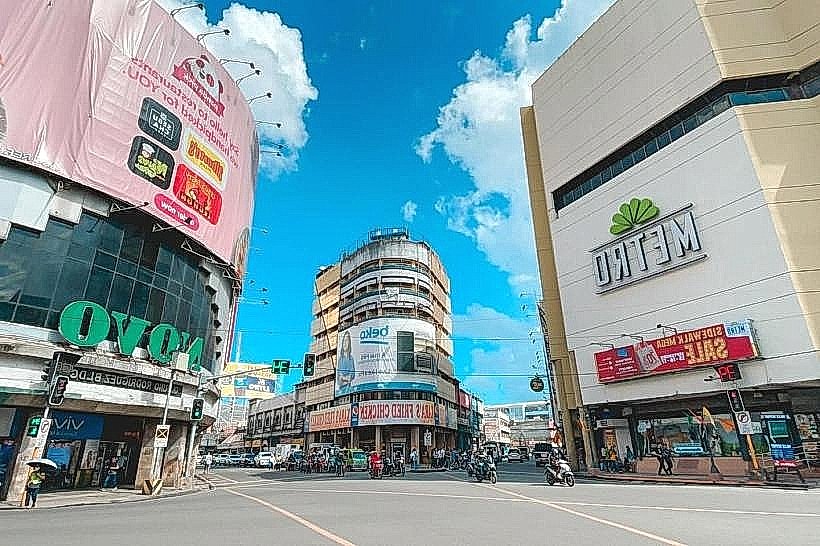
Colon Street: 0.4 km West