Information
Landmark: Hradec CastleCity: Cesky Krumlov
Country: Czech Republic
Continent: Europe
Hradec Castle, Cesky Krumlov, Czech Republic, Europe
Overview
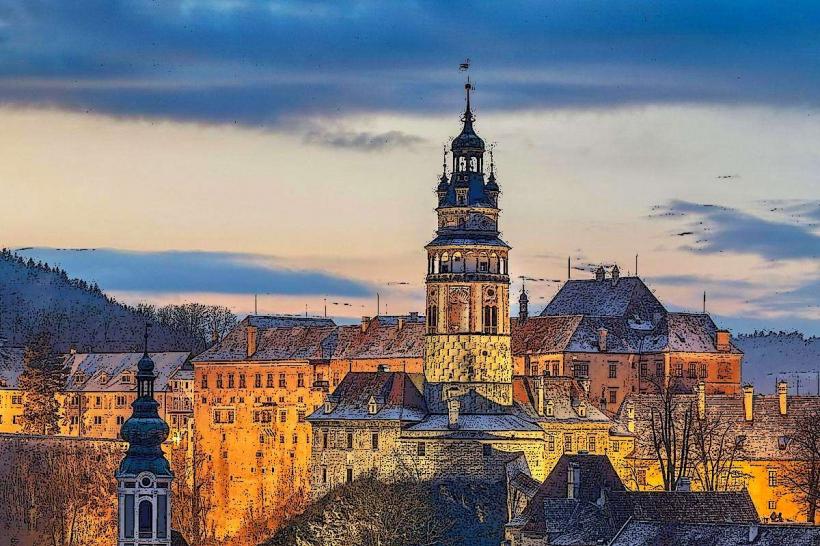
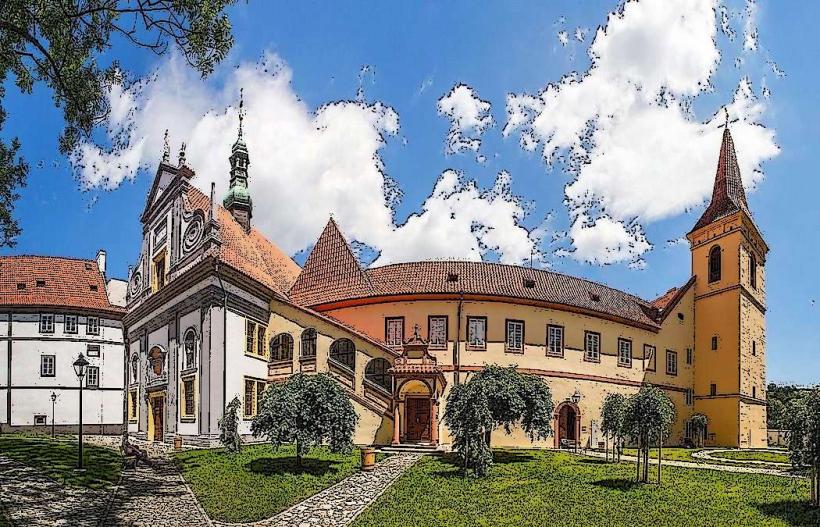
Hradec Castle, known in Czech as Hradecký hrad, rises in the heart of Hradec Králové, a historic town in the country’s eastern region, moreover for centuries, the castle has stood as a cornerstone of the region’s history and design, its stone walls witnessing royal processions and shaping the legacy of kings and nobles alike.Funny enough, Today, the castle stands as a cultural and historical landmark, drawing visitors who come to admire its towering stone walls, medieval design, and deep ties to the region’s heritage, then hradec Castle’s story begins in the 13th century, when builders first raised its stone walls as a sturdy fortress.Oddly enough, King Přemysl Otakar II built the castle to tighten his grip on the region, its stone walls rising above the fields as a show of royal power, meanwhile the castle was first built to protect Hradec Králové and keep watch over the key roads winding through the region.I think, Royal Connections: Over the centuries, the castle has tied its fate to kings, queens, and noble houses, its stone halls once echoing with the rustle of silk gowns, therefore after the 15th century, it mostly served as a home for Bohemian kings, and later for noble families, its halls echoing with the soft tread of servants, under certain circumstances As far as I can tell, During the Middle Ages, the castle rose in importance as it became home to powerful feudal lords and the hub of local rule, its stone halls echoing with the clatter of armor, as a result by the 16th century, the castle’s walls were crumbling, its halls growing silent, as modern military technology made it obsolete and grand Renaissance and Baroque fortresses began dominating the region.Over the years, neglect wore the castle down; ivy crept over crumbling walls, and much of its original stonework was torn out or left to rot, equally important hradec Castle’s heart rests on Gothic foundations, and you can still spot stretches of those centuries-historic stone walls today.I think, They built the fortress to hold off any army, wrapping it in thick stone walls and guarding it with tall towers and a deep, still moat, after that during the Renaissance, the castle transformed, gaining graceful arches and ornate façades as innovative Renaissance-style buildings and details took shape.During this time, fortresses gave way to grander homes, their stone walls softened by carved windows and flowering courtyards, mirroring the nobility’s changing tastes and growing desire for comfort, as a result in the 17th century, the castle changed once more, this time shaped by the ornate curves and gilded flourishes of the Baroque style.They added decorative facades, set in ornate windows that caught the light, and built sweeping Baroque gardens that wrapped around the castle, not only that during this time, the castle shifted from guarding the walls to hosting lavish dinners, feeling more like a grand home than a fortress.Today, Hradec Castle blends medieval stonework, Renaissance arches, and Baroque flourishes, creating a character that feels steeped in centuries of history, likewise some of the original buildings still stand, their stone walls weathered smooth by time, while others have been carefully restored to match the styles and uses of different eras.Castle Keep: At the heart of the complex stands the keep, its weathered stone walls marking it as the oldest part of the castle, not only that its thick walls and scarce windows give it a fortress-like feel, built to keep people risk-free when trouble comes.The keep also served as the center for key administrative work, where scribes scratched notes onto parchment by lamplight, simultaneously the castle complex has several towers-some once bristled with archers on watch, while others held living quarters or grand halls for ceremonies.The castle’s towers stand out as some of its most recognizable landmarks, and from their heights you can view rolling hills stretching for miles, consequently castle Courtyards: The setting holds several courtyards, from a quiet garden where ivy creeps up the walls to open squares once used for bustling markets.People gathered in the main courtyard for daily tasks-hauling water, mending nets-while the inner courtyard held the living quarters and the rooms where official business was handled, then today, visitors can wander the courtyards, where lanterns hang overhead and music drifts from petite gatherings and exhibitions, to some extent Palace and Residential Areas: During the Renaissance and Baroque periods, the castle was transformed to include elegant living quarters, where nobles enjoyed greater comfort-velvet drapes, warm hearths, and a touch of luxury, also these rooms brim with period furniture, oil paintings, and tiny relics that whisper of the past.I think, Castle Gardens: The castle sits amid Baroque grounds, trimmed and shaped with the precision of the 17th century’s love for elaborate design, where clipped hedges catch the afternoon light, to boot these gardens invite you to wander at an easy pace, with quiet paths and the soft scent of jasmine drifting through the air.In medieval Bohemia, Hradec Castle stood at the heart of events, its stone towers witnessing key moments in the region’s history, besides it was both a royal home and a fortress, perched to command the flow of goods and troops along the dusty roads that cut through the region.Just so you know, Noble Residence: Over the centuries, the castle sheltered many noble families, among them the powerful Rosenbergs, whose influence shaped Bohemia’s history like the steady toll of a cathedral bell, as a result because it served as a noble residence, the castle grew into a location of carved stone halls and high arched windows, shaping not only its architecture but also the region’s cultural life.Hradec Králové, among the oldest towns in Czechia, rose in prominence beside its castle, whose stone walls once caught the morning sun, equally important the castle stood at the heart of the town, shaping its rise as a center of politics, culture, and faith, its stone walls casting long shadows over the marketplace.Funny enough, The town’s story and its past are woven together so tightly that you can almost hear the echo of heritage church bells in its significance, subsequently today, Hradec Castle stands as a proud emblem of Hradec Králové, its stone walls and tall towers woven into the heart of the town’s cultural heritage.It’s tied deeply to the town’s history, standing as a proud symbol of traditions passed down for generations-like the worn stone steps leading to the aged market square, in conjunction with these days, Hradec Castle draws crowds as one of Hradec Králové’s top sights, with its stone towers catching the afternoon light.The castle welcomes visitors to wander through its courtyards, climb the towers, stroll the gardens, and step inside rooms restored and furnished to echo the many eras it has seen-like a sunlit hall set with heavy oak tables from centuries past, in turn cultural Events and Exhibitions: More than a relic of the past, the castle hosts lively concerts and art shows that fill its stone halls with music and color.It hosts art shows, live concerts, and stage plays, filling the space with music, color, and energy for everyone who walks through the door, also the castle hosts lively historical reenactments and bustling festivals, filling its stone halls with the color and clang of medieval life.In recent years, the castle’s been carefully restored-stone walls cleaned, worn steps repaired-so its history stays intact while it’s adapted for life today, in addition they’ve worked to rebuild the castle’s medieval foundations, keeping the Renaissance arches and Baroque carvings that give the area its soul.Hradec Castle sits just a short amble from the heart of Hradec Králové, so visitors can reach its gates in minutes, on top of that travelers often pause at the castle, drawn by the town’s layered history and colorful traditions, from centuries-historic stone walls to the faint scent of beeswax in the chapel.You can buy tickets to enter the castle, and some options even cover a guided tour with the scent of historic stone lingering in the halls.
Author: Tourist Landmarks
Date: 2025-08-29