Information
Landmark: Huaytapallana GlacierCity: Junin
Country: Peru
Continent: South America
Huaytapallana Glacier, Junin, Peru, South America
Overview
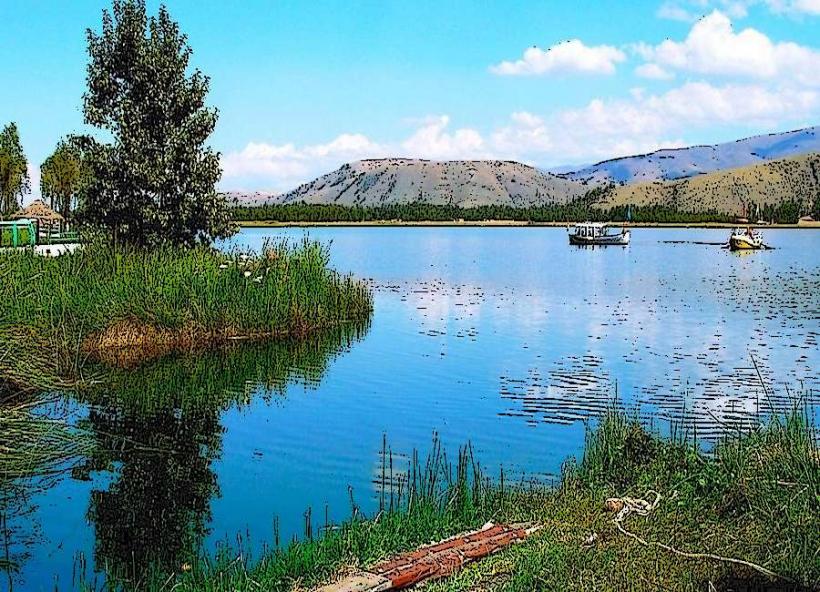
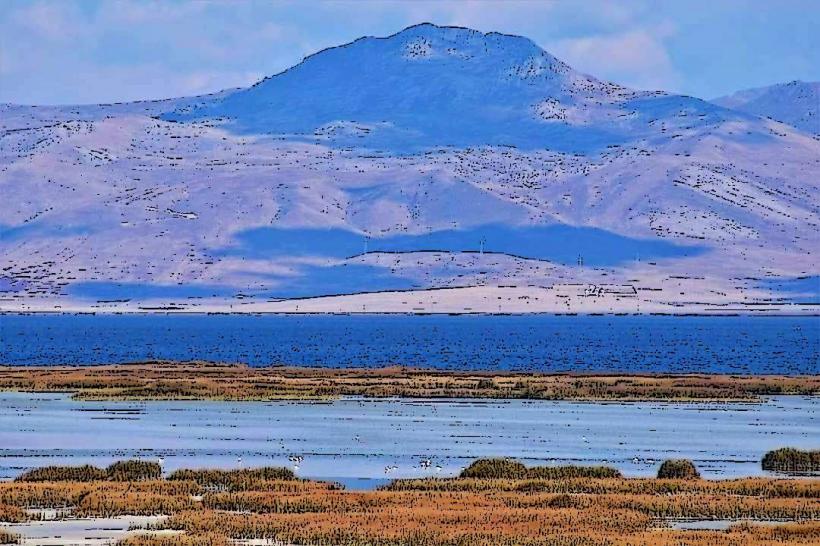
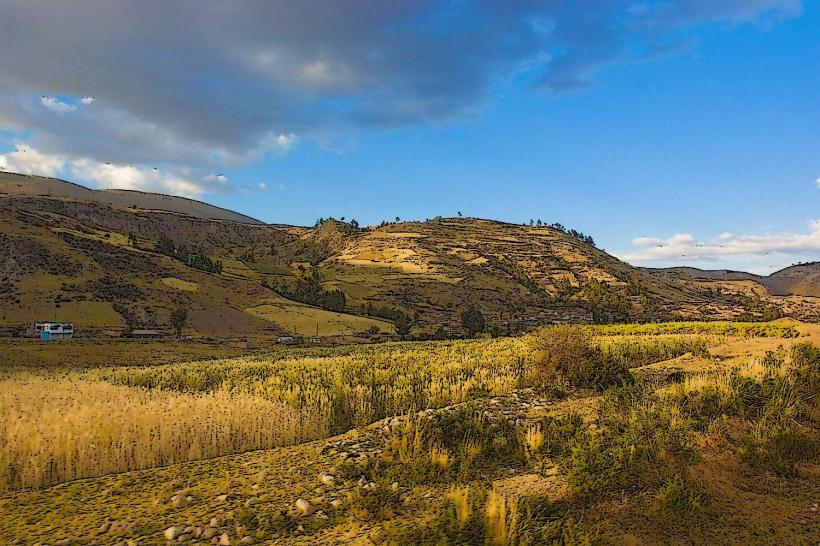
In central Peru’s Junín region, the Huaytapallana Glacier stands as a striking landmark, its white peaks catching the morning sun, and it holds deep cultural meaning for the communities who live beneath its shadow, alternatively this glacier sits high in the Huaytapallana range, deep in the central Andes where the air is thin and sharp.The Huaytapallana Glacier lies in Junín province, tucked within the Huancayo district about 25 kilometers (16 miles) southeast of the city of Huancayo, the region’s capital, where thin mountain air carries the scent of wet stone, in turn it’s part of the central Andes, rising to about 5,556 meters (18,226 feet), where the air feels thin and sharp.You can get to the glacier from Huancayo by hopping on public transport or driving your own car, as well as getting there’s simple enough, but the drive takes you up steep mountain roads that twist past cliffs and pine trees.You’ll need to hike through rugged mountain trails to reach the glacier’s base, where the air smells sharp and frosty; the Huaytapallana Glacier rests on the eastern face of Mount Huaytapallana, one of the tallest peaks in the area, while though it’s shrunk a great deal in recent decades from climate change, the mountain still commands attention, its white slopes glinting in the sun beside jagged ridges of ice, roughly The glacier provides crucial freshwater for nearby communities, its meltwater spilling into crisp, swift rivers and quiet streams that keep farms green and wildlife thriving, in turn the glacier sits amid a breathtaking scene-jagged Andean peaks rise in the distance, cliffs drop away in sheer walls, and snowfields gleam white under the sun.This stretch of the Central Andes rises high into the thin air, where jagged ridges cut the horizon, wild alpine meadows sway in the wind, and clear blue lagoons catch the sun, besides from the lookout, visitors take in sweeping views of snow-dusted peaks, the valleys spread out below, and the broad plateaus of the Andes stretching to the horizon.Laguna Huaytapallana sits just below the glacier, its icy, clear water fed by the steady trickle of melting ice, in addition the lake glows a vivid turquoise, clear enough to catch the glint of sunlight on its surface, and it’s ringed by untouched hills that make the whole region feel calm and picture-perfect, loosely One of the main draws for visitors is the trek to the glacier’s base, where you can hear the crunch of ice underfoot, or a climb up the rugged peaks that tower around it, to boot the trek takes some effort, with steep, rocky paths and thin mountain air that can leave you catching your breath.Reaching the glacier usually takes three to four hours, though the trail you choose-and how fleet your legs carry you-makes all the difference, as well as on the trek, you’ll pass ridges where the glacier gleams in the sun, framed by jagged peaks and deep green valleys.Truthfully, On the trail, hikers catch breathtaking glimpses of Mount Huaytapallana’s snow-dusted peaks, with the rugged green valleys stretching out below, on top of that it’s a perfect spot for photographers, especially if you’re chasing the rugged beauty of the Andes-jagged peaks rising above glowing blue glaciers.As it turns out, Nature lovers will find it a perfect destination to wander among sparkling alpine flowers and watch mountain birds dart through the thin, crisp air, after that around the Huaytapallana Glacier, you’ll find hardy wildflowers clinging to the rocky slopes and animals adapted to the thin, icy air.You might spot Andean condors gliding overhead, catch a coyote slipping through the grass, or witness a viscacha-a plump, rabbit-like rodent-perched on a sun-warmed rock, all surrounded by bursts of wildflowers and hardy alpine shrubs, in turn the region’s ecosystem is delicate, shaped by years of surviving the thin air and biting winds of the highlands.Huaytapallana isn’t just a breathtaking mountain with icy peaks; for the Quechua communities, it’s a sacred region woven deep into their history and traditions, simultaneously for centuries, these communities have honored the mountain and its glacier, with many seeing the snow-capped peak as a sacred emblem of their culture and spirit.People often gather to celebrate the mountain and the wild hills around it, lighting lanterns or singing by the fire in its honor, besides the Huaytapallana region once lay within the heart of the Inca Empire, and traces of that past remain in nearby ruins-stone walls weathered by centuries of wind hint at the area's former importance.The Incas saw the Andes as sacred, carving out temples and ceremonial sites high in the thin, chilly air, while the region’s rich past draws travelers who want to explore Incan culture, from weathered stone temples to ancient mountain trails.To be honest, If you’re planning a trip to the Huaytapallana Glacier, go in the dry season-May through October-when the skies stay clear and the snow crunches underfoot, while this time of year brings steadier weather, so your trek’s far less likely to be interrupted by rain or a sudden swirl of snow, somewhat From November to April, the wet season often brings pounding rain and sudden storms, turning the trails slick and making trekking harder, and high altitudes mean crisp air, so visitors should pack warm layers, especially for the biting chill at the glacier’s base.You’ll need the right trekking gear-warm layers, sturdy boots that grip the trail, sunscreen, and something waterproof to keep the rain off, consequently bring plenty of water and a few snacks for the hike-enough to keep you going when the sun’s heat presses down.Because the glacier sits so high, visitors should take time to adjust to the thin, crisp air before starting the trek, simultaneously a few days in Huancayo-or another nearby town a little lower down-can give your body time to adjust and cut your chances of altitude sickness.To be honest, To reach the Huaytapallana Glacier, start by heading to Huancayo, the lively regional capital where buses rattle through busy streets, as well as from there, you can hop in a private car, catch a taxi, or join a guided tour that winds down to the glacier’s base, where the air feels sharp and icy.Oddly enough, You’ll drive part of the way, then hike up the winding trail until you reach the glacier’s base, in addition in conclusion, the Huaytapallana Glacier offers breathtaking views for nature lovers, challenging trails for trekkers, and a glimpse into the rich cultural heritage of the Andes, where the wind carries the scent of wild grass.I think, Towering peaks, rare orchids clinging to rocky slopes, and deep cultural roots make the high Andes a setting you’ll never forget, at the same time you might come to Huaytapallana to trace the glacier’s sharp, icy ridges, pause for the sweep of mountains under a wide blue sky, or hear the stories that keep local sacred traditions alive-but whatever draws you here, it’s a rare chance to feel the natural and cultural heart of central Peru.
Author: Tourist Landmarks
Date: 2025-09-13