Information
Landmark: Indian CaveCity: Codrington
Country: Antigua and Barbuda
Continent: North America
Indian Cave, Codrington, Antigua and Barbuda, North America
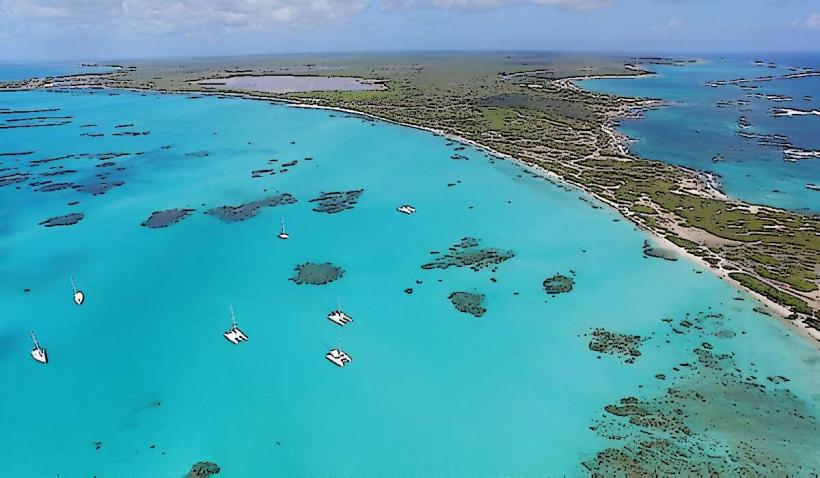
Indian Cave is one of the notable historical and archaeological sites on the island of Barbuda, part of the Caribbean nation of Antigua and Barbuda. This cave is a significant natural and cultural landmark, providing insight into the island’s pre-Columbian history and its indigenous peoples.
Location and Overview
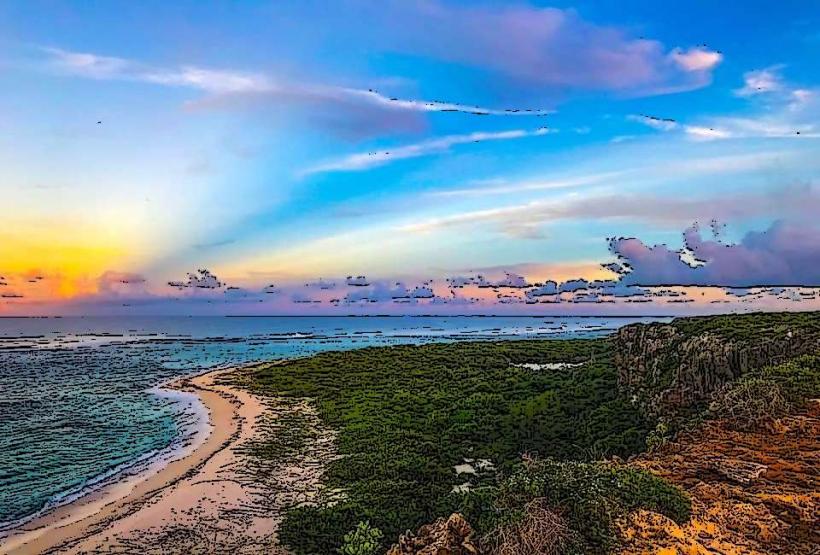
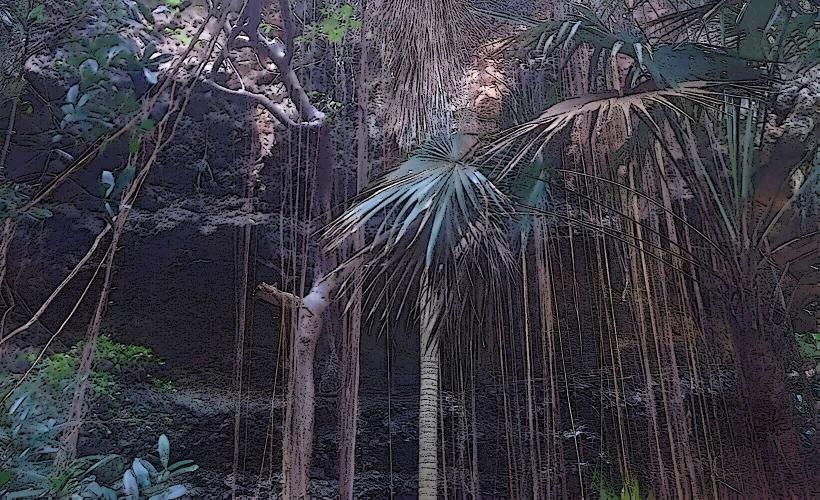
- Location: Indian Cave is situated on the southwestern coast of Barbuda, not far from the village of Codrington. The cave is located within a lush, forested area, accessible through a short hike. It is a relatively secluded site, adding to its allure for visitors interested in exploring Barbuda's natural landscapes and archaeological sites.
- Natural Formation: Indian Cave is a limestone cave, formed over thousands of years by the natural processes of erosion. Its high ceilings, wide entrances, and complex interior make it an interesting spot for exploration. The cave has stalactites, stalagmites, and other limestone formations, typical of such geological sites.
Historical and Archaeological Significance
- Indigenous History: The cave is believed to have been used by the Arawak and Carib peoples, the indigenous groups of the Caribbean before European colonization. These peoples are thought to have inhabited Barbuda as early as 2000 BCE. The cave would have likely served as a shelter, as well as a ceremonial or burial site for these early inhabitants.
- Artifacts: Archaeological excavations and studies in Indian Cave have uncovered a variety of artifacts that provide evidence of the indigenous peoples’ way of life. These artifacts include ceramics, stone tools, and shells. These findings suggest that the cave was used for both domestic and spiritual purposes. It also reflects the island's role in the broader cultural exchange networks of the Caribbean at the time.
- Petroglyphs: Inside the cave, there are ancient carvings, or petroglyphs, on the cave walls. These carvings are thought to be symbols or representations created by the island’s indigenous people, and they provide important clues about their social and spiritual practices. The petroglyphs are one of the key features that make Indian Cave an archaeological and cultural treasure.
Cultural and Spiritual Significance
- Spiritual Importance: For the Arawak and Carib peoples, caves often held spiritual significance. They were thought to be entrances to the underworld, where ancestors or spirits resided. It is possible that Indian Cave served a similar role, as many Caribbean caves are associated with spiritual ceremonies and rituals. The cave could have been a site for worship, meditation, or community gatherings.
- Preservation of Traditions: The cave’s importance extends beyond its archaeological value. It is a symbol of the long history of human habitation on Barbuda and the cultural heritage of the island's indigenous people. As such, it holds cultural significance for local communities and provides a link to the island's ancient past.
Current Status and Visitor Experience
- Tourism: Indian Cave is a relatively underexplored site, which adds to its appeal for visitors interested in history and nature. The cave can be visited as part of guided tours, where tourists are given a chance to learn about the island's indigenous history, the geological features of the cave, and the cultural importance of the site. The tours often include a scenic hike through Barbuda’s natural landscape, with local guides providing historical context.
- Conservation Efforts: The cave is protected as part of Barbuda’s natural and cultural heritage. Efforts have been made to preserve its integrity, both in terms of the archaeological findings inside and the natural environment surrounding it. However, like many historical sites, it faces challenges from natural weathering and human activity, including potential damage from tourism.
Challenges and Preservation
- Environmental Impact: The cave is a sensitive site, and there is an ongoing need to balance tourism with conservation. As more visitors become interested in exploring Indian Cave, maintaining the site's integrity and preventing damage to the petroglyphs and artifacts is crucial. Preservation efforts may include regulating access, limiting the impact of foot traffic, and ensuring that visitors are educated about the importance of protecting the site.
- Ongoing Research: Archaeologists and historians continue to study Indian Cave, and further excavations may provide more insight into the early inhabitants of Barbuda. As more research is conducted, the site’s significance may increase, contributing further to the understanding of pre-Columbian cultures in the Caribbean.
In Summary
Indian Cave on Barbuda is an important historical and cultural site that offers a glimpse into the island's pre-Columbian past. The cave, with its archaeological findings and ancient petroglyphs, reveals much about the indigenous Arawak and Carib peoples who once lived on the island. Today, it remains a valuable site for both education and tourism, while also facing challenges related to preservation and conservation. As a natural and cultural treasure, Indian Cave contributes to Barbuda’s rich heritage, drawing interest from those wishing to learn more about the island’s ancient history and natural beauty.