Information
Landmark: Industrial heritage of TampereCity: Tampere
Country: Finland
Continent: Europe
Industrial heritage of Tampere, Tampere, Finland, Europe
The Industrial heritage of Tampere comprises a collection of historical factory buildings and structures primarily situated along the Tammerkoski Rapids in the city center of Tampere, Finland. These sites represent the city's significant past as a major industrial hub, particularly in textile and metal production.
Visual Characteristics
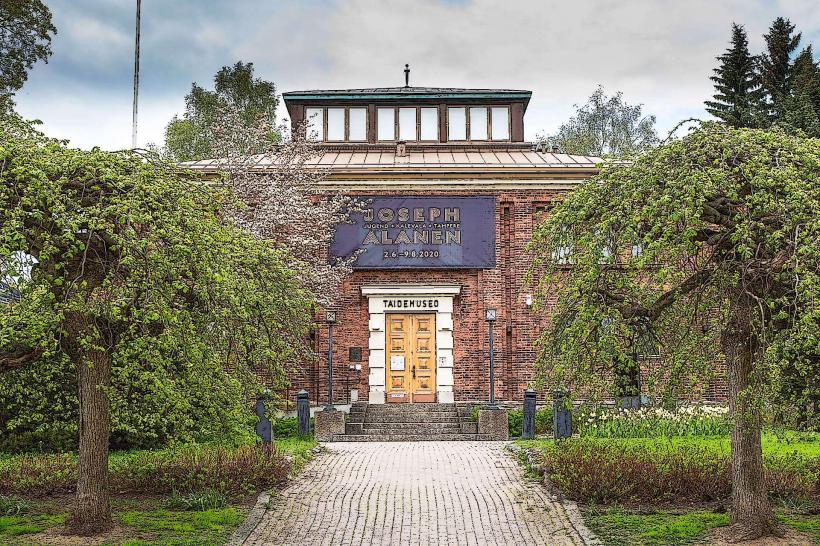
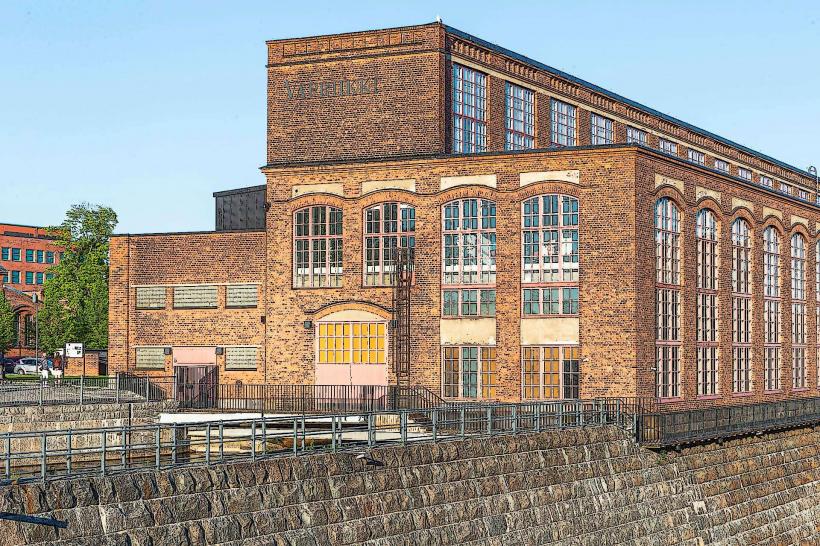
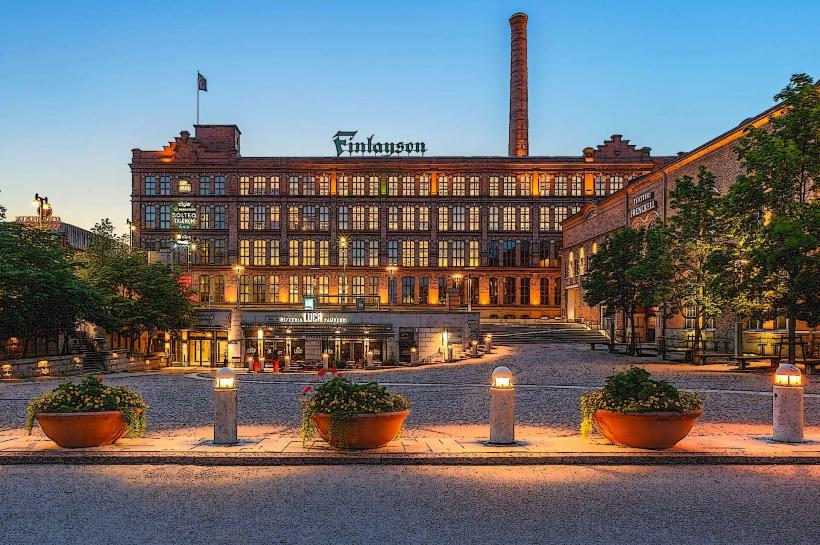
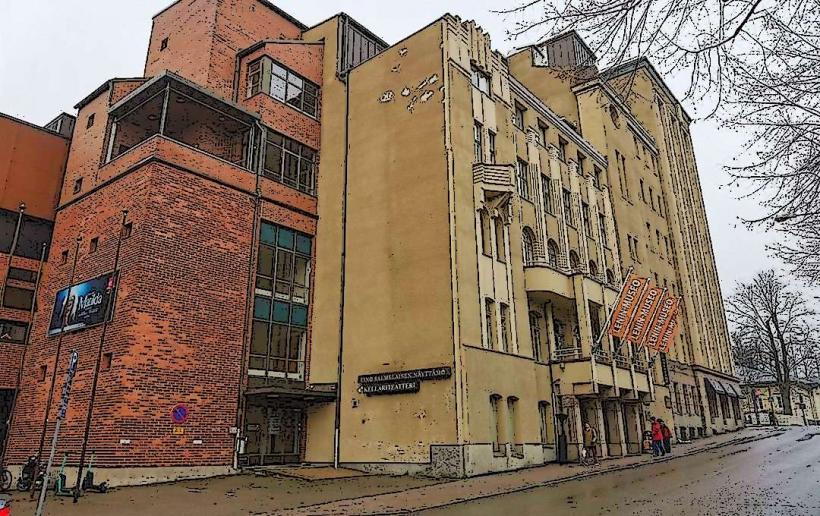
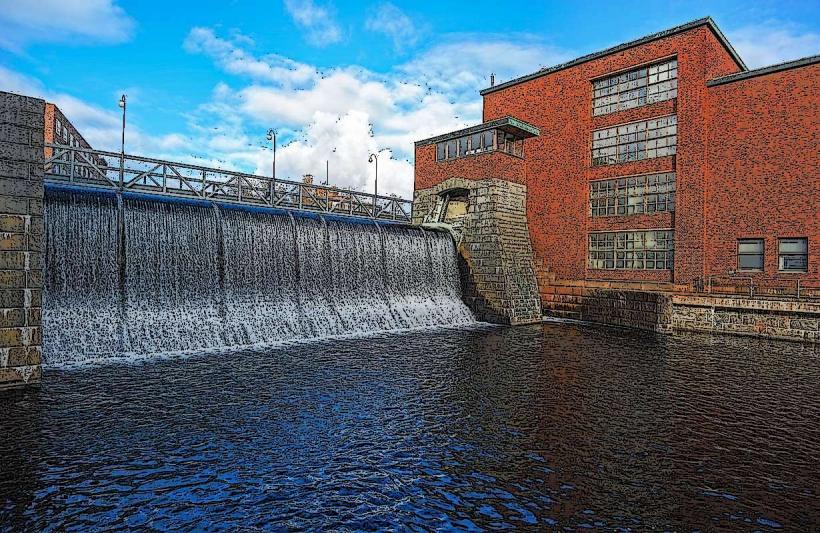
The dominant visual characteristic is the extensive use of red brick, typical of 19th and early 20th-century industrial architecture. Buildings are generally multi-story, featuring large windows and robust, functional designs. The Finlayson and Tampella factory complexes are prominent examples, characterized by their imposing scale and riverside placement. The Tammerkoski rapids, flowing through the urban landscape, are integral to the visual identity, often featuring old dams and bridges that once powered the mills.
Location & Access Logistics
The core industrial heritage sites are concentrated in central Tampere, primarily along the Tammerkoski rapids. The Finlayson Area is located immediately north of the city's main square, Keskustori. The Tampella area is further north along the rapids. These locations are within walking distance (0.5-1.5 km) of the Tampere Railway Station and the main bus terminal. Public transport includes numerous local bus lines stopping at Keskustori or nearby streets like Hämeenkatu. Parking is available in several underground and multi-story car parks in the city center, such as P-Frenckell or P-Hämppi, typically within 0.2-0.5 km of the sites.
Historical & Ecological Origin
Tampere's industrialization began in the early 19th century, driven by the power generated by the Tammerkoski rapids. The first major factory, the Finlayson cotton mill, was established in 1820 by James Finlayson. The Tampella factory, initially a linen mill and later a heavy machinery manufacturer, was founded in 1844. These sites were purpose-built industrial complexes, designed by various architects over decades, including A.F. Granstedt and Frans Ludvig Calonius, to harness the rapids' energy for manufacturing.
Key Highlights & Activities
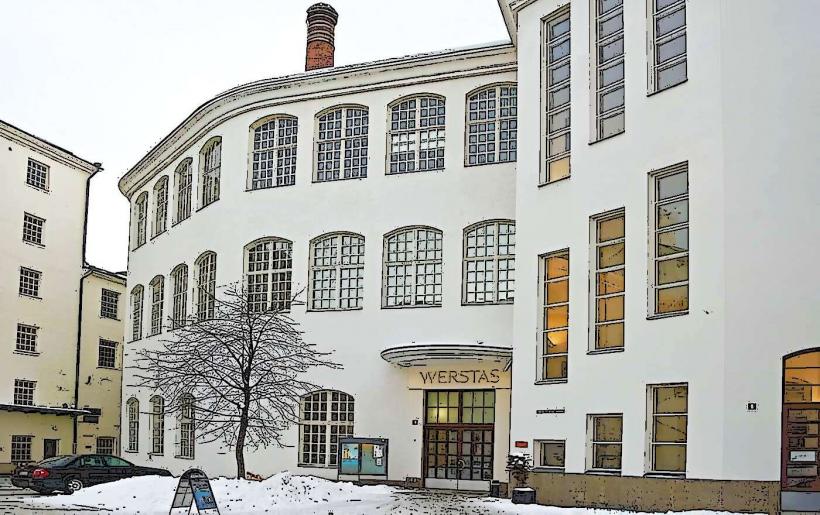
Visitors can explore the renovated factory areas, which now house museums, restaurants, and shops. The Vapriikki Museum Centre, located in the old Tampella factory area, offers multiple exhibitions. The Finnish Labour Museum Werstas, situated in the Finlayson area, details industrial history. Walking paths along the Tammerkoski rapids provide views of the historical buildings and the rapids themselves. Guided tours of specific factory areas or museums are often available, with schedules varying by season.
Infrastructure & Amenities
As these sites are integrated into the city center, comprehensive infrastructure is available. Restrooms are located within museums, shopping centers, and restaurants in the renovated factory areas. Shade is provided by buildings and some urban trees. Cell phone signal (4G/5G) is consistently strong throughout the area. Numerous food vendors, cafes, and restaurants are present within and immediately adjacent to the former factory complexes.
Best Time to Visit
The best time to visit is during the summer months (June to August) for pleasant walking conditions and extended daylight hours. Autumn (September to October) offers scenic views with changing foliage along the rapids. For photography, late afternoon light often enhances the red brick facades. Most indoor attractions operate year-round, but outdoor exploration is more comfortable in warmer seasons.
Facts & Legends
Tampere earned the nickname "Manchester of the North" due to its significant industrial output and reliance on water power, mirroring the English industrial city. A verified historical oddity is that the Finlayson factory was one of the first in Finland to provide its workers with a hospital, a school, and even its own currency, demonstrating a paternalistic approach to industrial management.
Nearby Landmarks
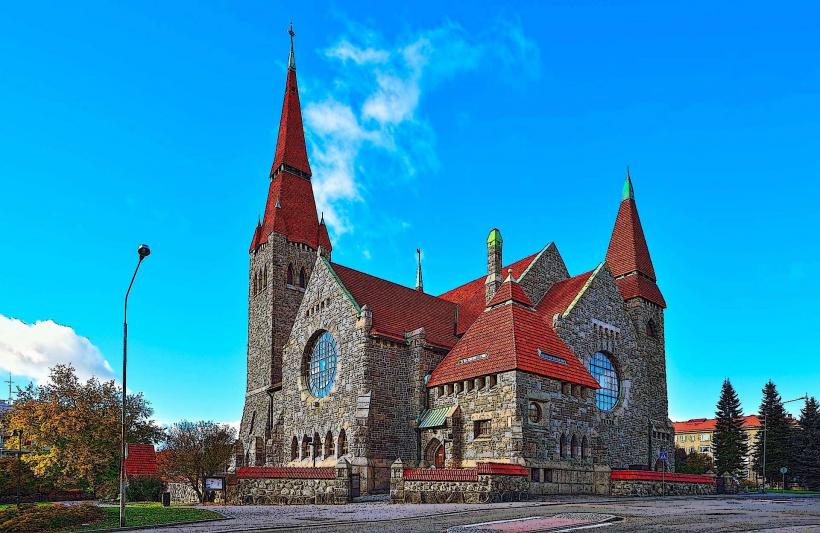
- Tampere Cathedral: 0.8km East
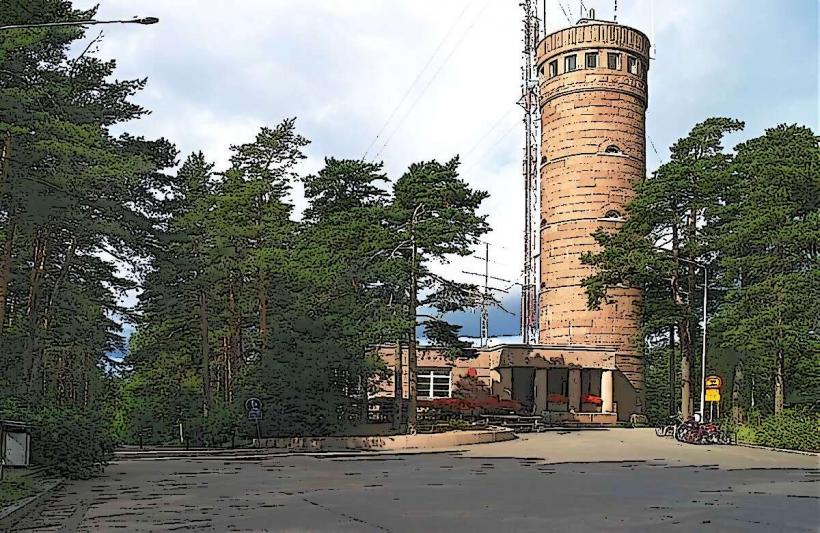
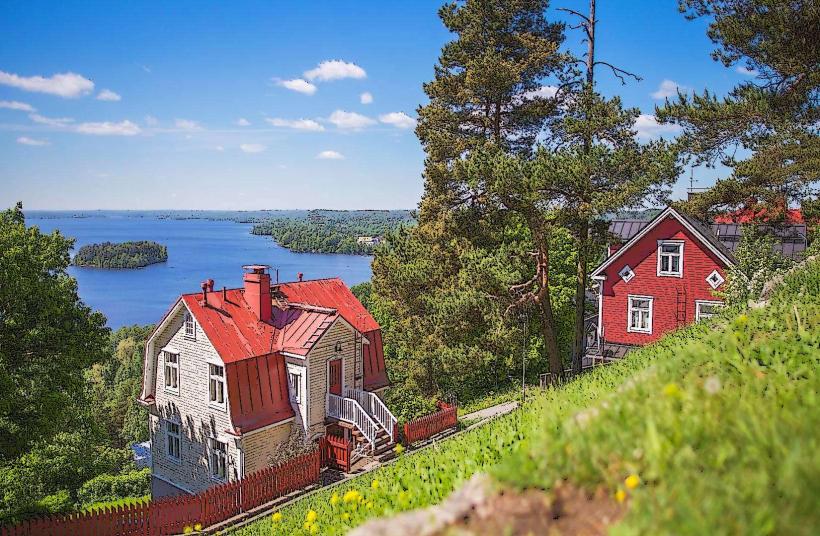
- Pyynikki Observation Tower: 2.5km Southwest
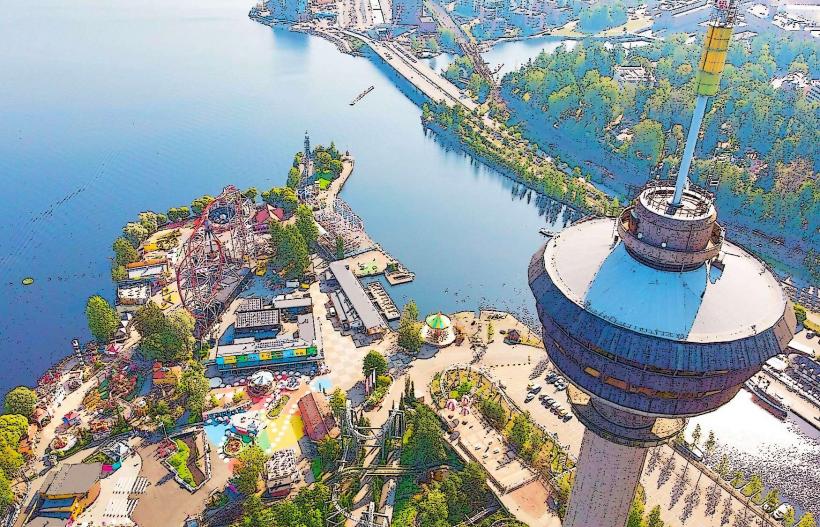
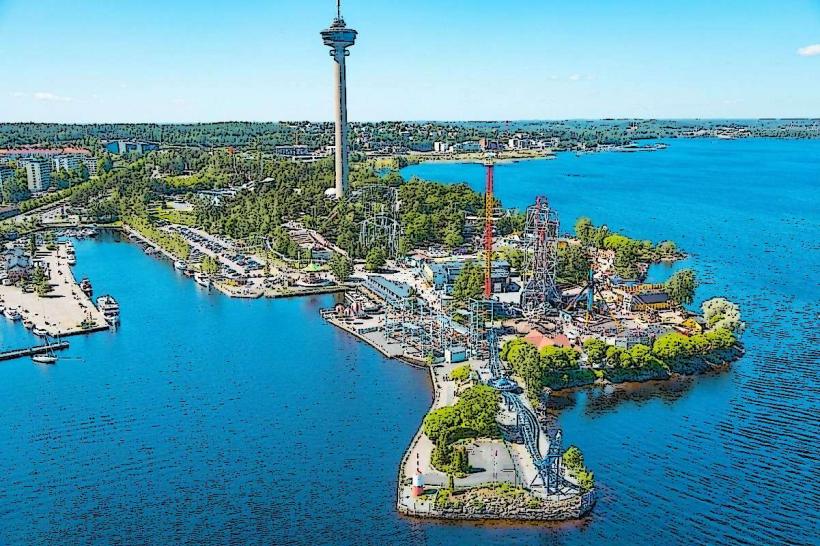
- Särkänniemi Adventure Park: 1.5km Northwest
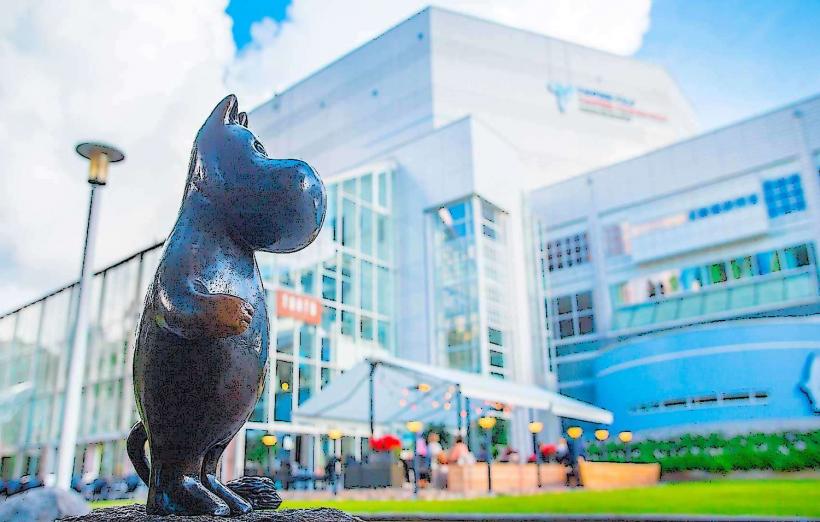
- Moomin Museum: 0.7km South
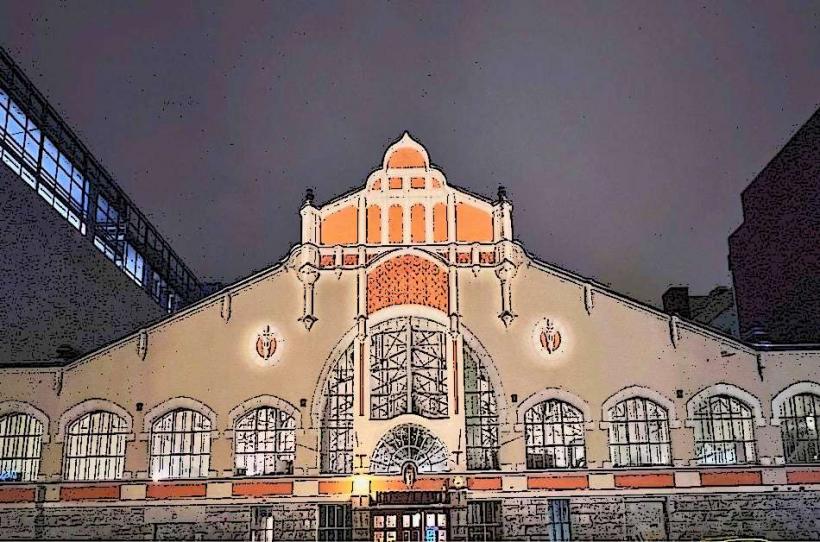
- Tampere Market Hall: 0.4km South