Information
Landmark: Islamic MuseumCity: Konjic
Country: Bosnia and Herzegovina
Continent: Europe
Islamic Museum, Konjic, Bosnia and Herzegovina, Europe
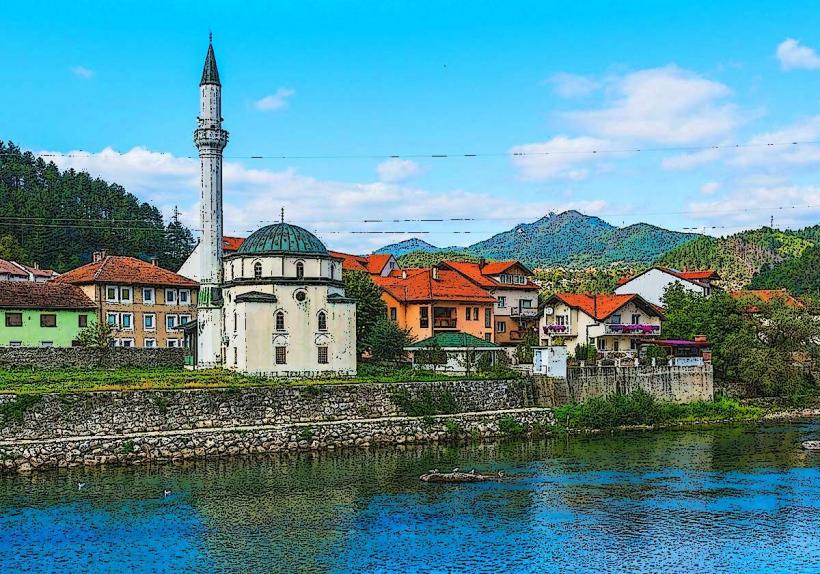
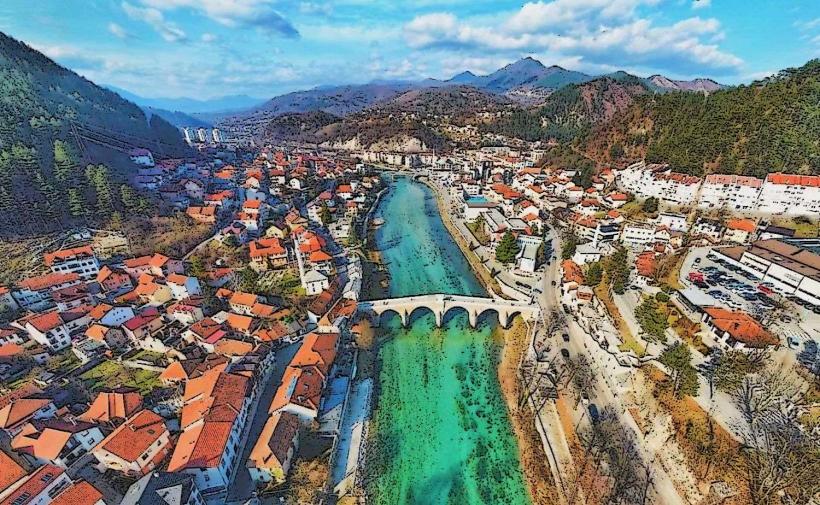
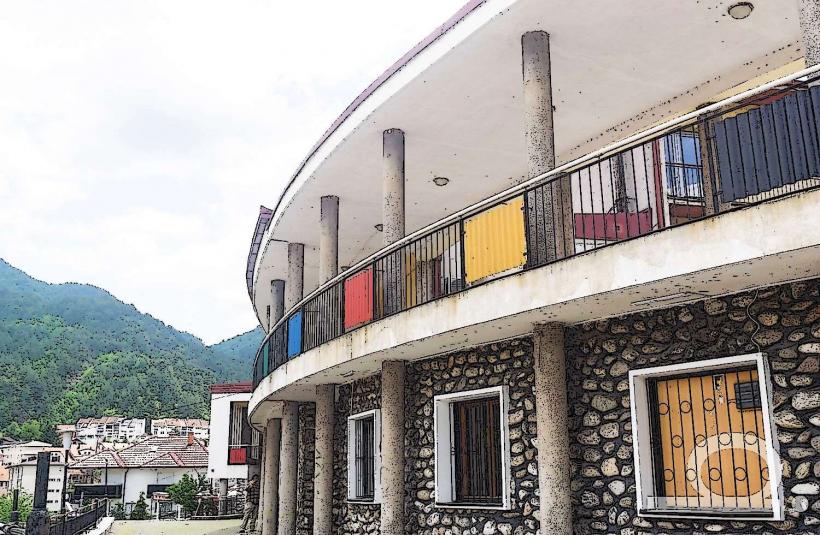
The Islamic Museum in Konjic, technically the Museum of the Medžlis (Council) of the Islamic Community, is a specialized cultural institution located on the left bank of the Neretva River. It is housed within the administrative complex of the Islamic Community, adjacent to the Junuz-Čauš Mosque.
Visual Characteristics
The museum is situated in a modern building designed with traditional Ottoman-Bosnian architectural motifs, featuring a stone facade and dark wood accents. The interior exhibition space is characterized by minimalist glass displays and controlled lighting designed to protect delicate manuscripts and textiles. The layout follows a chronological progression of Islamic history in the Konjic region.
Location & Access Logistics
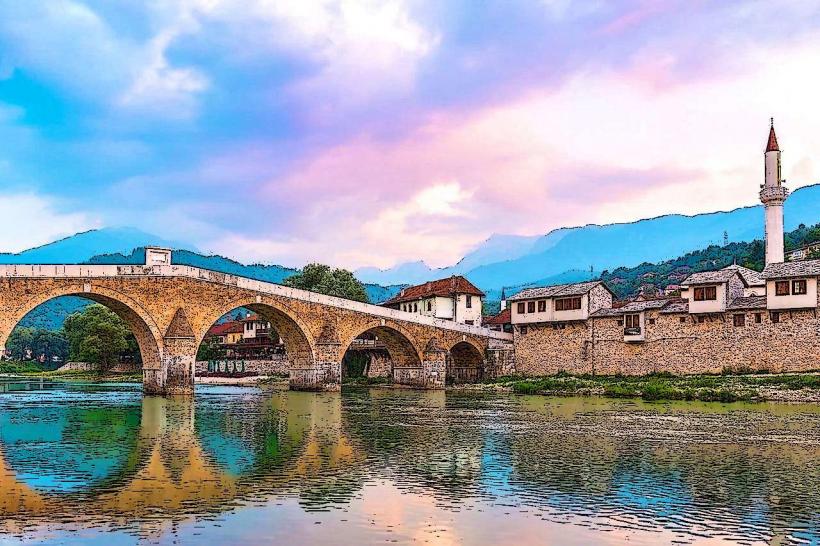
The facility is located at Stara čaršija 20, approximately 250 meters east of the Konjic Old Stone Bridge. It is positioned within the pedestrian zone of the historic market district. Vehicle parking is prohibited on the museum street; visitors must use the municipal lots near the Neretva riverbank, approximately 300 meters away. The museum is a 7-minute walk from the central bus station.
Historical & Ecological Origin
The museum was established to consolidate the waqf (endowment) treasures, historical documents, and religious artifacts belonging to the various mosques of the Konjic district. Many items in the collection were hidden or relocated for safety during the 1992–1995 war. The site sits on the karst river terrace of the Neretva, a region historically influenced by its position as a gateway between the Mediterranean and the Bosnian highlands.
Key Highlights & Activities
Manuscript Collection: The museum preserves centuries-old Qurans and hand-copied religious texts in Arabic, Turkish, and Persian, some featuring ornate illumination.
Textile and Vestment Gallery: Displays include traditional imams’ robes (jubbah), hand-woven prayer rugs, and "levhas" (calligraphic panels).
Historical Documents: The collection includes original vakufnamas (endowment charters) that detail the founding of local mosques and schools (maktabs).
Archaeological Fragments: Stone inscriptions and architectural elements from destroyed or renovated medieval mosques are displayed in the courtyard or dedicated niches.
Infrastructure & Amenities
The museum includes a small library, a research room for scholars, and public restrooms. It is fully climate-controlled. 4G and 5G cellular signals are consistent. The surrounding Čaršija area provides numerous traditional cafes and craft shops. Guided tours are often conducted by staff of the Medžlis and can be requested in English or Bosnian.
Best Time to Visit
The museum follows standard business hours, typically 08:00 to 15:00 on weekdays. It is best visited in conjunction with the Junuz-Čauš Mosque. Visitors should check local schedules, as hours may be adjusted during the month of Ramadan or on major Islamic holidays (Eid al-Fitr and Eid al-Adha).
Facts & Legends
A notable historical detail is that the museum serves as a "living archive," where families from the surrounding villages still occasionally donate heirlooms to ensure their preservation. Local history suggests that several of the oldest manuscripts were preserved during the 19th-century fires in Konjic by being moved to the damp, stone-vaulted cellars of nearby merchant houses.
Nearby Landmarks
Junuz-Čauš Mosque (0.02km North)
Konjic Old Stone Bridge (0.25km West)
Varda Mosque (0.2km East)
Zuko Džumhur Birth House (0.3km West)
Heritage Museum of Konjic (0.4km West)