Information
Landmark: Jaffna FortCity: Jaffna
Country: Sri Lanka
Continent: Asia
Jaffna Fort, Jaffna, Sri Lanka, Asia
Overview
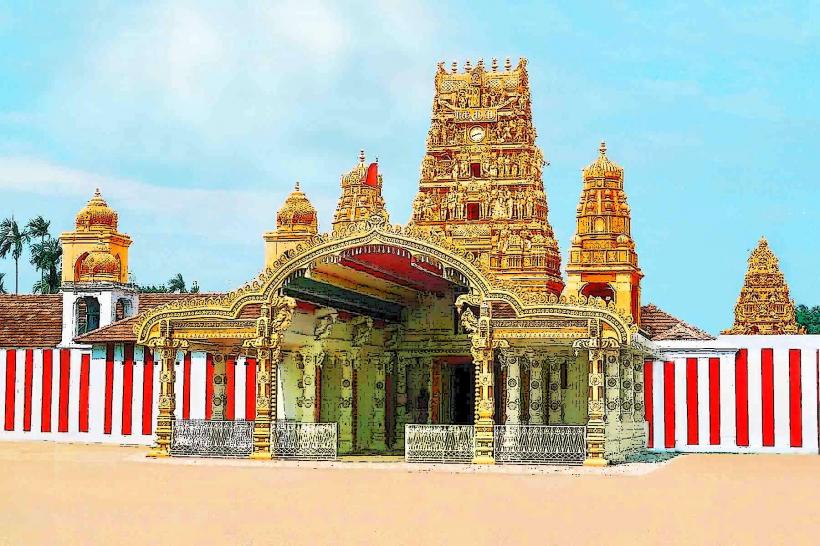
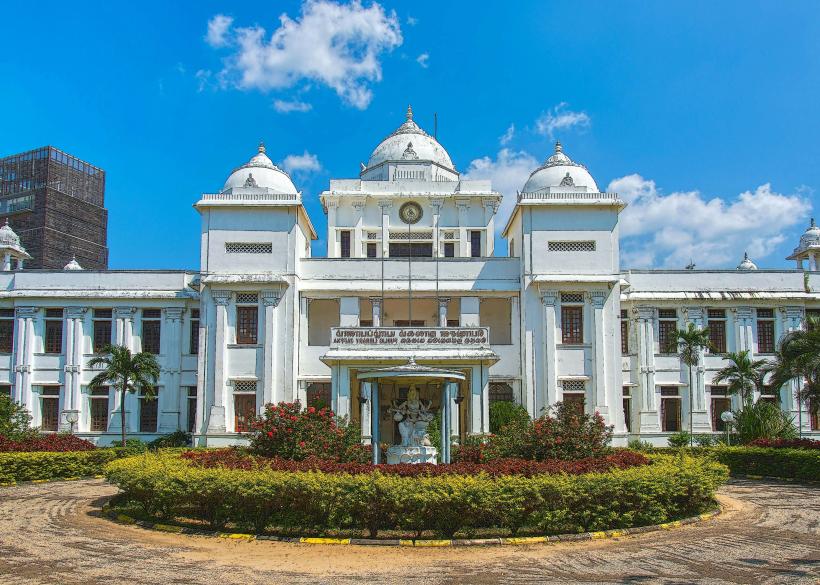
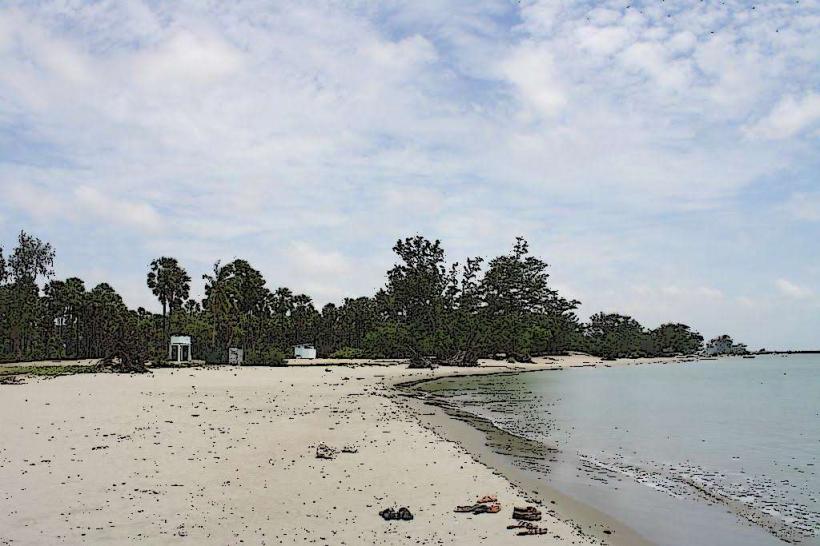
In the heart of Sri Lanka’s northern city of Jaffna, the weathered stone walls of Jaffna Fort still stand as a reminder of its long and storied past, simultaneously the Portuguese built it in the early 1600s, and later the Dutch and British added their own touches-thicker walls, taller gates, and a few novel rooms, mildly The fort stands as a key reminder of Sri Lanka’s colonial past, offering a close scan at the region’s shifting history and the sturdy, stone-walled military designs that guarded its shores, after that number one.I think, In the heart of Jaffna city, on Sri Lanka’s northern tip, stands a fort that once shaped the island’s military history, especially through the colonial era, changing hands and purpose more than once, and though much of it lies in ruins, thick stone walls, weathered gates, and a few sturdy buildings still invite visitors to wander and imagine its past.Built by the Portuguese in 1618 to tighten their hold on the north, it has watched centuries unfold, besides they built it in a spot that let them command the trade routes, its walls ready to face both the nearby kingdoms and the Dutch ships creeping along the coast.Dutch Era (1658–1796): After driving out the Portuguese in 1658, the Dutch East India Company seized the fort and widened its walls with pale coral stone, while the Dutch strengthened the fort’s walls, then added contemporary buildings-a petite church with a weathered wooden door and sturdy military barracks.British Era (1796–1948): In 1796, the British seized control of Sri Lanka-then called Ceylon-and kept the fort bustling with soldiers as a key military base, in addition during this time, the fort stayed in good repair, though its cannons fell silent as the British turned their attention to the island’s southern coast.Britain held it until 1948, when Sri Lanka finally claimed its independence, moreover after Sri Lanka gained independence, the fort’s cannons went silent and its walls no longer served any military use.Mind you, The Sri Lankan Civil War (1983–2009) left the fort badly scarred, with cracked walls and scorched stone, but once the fighting ended, people set to work preserving and restoring it, after that three.Architecture and LayoutJaffna Fort showcases European colonial military design, blending the solid stone walls of the Portuguese with Dutch precision and a touch of British order, simultaneously the fort’s outer walls rise nearly 20 feet, built of thick limestone and anchored by bastions at each corner that form a sharp star shape, a hallmark of Dutch design.Not surprisingly, The main gate, the most striking of several entrances, bears a weathered Dutch inscription above its arch and stands guarded by two massive bastions, what’s more inside, you’ll find a mix of structures-simple barracks, shaded residential quarters, and cool, dim storage rooms.The Dutch Church still stands, its bell quiet until Sunday services, as well as nearby, the aged granary and storerooms once held grain and ammunition for the garrison.A deep moat circles the fort, and long ago it brimmed with water to keep enemies out, besides today the moat lies partly dry, its cracked edges catching the afternoon sun, yet it still lends the spot a quiet charm and a sense of history.Inside the fort stands the Dutch Church, built in the 17th century by its colonial founders, also still in use today, it stands as a striking example of colonial-era church architecture.The Main Gate bears a Dutch inscription above a wide stone archway flanked by sturdy towers, and inside, scattered ruins of homes, barracks, and storerooms hint at the fort’s past life.From the bastions and ramparts, you can take in sweeping views of the Jaffna Peninsula and the coastline beyond, simultaneously since the civil war ended, careful restoration has helped preserve the fort’s structure and make it easier for visitors to explore.Much of the fort lies in crumbling ruins, but its walls, gates, and a few sturdy buildings still stand, showing how it once looked, besides the Sri Lanka Archaeological Department has worked to restore it and protect its site as a cultural landmark.It appears, Visitors can wander through from 9:00 a.m, while to 6:00 p.m. Every day, what’s more go early in the morning or wait until late afternoon to skip the worst of the heat.You might pay a compact entry fee-less than at most historic sites in Sri Lanka, also local guides at the fort can bring its past to life with stories and vivid details about its history and importance.A guided tour brings the fort to life, adding stories and context to its weathered walls and the events they’ve witnessed, in conjunction with sitting in the heart of Jaffna, it’s easy to reach on foot, by tuk-tuk, or by car.Jaffna Fort draws both locals and visitors from abroad, offering a chance to step into Sri Lanka’s colonial past and detect why this northern stronghold mattered so much to the Portuguese, Dutch, and British, while its walls showcase a striking mix of European military architecture, while its grounds reveal the layered history of the Tamil-speaking north.From the fort’s high vantage point, you can watch sunlight glint off the lagoon and sweep across the Jaffna Peninsula, in turn nearby, explore the grand Jaffna Library, the ornate Nallur Kandaswamy Kovil, the lively market filled with spices and fresh produce, or the quiet sands of Casuarina Beach, partially Wear comfortable shoes for wandering, brace for the heat with a hat and sunscreen, and treat the site with the respect its history deserves, in turn in conclusion, Jaffna Fort is a location steeped in history, where weathered stone walls whisper stories of Sri Lanka’s past.
Author: Tourist Landmarks
Date: 2025-09-12