Information
Landmark: Jeonju Hanji MuseumCity: Jeonju
Country: South Korea
Continent: Asia
Jeonju Hanji Museum, Jeonju, South Korea, Asia
Overview
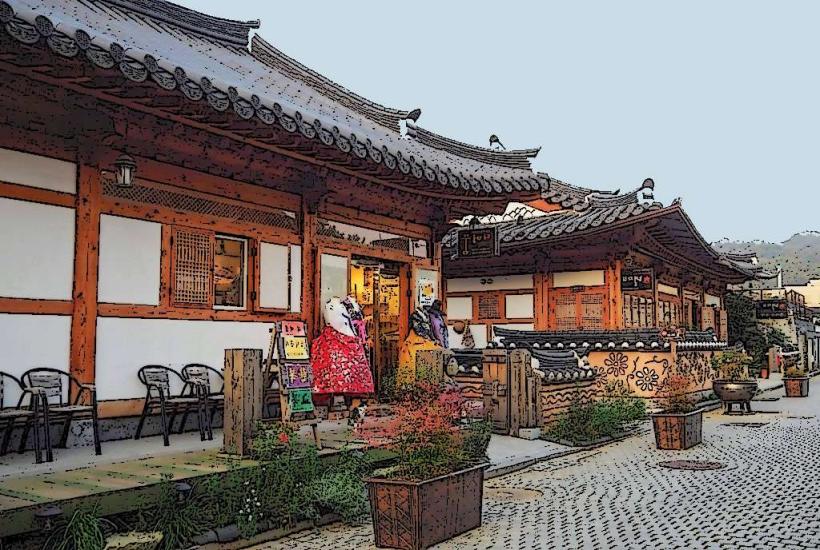
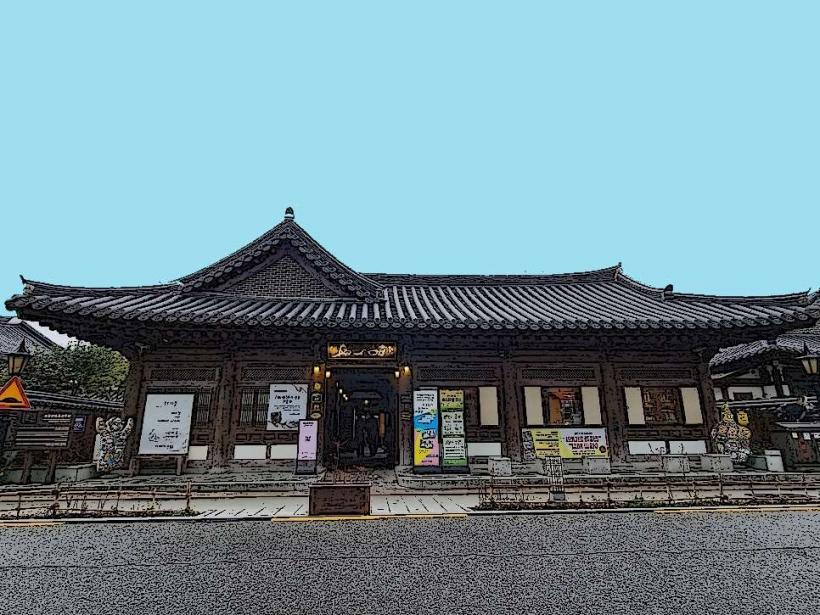
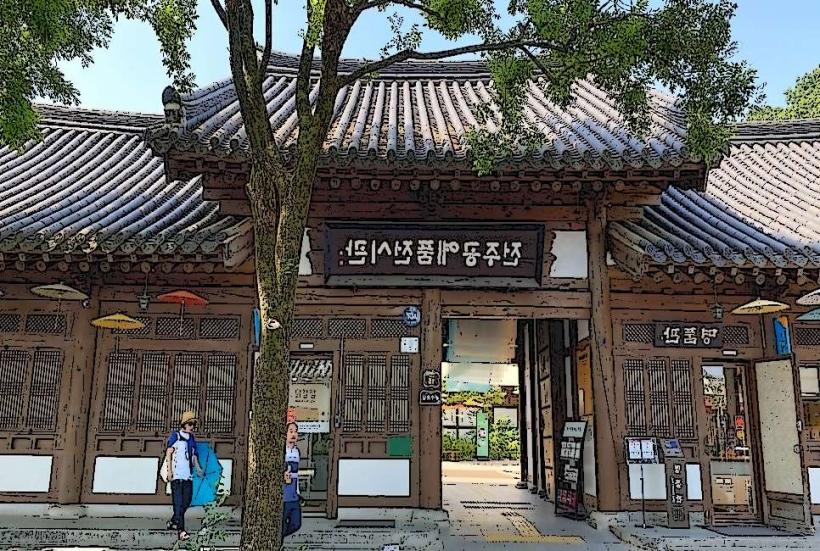
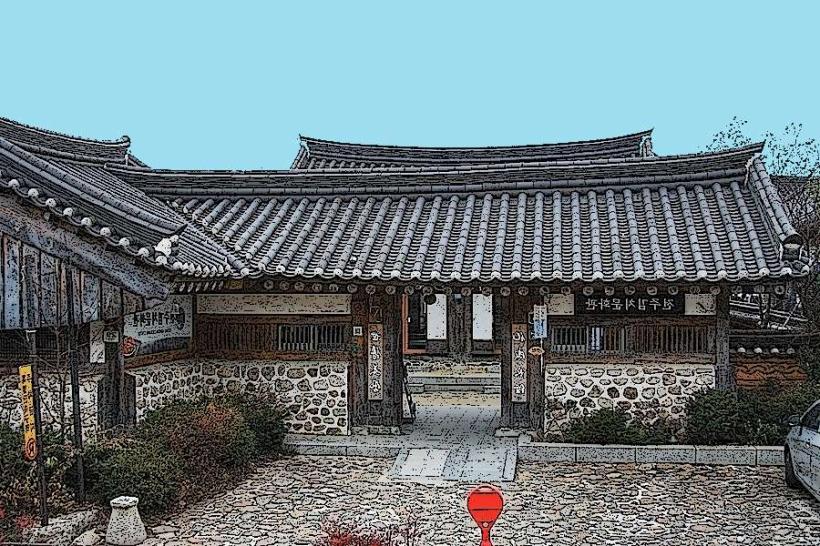
The Jeonju Hanji Museum (전주한지박물관) keeps the art of hanji alive-preserving its history, sharing its beauty, and celebrating the soft, textured sheets of this traditional Korean paper, not only that in Jeonju, South Korea, the museum showcases the history, fine craftsmanship, and beauty of hanji-a traditional paper Koreans have been making for over a thousand years, as smooth and light as a dried autumn leaf.As far as I can tell, Here’s what stands out at the Jeonju Hanji Museum-its first main feature, simultaneously the museum’s purpose is clear: to share the beauty and character of hanji, the traditional handmade paper woven into Korean life for centuries, from the soft rustle of its fibers to the warmth of its natural hues.Hanji comes from the bark of the paper mulberry tree, with fibers tough enough to last for centuries, yet smooth and pliable to the touch, as a result the museum invites visitors to discover how hanji is made, glimpse its many uses, and understand why it matters in Korean art, daily life, and culture-even down to the feel of its crisp, hand‑pressed sheets.Number two, in addition you’ll find the Jeonju Hanji Museum in Jeonju Hanok Village, a celebrated cultural spot where narrow lanes wind past well-kept hanok-traditional Korean houses that radiate vintage-world charm.Tucked inside Hanok Village, the museum is just a short stroll for anyone wandering through the city’s traditional streets, besides number three sat alone on the page, sharp and simple like a chalk mark on a blackboard.The museum showcases a rich mix of exhibitions, each revealing a different facet of hanji and its cultural meaning-like the smooth rustle of handmade paper under your fingertips, simultaneously one highlight is the History of Hanji, where the museum dives deep into its Korean roots and traces how each handmade sheet has evolved through the centuries.It displays ancient tools, timeworn production methods, and historical artifacts-like a delicate brush worn smooth at the handle-that reveal how hanji has served for centuries in writing, bookbinding, art, and even architecture, at the same time craftsmanship and Techniques: Visitors are drawn to the display of hanji-making, where sheets of soft, hand-pulled paper dry in the warm light.Visitors can follow the journey of hanji-making, starting with the crackle of mulberry bark being stripped from the tree, then notice the fibers worked by hand and shaped into smooth sheets of paper, furthermore hanji Art: The museum also showcases contemporary works crafted from hanji, some with paper so thin you can almost behold light pass through.It covers calligraphy, painting, and even sleek modern installations, revealing how contemporary artists have reimagined the traditional material-like ink brushed thick and obscure across a canvas, consequently special Exhibitions: The museum often showcases unique displays exploring hanji’s many uses-from delicate paper lanterns and centuries-aged manuscripts to modern fashion pieces, including clothing made entirely from hanji.Number four, then at the Jeonju Hanji Museum, you can join hands-on workshops that invite you to make your own sheets of hanji or turn it into delicate, textured artwork.In these workshops, people roll up their sleeves, try the traditional craft for themselves, and come away with a richer sense of its cultural roots, moreover some workshops include hanji paper making, where you’ll follow the entire process-from pulling silky fibers from mulberry bark to pressing them into sheets of traditional paper.At Hanji Crafts, you can roll up your sleeves and make your own creations-maybe a glowing hanji lantern, a neatly folded wrapping cloth, or a delicate paper doll, consequently calligraphy and Art: At the museum, visitors can join workshops to try their hand at calligraphy and painting on smooth, textured hanji paper, getting a feel for an essential part of Korean artistic tradition.Five, alternatively hanji in Industry and Today’s World - the museum shows how this traditional paper turns up everywhere, from sleek lamp shades to sturdy gift boxes, to some extent Hanji, once reserved for calligraphy and painting, now turns up everywhere-from sleek fashion pieces to modern architecture, cozy interiors, and even the smallest details in home décor, alternatively the museum shows how the paper finds recent life in today’s products-eco-friendly packaging, patterned wallpaper, even the soft weave of a summer shirt.Number six sat alone, a minute black mark in the corner of the page, in conjunction with the museum’s building blends seamlessly with the traditional charm of Hanok Village, its curved roof tiles echoing the style of the centuries-ancient houses around it.With its clean lines and warm wood grain, it captures the museum’s devotion to protecting hanji’s cultural heritage while bringing it into a fresh, modern view, as well as the museum’s design shows how heritage-world details can blend seamlessly into modern spaces, like carved wooden beams framing a sleek glass atrium.Seven, also hanji holds a special setting in Korean heritage, valued for its centuries-aged tradition of fine, hand-crafted paper.The South Korean government has named it a National Intangible Cultural Asset, a title steeped in tradition and pride, on top of that the museum works to share hanji’s rich history, letting visitors picture the delicate fibers in their hands, and to celebrate its cultural value with both Koreans and travelers from abroad.Durability and uniqueness: Hanji stands out for how tough it is, able to last for centuries without tearing, even after countless folds, in conjunction with this paper can endure for centuries and shrugs off tearing, unlike most others-you could crumple it in your fist and it would still hold firm.That’s why hanji works so well for preserving historical documents-you’ll even find its soft, sturdy pages in treasured classical manuscripts, like centuries‑vintage Korean books, moreover eight.All year long, the museum puts on everything from lively festivals and engaging lectures to hands-on demonstrations of hanji crafts, where you can hear the soft rustle of handmade paper taking shape, equally important at these events, visitors can explore the history of hanji, glimpse how it’s used today, and discover its role in modern culture-perhaps even feel the soft, textured paper in their hands, occasionally Number nine, printed in bold black ink, stood alone on the page, on top of that the museum’s shop offers hanji treasures-handmade paper smooth as silk, vibrant art supplies, delicate crafts, and one-of-a-kind souvenirs you can take home.Local artisans craft many of these pieces, each showing how hanji has long been woven into both art and everyday life-a lamp’s soft glow, for instance, filtering through its paper shade, consequently in conclusion, the Jeonju Hanji Museum offers a one‑of‑a‑kind cultural experience, drawing visitors into the rich world of hanji-traditional Korean paper that crinkles softly between your fingers.Funny enough, The museum brings this crucial cultural material to life through exhibitions, hands-on workshops, and lively classes that explore its craftsmanship, rich history, and modern uses, then set in the heart of Jeonju Hanok Village, it’s a spot you can’t miss if you want to experience Korean traditions-think curved tiled roofs, wooden beams scented with pine, and the city’s deep cultural roots.
Author: Tourist Landmarks
Date: 2025-09-16