Information
Landmark: Jomas StreetCity: Jurmala
Country: Latvia
Continent: Europe
Jomas Street, Jurmala, Latvia, Europe
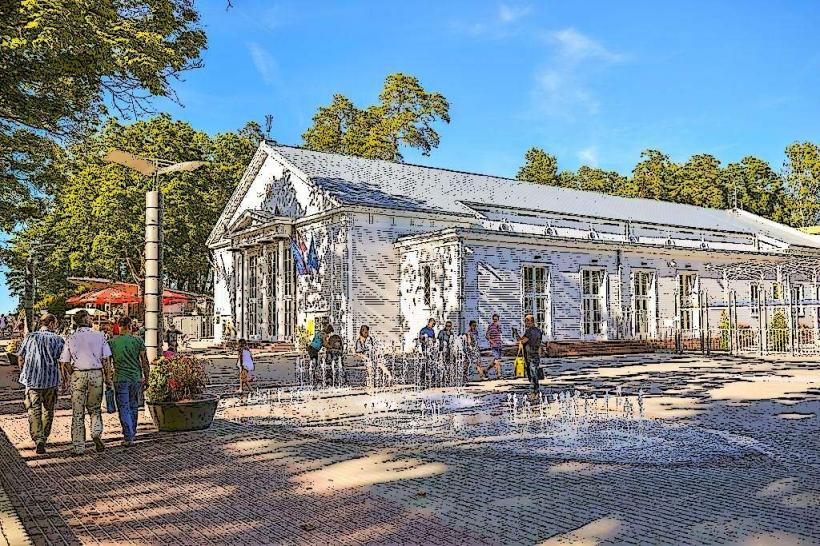
Jomas Street is a pedestrian promenade located in the heart of Jurmala, Latvia. It serves as the central commercial and social artery of the resort city.
Visual Characteristics
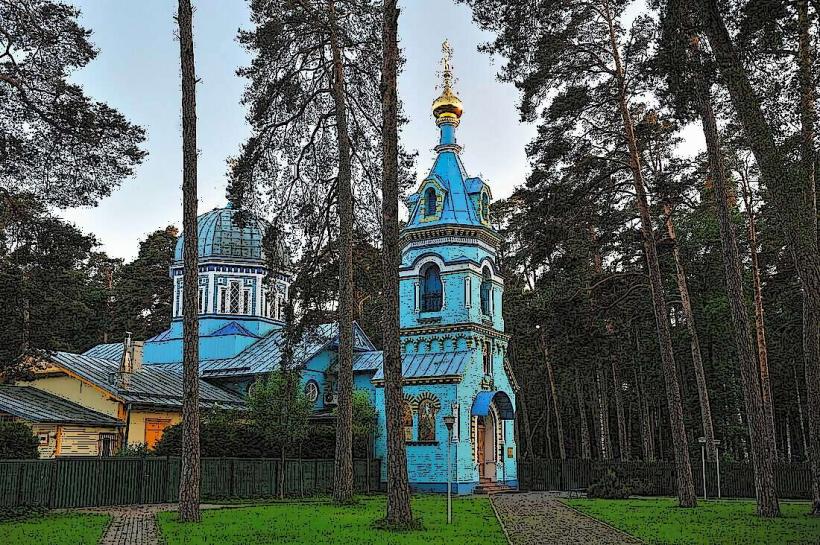
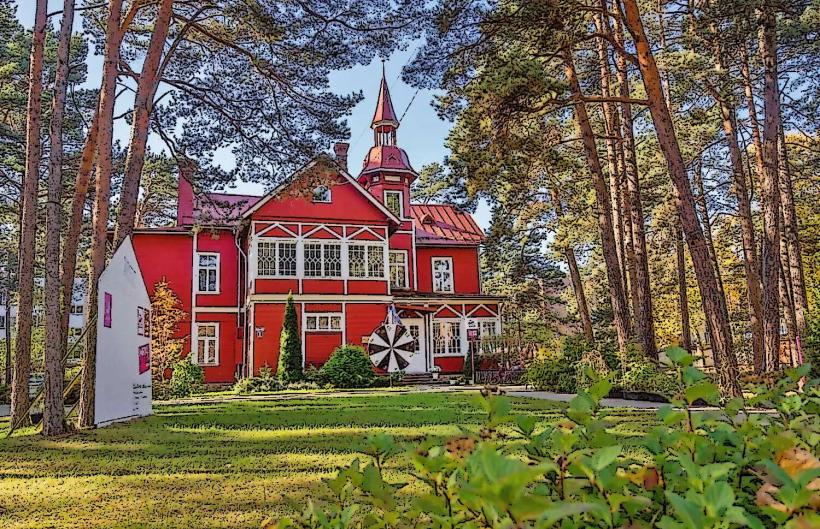
The street predominantly features 19th and early 20th-century wooden architecture, characterized by intricate carvings, verandas, and turrets. Buildings are typically two to three stories high, painted in pastel colors such as light blue, yellow, and white. The street itself is paved with cobblestones and lined with mature trees.
Location & Access Logistics
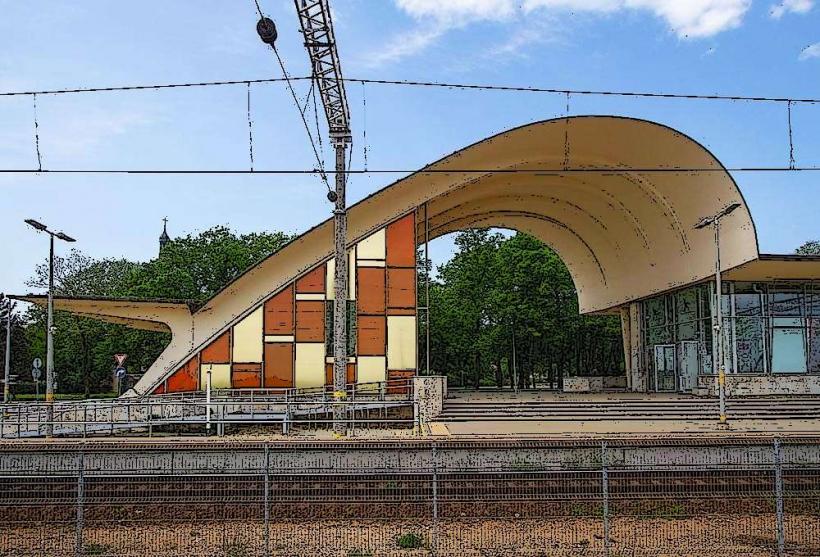
Jomas Street runs parallel to the Baltic Sea coast in the Majori district of Jurmala. It is approximately 20 km west of Riga city center. Access by car is via the A10 highway, exiting towards Jurmala. Limited paid street parking is available on adjacent streets. The Majori train station is located directly at the western end of Jomas Street, providing direct rail connections from Riga. Several local bus lines also serve the area, with stops near the street.
Historical & Ecological Origin
Jomas Street developed in the mid-19th century as Jurmala transformed into a popular spa resort. Its original purpose was to serve as the main commercial and social thoroughfare for visitors and residents. The street's layout and architectural style reflect the resort town's growth during the Russian Empire and interwar Latvian independence periods.
Key Highlights & Activities
Visitors can walk the pedestrian street, observe the historic architecture, and dine at various restaurants and cafes. Street performers often operate during peak season. Shopping for local crafts and souvenirs is possible at numerous boutiques.
Infrastructure & Amenities
Public restrooms are available at several points along the street. Shade is provided by mature trees and building awnings. Cell phone signal (4G/5G) is consistently strong. Numerous food vendors, cafes, and restaurants are directly accessible. Benches are installed at regular intervals.
Best Time to Visit
The street is most active during the summer months (June to August) when all establishments are open and events are frequent. Early mornings or late evenings offer fewer crowds. Photography is optimal in the late afternoon for soft light on the building facades.
Facts & Legends
The name "Jomas" translates to "grooves" or "furrows," possibly referring to the original sandy tracks that formed the street before its development. A local anecdote suggests that during the Soviet era, the street was a rare place where Western goods could sometimes be found.
Nearby Landmarks
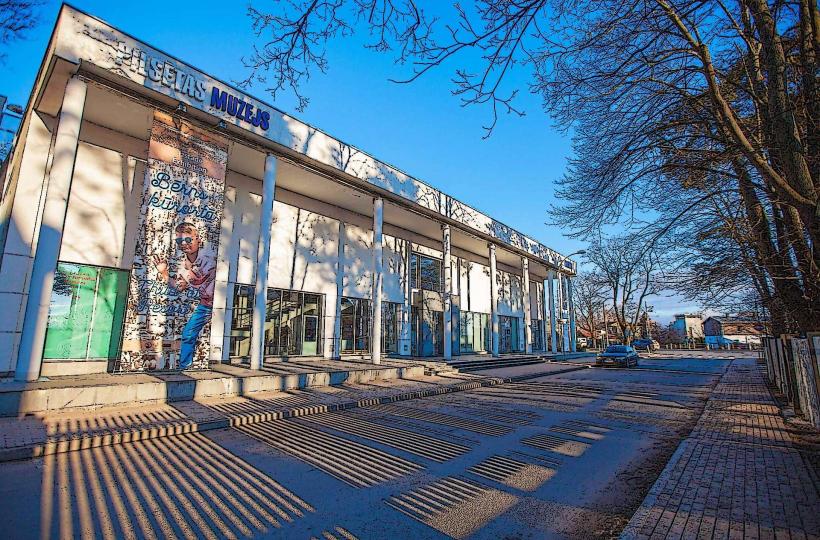
- Jurmala City Museum: 0.2km South
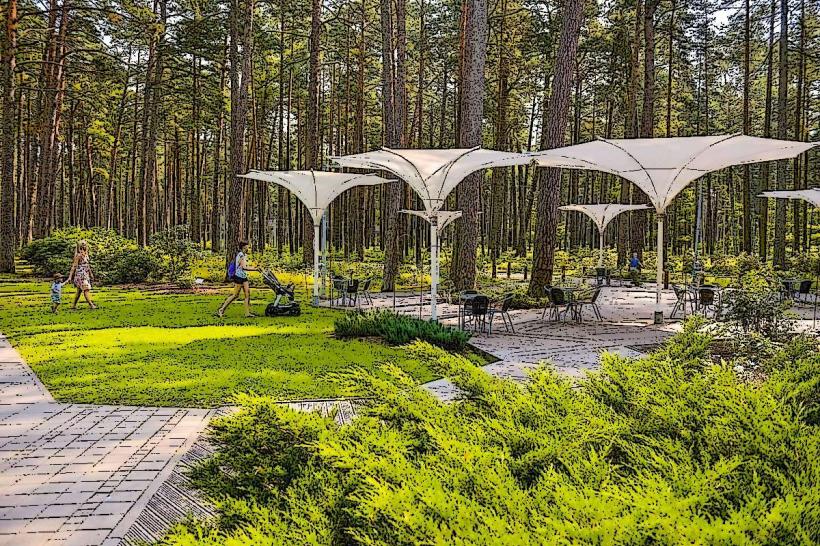
- Dzintari Forest Park: 1.5km East
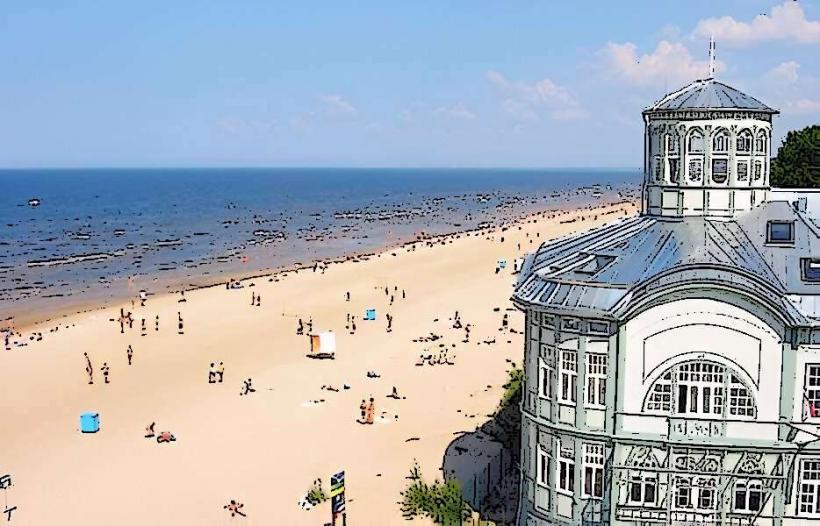
- Jurmala Beach: 0.1km North
- Majori Beach: 0.5km West
- Globe Monument: 0.1km West