Information
Landmark: Kastro of SkiathosCity: Skiathos
Country: Greece
Continent: Europe
Kastro of Skiathos, Skiathos, Greece, Europe
Kastro of Skiathos is a medieval fortified settlement located on a high, rocky promontory at the northernmost tip of Skiathos, Greece. It served as the island's capital from the 14th century until 1829, providing a natural defensive position against naval incursions.
Visual Characteristics
The site consists of ruins scattered across a steep limestone cliff that drops vertically into the Aegean Sea. The remains include stone masonry from defensive walls, a drawbridge entrance, and several small churches with terracotta-tiled roofs. The terrain is rugged with sparse Mediterranean scrub and narrow, uneven stone paths.
Location & Access Logistics
The landmark is approximately 9km north of Skiathos Town. Access is possible via a paved road that transitions into a steep, unpaved track for the final 2km, requiring a 4x4 vehicle or a 30-minute hike. Alternatively, excursion boats depart daily from the Skiathos Old Port and dock at the beach below the cliff, from where a steep stone staircase leads to the ruins.
Historical & Ecological Origin
Residents of Skiathos established Kastro in approximately 1350 to escape persistent pirate raids. The fortress remained under Byzantine, Venetian, and Ottoman control throughout its history. It originally contained 300 houses and 30 churches, though most were dismantled after 1830 to provide building materials for the modern Skiathos Town.
Key Highlights & Activities
Visitors can explore the restored Church of the Nativity of Christ, which retains its original wooden iconostasis and 17th-century frescoes. The iron gate and the site of the original drawbridge are visible at the entrance. The platform at the northern edge provides panoramic views of the Northern Sporades archipelago and the mainland of Greece.
Infrastructure & Amenities
Infrastructure is minimal at the archaeological site. There are no restrooms or shaded structures within the ruins. 4G cellular signal is weak and inconsistent due to the remote northern location. A small seasonal canteen is usually located at the base of the hill near the trail start, but no food or water is available within the fortress walls.
Best Time to Visit
The optimal time for exploration is early morning (08:00 to 10:00) to avoid high temperatures and the arrival of boat tour groups. Late afternoon provides ideal lighting for photographing the ruins against the sea. The site is accessible year-round, though boat access is strictly limited by northern winds during winter months.
Facts & Legends
Local tradition states that the drawbridge was the only point of entry, and during sieges, residents would pour boiling oil or water from the battlements onto invaders. The site is the primary setting for several short stories by the famous Greek novelist Alexandros Papadiamantis, who lived on the island.
Nearby Landmarks
Kastro Beach: 0.2km North (at base of cliff)
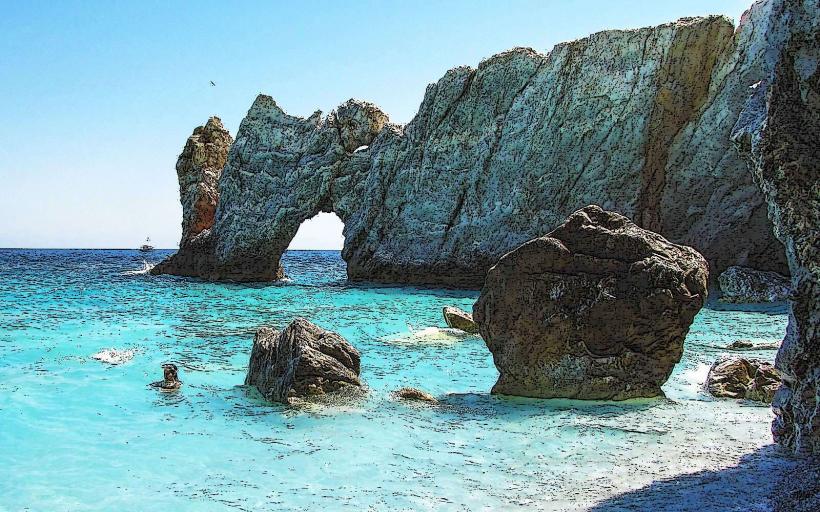
Lalaria Beach: 1.5km Southeast
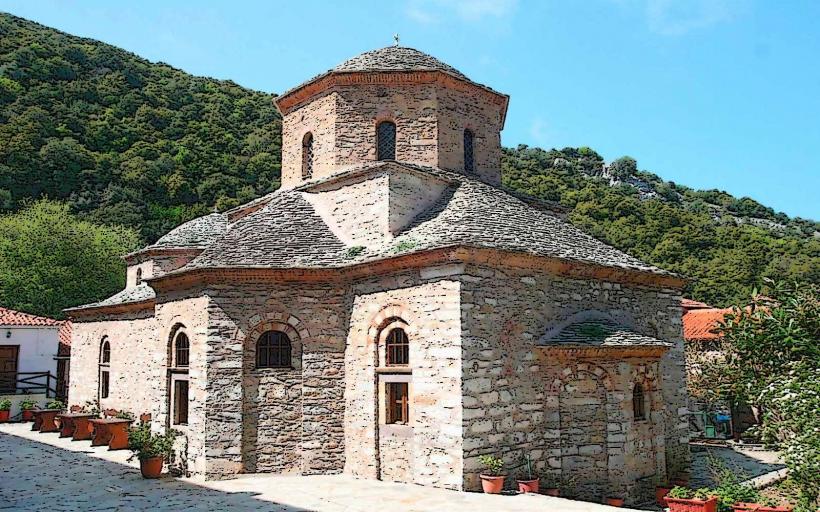
Evangelistria Monastery: 3.5km South
Panagia Kardasi Church: 1.1km Southwest
Kechria Beach: 4.5km Southwest