Information
Landmark: Kaya National Museum (Musée National de Kaya)City: Kaya
Country: Burkina Faso
Continent: Africa
Kaya National Museum (Musée National de Kaya), Kaya, Burkina Faso, Africa
The Kaya National Museum (Musée National de Kaya) is a central cultural landmark in Kaya, the capital of Sanmatenga Province in Burkina Faso. Unlike larger museums in Ouagadougou, it offers a personal and immersive glimpse into the local cultural and historical fabric, emphasizing both traditional life and regional heritage.
Location and Structure
The museum is located near the heart of Kaya, making it easily accessible for visitors exploring the city. The building itself is modest, often single-story, with open-air courtyards and simple gallery rooms. Its design allows natural light to illuminate exhibits, creating an intimate and inviting atmosphere. The space is arranged to encourage a step-by-step journey through local history and cultural practices, rather than a rapid walkthrough.
Collections and Exhibits
The museum’s holdings focus on the ethnography, history, and traditional art of the Sanmatenga region, particularly the Mossi people. Key categories include:
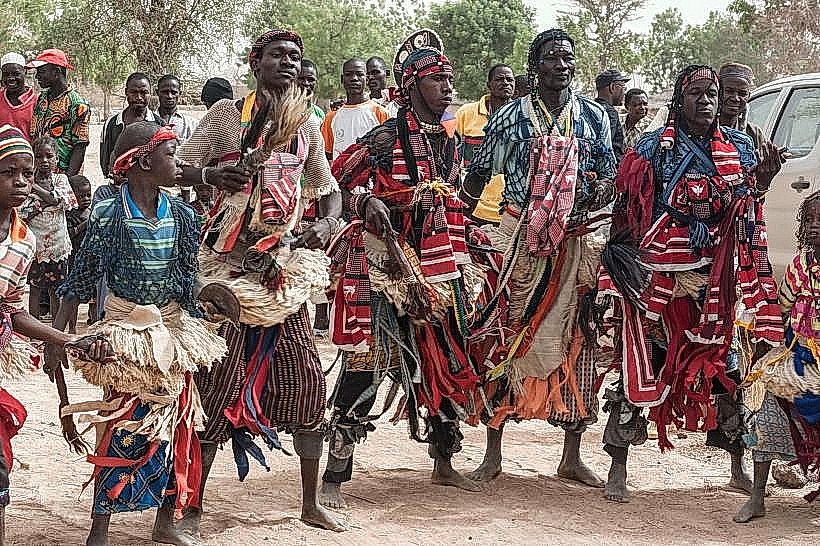
Traditional Masks and Costumes: The collection showcases ceremonial masks used in festivals, initiation rites, and ancestral worship. These masks are often carved from wood, painted with natural pigments, and sometimes adorned with fibers or cowrie shells. Visitors can see how mask designs vary depending on purpose and the ethnic group they represent.
Textiles and Clothing: Local weaving and embroidery are highlighted, with garments that demonstrate traditional dyeing techniques, patterns, and social symbolism. Some pieces are ceremonial robes used in weddings, funerals, or community events.
Musical Instruments: Drums, xylophones, and other traditional instruments illustrate the central role of music in ritual, storytelling, and communal gatherings. Many instruments are displayed alongside explanations of their cultural significance and use.
Pottery and Daily Life Artifacts: Objects such as clay pots, cooking utensils, and agricultural tools provide insight into historical daily life in the region, showing the ingenuity and craftsmanship of local communities.
Ritual and Religious Artifacts: Some exhibits feature items associated with sacred practices, including divination tools, charms, and ceremonial objects connected to local spiritual beliefs.
Visitor Experience
Visitors often appreciate the quiet, reflective environment, which contrasts with the bustling city markets nearby. The museum encourages a hands-on appreciation of artifacts, with some exhibits allowing for closer inspection than larger national institutions. Labels and information are typically bilingual in French and local languages, helping both international and local visitors connect with the exhibits.
The museum occasionally hosts temporary exhibitions or cultural events, sometimes featuring local artisans demonstrating traditional crafts. Guided tours are informal but informative, often led by staff who can share anecdotes about community practices and the significance of specific artifacts.
Surrounding Context
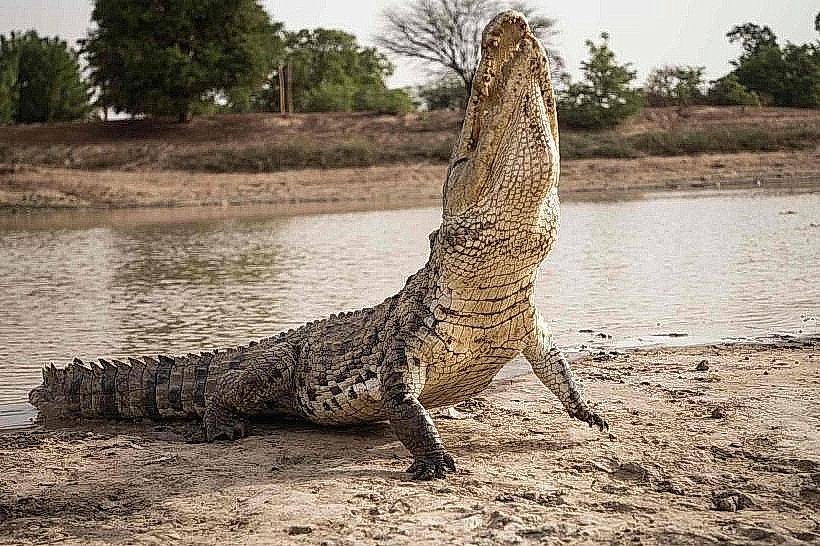
The museum is ideally visited alongside nearby cultural sites in Kaya. The Sacred Crocodile Ponds, local markets, and traditional ceremonial spaces enrich the understanding of the region’s living heritage. Walking from the museum, visitors can sense how traditional and contemporary life blend in the town’s streets and marketplaces.
In summary, the Kaya National Museum offers a concise yet immersive journey into central Burkina Faso’s cultural identity, providing a meaningful experience for travelers, students, and researchers interested in ethnography, art, and history. Its intimate scale and focus on local traditions make it a unique and memorable stop in Kaya.