Information
Landmark: Traditional Mossi ChiefdomsCity: Kaya
Country: Burkina Faso
Continent: Africa
Traditional Mossi Chiefdoms, Kaya, Burkina Faso, Africa
The Traditional Mossi Chiefdoms of Burkina Faso represent one of the most enduring and historically significant political and social systems in West Africa. Centered mainly in the central plateau region, including cities like Ouagadougou, Kaya, and Ziniaré, these chiefdoms date back to the 11th century and continue to play an influential role in cultural identity, social organization, and local governance.
Origins and Historical Context
The Mossi people are believed to have migrated from the north of present-day Ghana and northern Côte d’Ivoire, eventually settling in the central plateau. They established a series of kingdoms led by powerful chiefs, known as “Naabas”, who ruled over towns, villages, and surrounding territories. The most prominent Mossi kingdoms included Ouagadougou, Tenkodogo, Yatenga, and Kaya, each with its own hereditary leadership and political hierarchy.
The chiefdoms were historically militarily organized, with armies defending against neighboring states and controlling trade routes. They maintained strong centralized authority, where the Naaba held both political and spiritual power, often believed to be intermediaries between the ancestors and the people.
Political Structure
A Mossi chiefdom is structured hierarchically:
Naaba (King or Paramount Chief): The highest authority in the chiefdom, responsible for governance, justice, ritual ceremonies, and conflict resolution. The Naaba’s position is hereditary, usually passed along male lineage, though succession rules can be complex, often involving consultation with council elders.
Village Chiefs: Local leaders who administer individual villages, oversee land allocation, and coordinate community rituals.
Council of Elders (Tengs): Advisors to the Naaba and village chiefs, often involved in decision-making, dispute resolution, and maintaining cultural traditions.
Spiritual Leaders and Priests: Figures who conduct ceremonies, maintain sacred sites, and interpret divination practices for the community.
Cultural and Social Roles
The chiefdoms serve as more than political units; they are central to Mossi social identity:
Rituals and Ceremonies: Chiefs preside over annual festivals, initiation rites, harvest celebrations, and funerals. Sacred symbols, drums, and masks often feature in these events, reflecting centuries-old traditions.
Land and Resource Management: Chiefs historically allocated farmland, controlled access to water, and managed communal resources. These roles persist in varying forms today, giving traditional leaders influence alongside modern state authorities.
Justice and Conflict Resolution: Mossi chiefs adjudicate disputes over land, family issues, and local conflicts, blending customary law with moral and spiritual considerations.
Modern Relevance
Although Burkina Faso is a republic with elected officials, Mossi chiefdoms continue to exert cultural and social authority. Naabas and village chiefs are respected figures, often involved in local ceremonies, mediating disputes, and preserving traditions. Some chiefdoms also participate in tourism and heritage programs, showcasing palaces, sacred sites, and traditional crafts to visitors.
Visitor Experience
Travelers exploring Mossi chiefdoms often encounter:
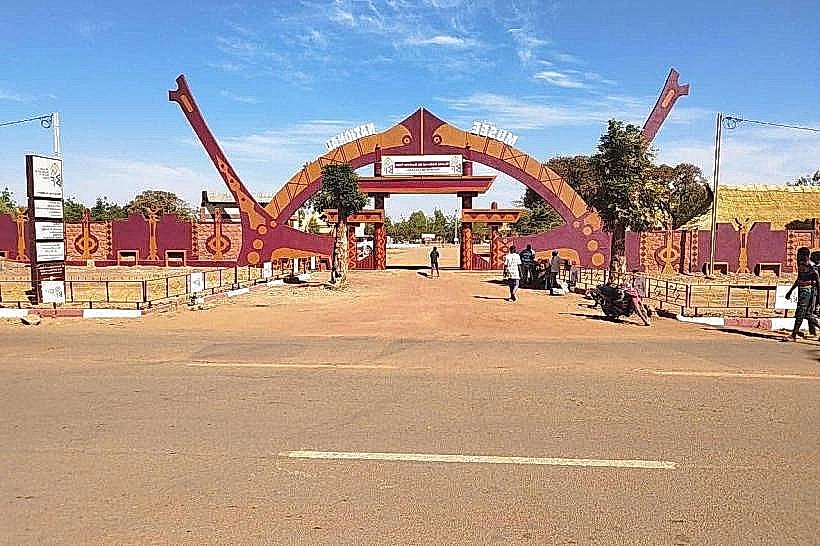
Palaces and Royal Compounds: Architecturally simple but symbolically rich, featuring courtyards, sacred shrines, and decorated gates.
Ceremonial Festivals: Vibrant events with drumming, dancing, and elaborate costumes, especially during harvest or ancestor commemorations.
Local Crafts and Art: Masks, textiles, and pottery created for ritual and daily life, often sold by local artisans linked to the chiefdoms.
In essence, the Mossi chiefdoms represent a living link to Burkina Faso’s history, blending governance, spirituality, and culture. Their endurance over centuries demonstrates the deep-rooted significance of traditional authority in shaping community life and cultural continuity.