Information
Landmark: Kemeralti BazaarCity: Izmir
Country: Turkey
Continent: Asia
Kemeralti Bazaar, Izmir, Turkey, Asia
Overview
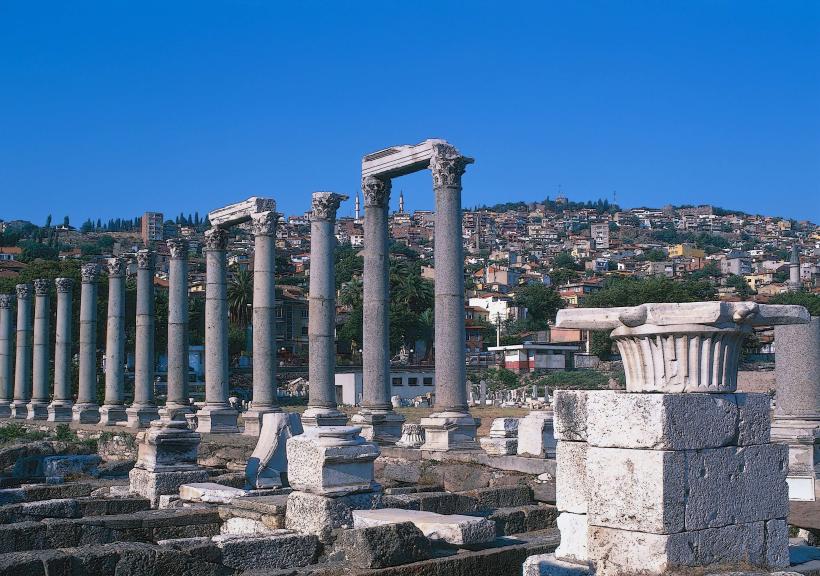
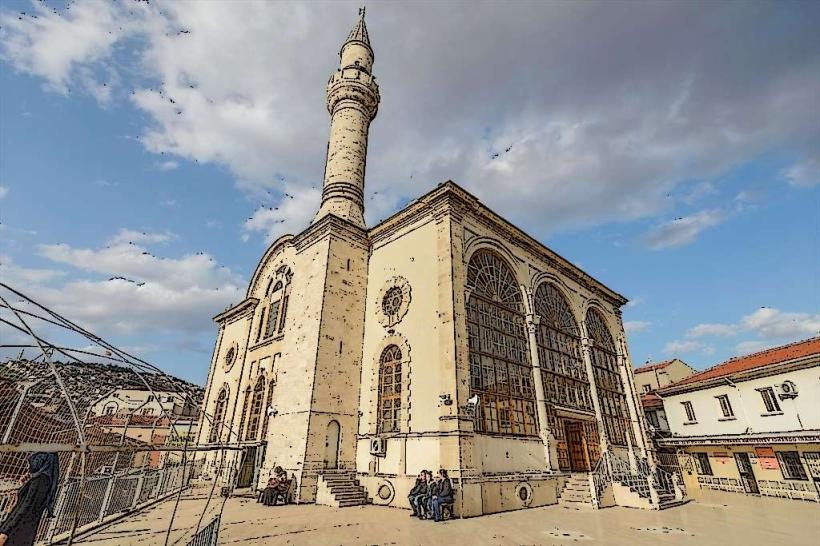
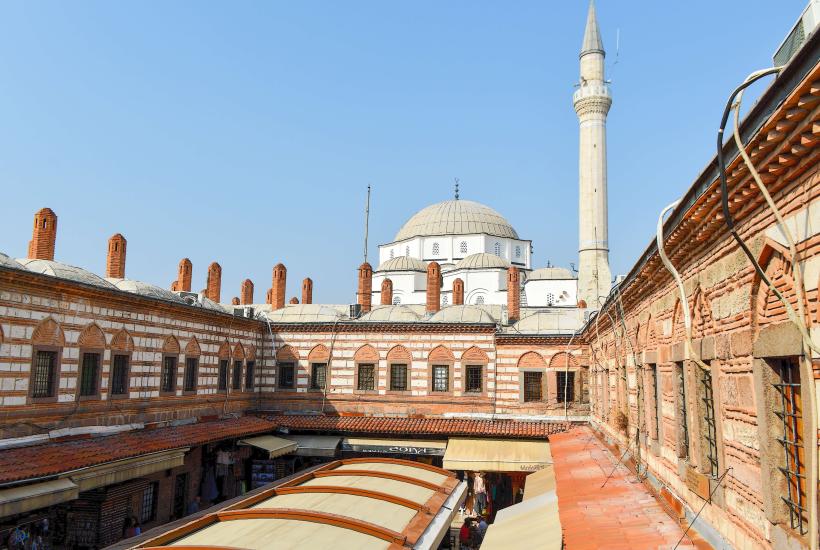
Kemeraltı Bazaar (Turkish: Kemeraltı Çarşısı) sits in İzmir’s Konak district and ranks among Turkey’s largest and oldest markets, alive with the scent of fresh spices and the noise of bargaining voices, after that it’s more than a market-it’s a heartbeat of the city, echoing through centuries and still buzzing with the smell of fresh bread and the chatter of busy stalls, fairly Just so you know, Here’s a closer inspect at its history, layout, atmosphere, and cultural weight: Kemeraltı’s roots reach back to the 17th century, yet long before that, the bustle of traders filled the streets of ancient Smyrna, where the agora and port linked routes crisscrossing the Aegean, to boot during the Ottoman era, the bazaar swelled with novel stalls and voices, as İzmir grew into a bustling international port that drew merchants from Europe, the Middle East, and the spice-scented markets of North Africa, to some extent The name “Kemeraltı” translates to “under the arch,” a nod to the classical stone arcades that once stretched over the narrow streets, after that the stone vaults, or kemer, shaped the market’s character, giving the older sections their distinct peek and the cool echo of footsteps under arched ceilings.Kemeraltı stretches across several city blocks, a dense maze of narrow lanes, shaded arcades, sunlit stalls, and courtyards echoing with footsteps, as well as the key parts are simple to spot-for example, number one stands out right at the top of the list.Historical hans and bedestens once buzzed with life, where weary merchants stopped to rest, share news, and haggle over silk in the lamplight, and for example, Kızlarağası Hanı-built in 1744-stands as the bazaar’s most famous inn, its courtyard lined with tea shops, craftsmen at work, and tables crowded with vintage brass lamps.Beyler Hanı and Abacıoğlu Hanı were historic inns where merchants traded goods and neighbors gathered over steaming cups of tea, simultaneously number two, maybe Woven among the bustle of the bazaar are minute, elegant Ottoman-era mosques, like the Hisar Mosque from 1592-the largest and one of İzmir’s oldest, its walls still glowing with intricate patterns and the murmur of daily prayers, on top of that başdurak Mosque, Şadırvan Mosque, and a handful of others, their domes catching the late afternoon light.In nearby Havra Sokağı-known as Synagogue Street-several synagogues stand, their worn stone walls quietly reflecting İzmir’s Jewish heritage, what’s more three.Historical fountains and tombs-Ottoman sebils offering cool drinking water and türbes honoring revered figures-blend seamlessly into the city’s streets, on top of that number four.In Kemeraltı, shops cluster by trade-glittering gold and silver, the rich scent of leather, spices and herbs piled high beside trays of Turkish delight, bolts of luminous fabric, shoemakers tapping at soles, tailors at their benches, and tucked-away antique stores and bookshops-all mixing classical crafts like copperware and calligraphy with sleek modern retailers, as well as the first role focuses on culture and society, like the way a shared meal can bring people together.Unlike the museum-like bazaars, Kemeraltı buzzes with life-a living, breathing marketplace where the smell of fresh spices drifts through the air, simultaneously many artisans still run shops their grandparents once opened, places where the worn wooden counters tell their own quiet stories.You can still spot craftsmen pounding copper until it rings, tailors stitching by hand, and spice merchants mixing fragrant remedies from worn wooden bowls, simultaneously step two.The bazaar bustles with the scent of grilled fish, sizzling kebabs, and trays of flaky baklava, offering everything from traditional Aegean fare to hearty Ottoman dishes and quick street bites, while you’ll find plenty to savor here: flaky boyoz, a Sephardic pastry you won’t view outside İzmir; sizzling kokoreç; midye dolma; tender tandır kebab; and strong Turkish coffee or steaming çay poured in the quiet courtyards of historic hans, alongside İzmir tulum cheese, briny olives, dried herbs, and jars of homemade jam.Interestingly, Havra Sokağı, or Synagogue Street, still echoes İzmir’s multicultural past, when the air carried the scent of fresh bread from the shops of its bustling Sephardic Jewish community, not only that this area is home to several historic synagogues, including Beit Hillel and the Hevra, where sunlight spills through tall arched windows.Many have shut their doors or turned into spaces for art and music, yet their stone arches and tall windows still stand as a vital part of our heritage, at the same time number four comes next, marked plainly with a miniature, murky smudge of ink.In Kemeraltı, you might stumble across a lively folk dance, an art exhibit, or a colorful festival, each one celebrating İzmir’s rich mix of traditions, alternatively in recent years, the TARKEM (Tarihi Kemeraltı İnşaat Yatırım Ticaret A.Ş.) project, along with other public–private partnerships, has worked to breathe contemporary life into the historic bazaar while protecting its centuries-ancient stone arches.They’ve been restoring vintage hans, quiet synagogues, and narrow cobblestone streets for some time now, while in 2020, UNESCO placed İzmir’s historic heart-Kemeraltı’s bustling lanes and timeworn stone arches-on its World Heritage Tentative List, honoring its significance to cultures worldwide, fairly Visiting Kemeraltı sweeps you into a swirl of life-the quick calls of merchants bargaining, the warm scent of roasted chestnuts mingling with sharp spice, footsteps tapping against worn stone, and voices weaving together in a patchwork of languages and accents, meanwhile it’s both restless and calm, like a street where the smell of fresh bread drifts past centuries-timeworn stone walls.Whether you’re browsing market stalls, wandering down centuries-classical alleys, or sipping jasmine tea in a quiet han courtyard, the location pulls you in completely, moreover in the end, Kemeraltı Bazaar is more than just a venue to shop-it’s a living time capsule, where the scent of fresh spices drifts through narrow lanes, echoing İzmir’s Ottoman roots, its multicultural spirit, and the vibrant traditions that still thrive today.From its crowded alleyways and centuries-antique hans to the warm scent of cumin and the rhythmic tap of a craftsman’s hammer, Kemeraltı draws you in-not just to buy, but to trek straight into the heart of its history, trade, and everyday life.
Author: Tourist Landmarks
Date: 2025-09-22