Information
Landmark: Khortytsia IslandCity: Zaporizhzhia
Country: Ukraine
Continent: Europe
Khortytsia Island, Zaporizhzhia, Ukraine, Europe
Overview
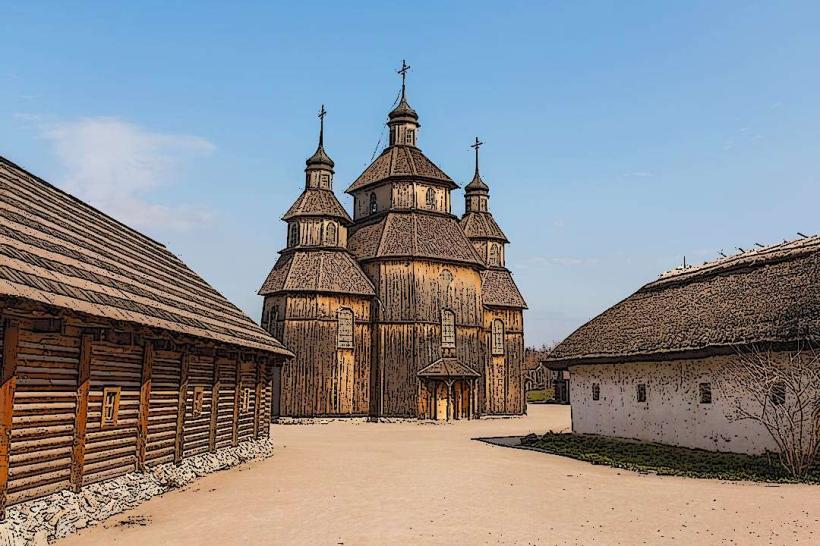
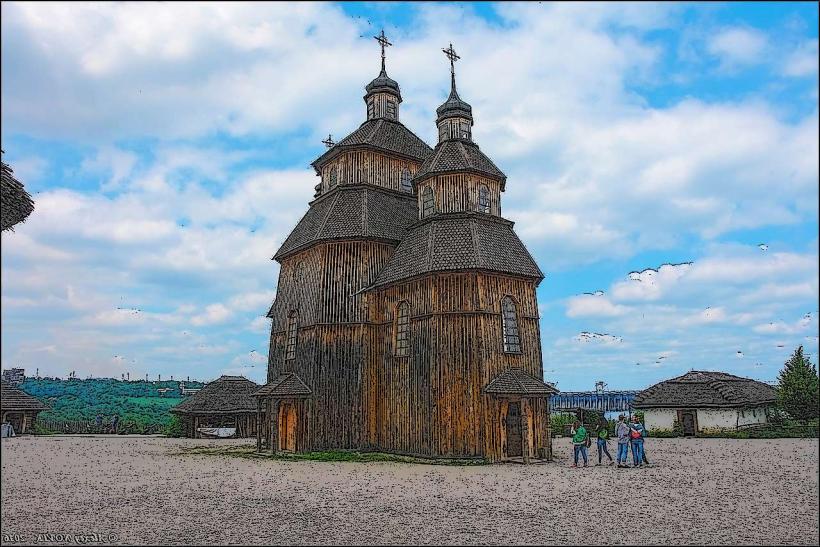
Frankly, Khortytsia Island, the largest stretch of land in the Dnieper River, sits within Zaporizhzhia’s city limits in Ukraine, where its rocky shores meet deliberate, green water, in turn it’s about 12.5 kilometers long and 2.5 kilometers wide, spanning roughly 23.6 square kilometers-imagine walking its length under a pale morning sky, perhaps The island’s terrain shifts from jagged cliffs to quiet oak and spruce woods, then opens into wind-swept steppe meadows and glistening wetlands, likewise the diverse landscape is home to more than a thousand plant species and countless birds and animals, some rare or endangered, like the dazzling blue kingfisher, all safeguarded by Ukrainian conservation laws, more or less Up north, the island’s jagged cliffs rise sharply above the river, their murky stone slick after rain, while down south, the land levels out into flat fields that often flood when the water runs high, as well as this natural range shapes Khortytsia’s distinctive ecology, giving it the weight of both a vital wildlife refuge and a venue steeped in history, where oak leaves rustle beside ancient stones, not entirely Khortytsia Island sits at the heart of Ukraine’s history and identity, first appearing in records from the mid‑10th century, when Byzantine Emperor Constantine VII described it in *De Administrando Imperio* as St. George’s Island, at the same time early Kyivan Rus’ princes prized the spot for its strategic value, gathering there to plot campaigns in 1103 and again in 1224, the chill wind carrying their voices across the riverbank.From the 16th to 18th centuries, Khortytsia housed the Zaporizhian Sich-a fortified stronghold and bustling military base where Zaporozhian Cossacks kept watch over the wide, windswept Dnipro River, on top of that the Cossacks earned a reputation for fierce independence, sharp military skill, and a hand in shaping Ukraine’s culture and politics, riding hard across the steppe with banners snapping in the wind.The island served as a fortified bastion and the political heart of the Cossack Host, standing firm against invading forces and guarding their independence through years of unrest, on top of that today, on the island, the rebuilt Zaporizhian Sich invites visitors to step into Cossack life, with rough-hewn wooden walls, compact churches, sturdy homes, and busy workshops.Wandering through this open-air museum, you’ll glimpse the Cossacks’ world-how they fought, prayed, and gathered-turning history into something you can almost hear in the creak of wooden gates, likewise on Khortytsia Island, you’ll find a mix of history, culture, and stunning scenery, from the Zaporizhian Sich Historical-Cultural Complex with its rebuilt Cossack fort walls to weathered wooden houses and quiet, candle-lit chapels.The complex comes alive with reenactments, lively cultural festivals, and hands-on displays of traditional crafts and gleaming aged weaponry, in conjunction with the Zaporizhzhia Cossacks History Museum sits near the island’s northern tip, holding more than 32,000 treasures from the Cossack era-from muskets and embroidered tunics to weathered maps and cooking pots-and its vivid dioramas bring key moments of that history to life.Equestrian Theater “Zaporizhzhya Cossacks” is an open-air stage where riders thunder past on powerful horses, demonstrating Cossack horsemanship, age-classical combat moves, and lively folk tunes, pulling visitors straight into the heart of the culture, as a result just outside the museum, you’ll spot a grassy mound-the weathered burial site of the Scythians, a nomadic people from long ago.A few steps away stands a weathered stone pillar, marking the spot where Prince Sviatoslav of Kyiv is said to have fallen in battle, furthermore wander the island’s nature trails to reach quiet lookout points, where winding paths lead to sweeping views of the Dnieper River and the rolling green hills beyond.Khortytsia enjoys protection as a National Historical and Archaeological Reserve, its ancient stones standing quiet under the watch of the law, likewise this status protects the island’s ancient stone temples and its windswept cliffs, keeping both culture and nature intact.The reserve carefully balances tourism with conservation, making sure ancient stone walls stay untouched and the surrounding forests remain secure for wildlife, what’s more in recent years, the island has worked to improve accessibility, building ramps, paths, and other infrastructure so visitors with disabilities can fully enjoy its beaches, markets, and scenic views.Khortytsia Island sits inside Zaporizhzhia, easy to reach by crossing the Zaporizhzhia Arch Bridge, where steel beams frame the sky, or by several other transport links, therefore visiting Hours: You can explore the island and its main sights most of the year, though hours shift with the seasons or change from setting to spot-one pier, for instance, closes early when the winter winds pick up.Spring, summer, and the first weeks of autumn are the perfect times to go, when the air feels warm and the days stay vivid, as a result visitors can grab a coffee at the café, spread a blanket in the picnic area, rent a bike for a ride, use the restrooms, or join a guided tour.Visitors can count on lively educational programs and colorful cultural events popping up often, adding fresh energy and depth to their experience, what’s more khortytsia Island brings together wild landscapes, centuries of history, and vibrant traditions, all in one site where the river winds past ancient stones.It’s a proud emblem of Ukraine’s identity and resilience, drawing visitors into a vivid blend of ancient history, the storied legacy of the Zaporizhian Cossacks, and sweeping landscapes where tall grasses sway in the wind, at the same time if you’re drawn to Ukrainian culture or history-or just want a destination that’s rich in beauty and meaning-don’t miss Khortytsia Island, where the wind carries the scent of the Dnipro River.
Author: Tourist Landmarks
Date: 2025-10-02