Information
Landmark: Kilauea Point National Wildlife RefugeCity: Hilo
Country: USA Hawaii
Continent: North America
Kilauea Point National Wildlife Refuge, Hilo, USA Hawaii, North America
Kilauea Point National Wildlife Refuge is a protected area located on the northernmost point of Kaua'i Island, Hawaii, USA.
This refuge conserves coastal habitats and supports populations of native and endangered seabirds.
Visual Characteristics
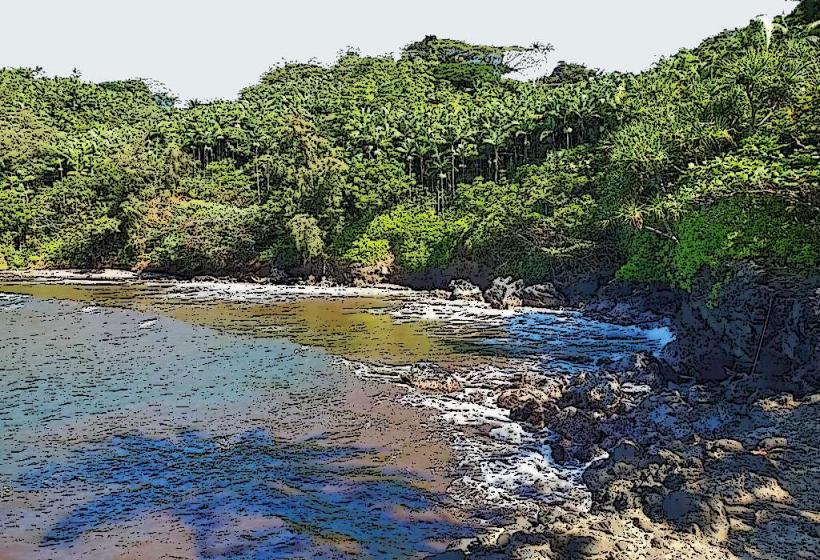
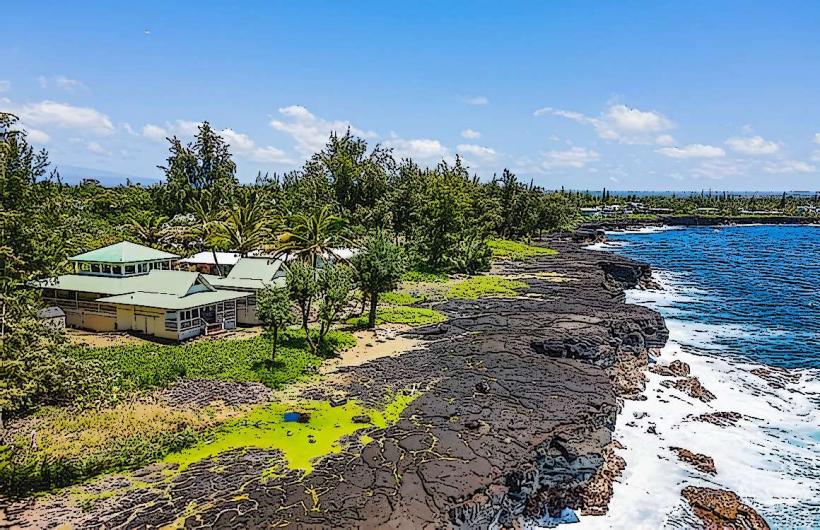
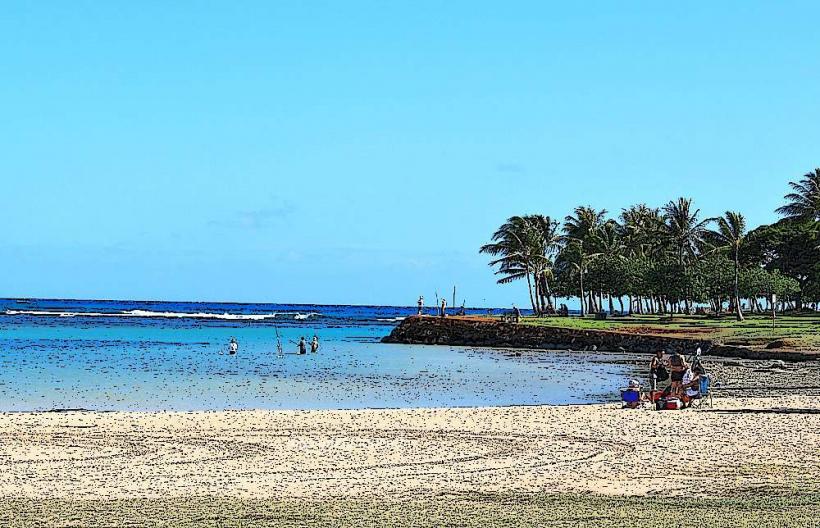
The refuge features dramatic volcanic cliffs dropping to the Pacific Ocean. The terrain consists of rugged, dark basalt rock formations interspersed with low-lying coastal vegetation, primarily grasses and hardy shrubs adapted to salt spray and wind. The ocean water color varies from deep blue to turquoise depending on depth and sunlight.
Location & Access Logistics
The refuge is situated at the end of Lighthouse Road, approximately 30 kilometers northwest of Lihue. Access is via Highway 56 North, turning onto Kuhio Highway, and then following signs for Kilauea Lighthouse. Parking is available at the visitor center lot. Public transportation options are limited; the nearest bus stop is several kilometers away, requiring a significant walk.
Historical & Ecological Origin
The Kilauea Point Lighthouse, a prominent structure within the refuge, was completed in 1913 and served as a navigational aid for ships. The refuge itself was established in 1979 to protect nesting seabirds, including the endangered Hawaiian monk seal and the Newell's shearwater. The land is composed of ancient volcanic lava flows.
Key Highlights & Activities
Observation of seabird colonies, including Laysan albatross, red-footed boobies, and brown noddies. Viewing of Hawaiian monk seals and green sea turtles resting on the shoreline. Photography of the Kilauea Lighthouse. Educational exhibits at the visitor center.
Infrastructure & Amenities
Restrooms are available at the visitor center. Limited shaded areas are present near the visitor center. Cell phone signal (4G/5G) is generally available. No food vendors are located within the refuge; visitors should bring their own provisions.
Best Time to Visit
For optimal seabird viewing, the months of March through September are recommended, coinciding with nesting and chick-rearing seasons. Early morning and late afternoon offer softer lighting for photography. High tide can bring seals closer to shore.
Facts & Legends
The Kilauea Point Lighthouse was automated in 1976 and decommissioned in 2018, but its iconic structure remains a focal point. A local legend speaks of the lighthouse keeper's ghost, said to still watch over the waters.
Nearby Landmarks
- Kilauea Lighthouse (0km North)
- Anini Beach Park (2.5km Southwest)
- Princeville Botanical Gardens (4km South)
- Hanalei Bay (6km West)