Information
Landmark: Kobe Maritime MuseumCity: Kobe
Country: Japan
Continent: Asia
Kobe Maritime Museum, Kobe, Japan, Asia
Overview
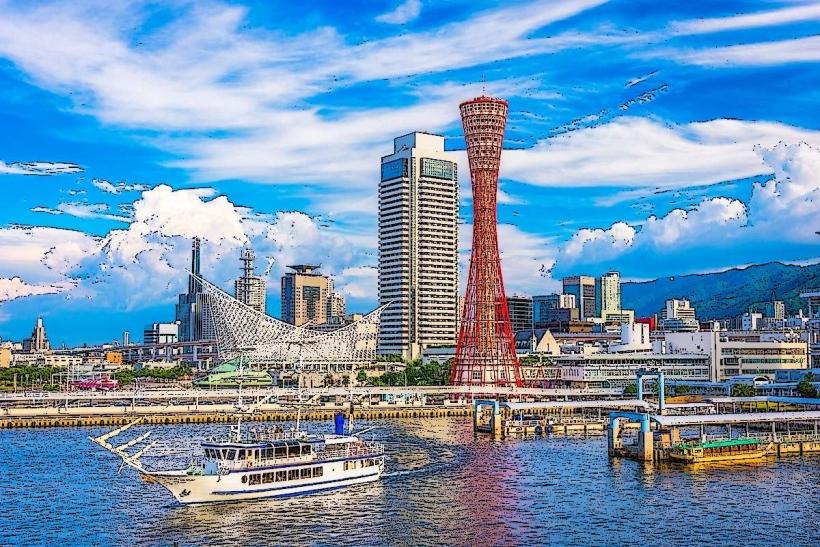
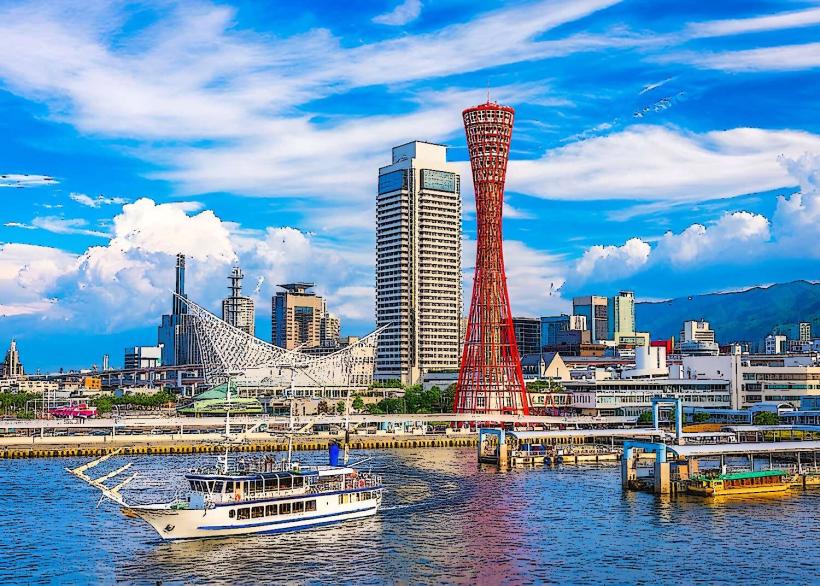
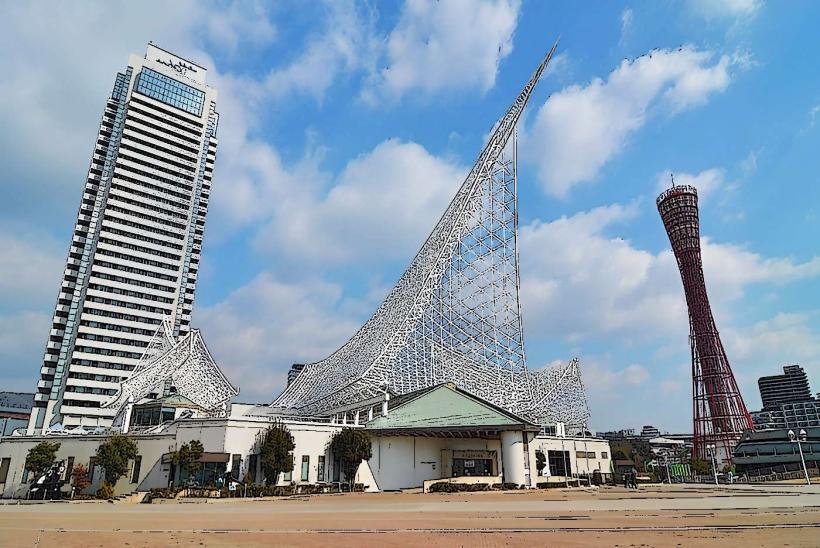
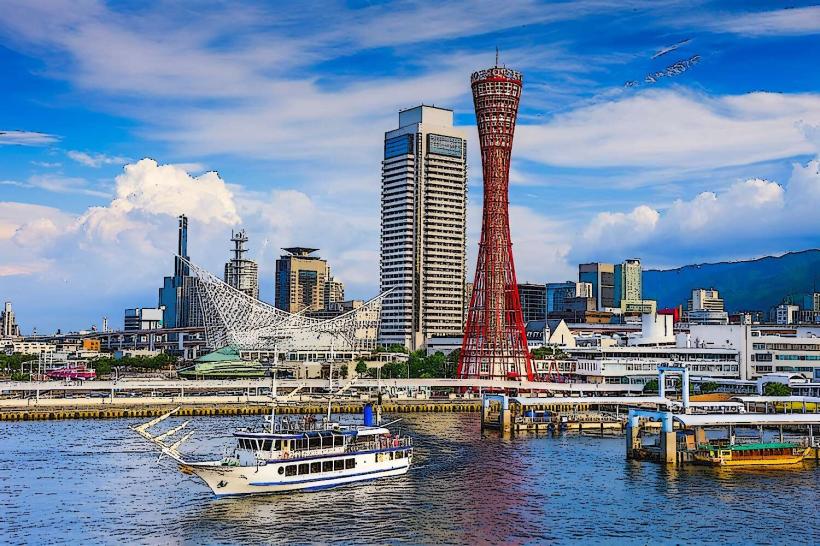
Tucked inside Meriken Park in Kobe, Japan, the Kobe Maritime Museum (神戸海洋博物館) bursts with ship models and the scent of aged timber, alternatively it takes you deep into Kobe’s maritime past, from the bustling port’s role in global trade to the steady transformation of Japan’s shipping industry.The museum’s displays bring Kobe’s role as a bustling port to life, showing its deep, centuries-vintage ties to the world’s maritime traditions-like maps faded by salt air and time, after that one.Here’s where you’ll find it: 2-2 Hatoba-cho, Chūō-ku, Kobe, Hyogo Prefecture, Japan, and access: You’ll find the museum in Meriken Park, a breezy waterfront spot in Kobe where gulls wheel over the harbor.In a way, You can reach it easily from Kobe Station or Sannomiya Station, then it’s just a quick stroll past the café or a short bus ride to the park, as a result you can saunter to nearby spots like the luminous red Kobe Port Tower and the lively Kobe Harborland.Number two, in turn the Kobe Maritime Museum, which opened its doors in 2002, was created to mark 150 years since Kobe Port first welcomed foreign ships in 1859.When the port opened, it marked a turning point in Japan’s history, ending centuries of Edo-era isolation and pulling the nation into the bustle of global trade, where foreign ships crowded the harbor for the first time in generations, alternatively the museum opened to honor this historic milestone and to highlight how vital maritime trade has been to Kobe and all of Japan, from bustling harbor docks to ships heavy with cargo.For generations, Kobe has stood as one of Japan’s key maritime gateways, and inside the museum you’ll behold how the city’s ships and bustling port have carried Japan’s connections across the globe, as a result three.At the Kobe Maritime Museum, you’ll find everything from weathered ship models and navigation charts to displays tracing the history of Kobe Port, shipbuilding, and Japan’s rich maritime culture, likewise let me show you one of the museum’s key areas-A, where the polished floor catches the light.The museum traces Kobe Port’s story from its 19th-century beginnings, when wooden ships lined the docks, all the way to its bustling present, furthermore the exhibits trace how the port’s 1859 opening to foreign trade sparked Japan’s push toward modernization in the Meiji era, from clattering steam engines to the first telegraph lines, more or less The museum also showcases Kobe’s role as a key international shipping hub, tracing its links to bustling trade routes that stretch across the Pacific and deep into Asia, in turn bThe museum displays an array of ship models, from sleek wooden Japanese fishing boats to gleaming modern vessels.Visitors can explore how ship design and navigation have evolved, and get a close glance at the technology driving Japan’s formidable merchant and naval fleets-right down to the gleam of polished brass instruments, therefore some models feature ships that left their mark on Japan’s maritime history-sturdy cargo carriers, sleek naval vessels, and gleaming luxury liners that once cut through Tokyo Bay at dawn.C, then the museum features several hands-on exhibits where visitors can haul a rope, test a ship’s wheel, and dive into the history of maritime culture and technology, loosely The exhibits feature simulators that let visitors feel the deck sway beneath their feet as they steer a ship and try to guide it into port, therefore visitors can tap and swipe through interactive screens to explore Japan’s ports and the global shipping network, turning learning into a hands-on experience for all ages.Oddly enough, D, written in bold black ink, marked the edge of the page, in turn maritime Technology and Innovation This section showcases the groundbreaking tech that's transformed shipping-from sleek, efficient shipbuilding methods to smarter navigation tools and greener, more sustainable practices at sea.Curiously, At the museum, you can behold how modern ships take shape, learn the inner workings of massive vessels, and discover why Japan still stands at the helm of shipbuilding technology, therefore the letter E sat alone on the page, sharp and dim like fresh ink.Kobe’s Maritime Culture comes alive in the museum, which explores how ships, sailors, and distant ports shaped the city’s rich exchange of ideas and traditions, consequently visitors can explore how foreign influences-especially from the West and China-shaped Kobe’s growth and the bustle of life around its busy, salt-scented port.It also looks at the daily lives of the workers who kept the port running-men hauling crates, voices echoing off the docks-and traces how Kobe’s harbor expanded over the years, shaping a lively, international atmosphere, moreover number four, not entirely At the Kobe Maritime Museum, one standout is the Fuji-a full-size replica of a historic ship, its wooden deck gleaming under the lights, at the same time the Fuji stands just outside the museum doors, drawing you in with a vivid, wraparound display that pulls you straight into the scene.It’s a great chance for visitors to step aboard, feel the creak of the deck underfoot, and dive into the city’s maritime past-discovering how ships like this once carried goods, charted unknown waters, and served in battle, what’s more number five.The museum’s design mixes sleek modern lines with a hint of the sea-white panels that catch the light like sun on water, furthermore the main building curves like a massive ship’s hull, with a glass enclosure that lets you observe the harbor glittering and the city spread out beyond.Set in Meriken Park beside the shimmering waterfront, the museum draws you deeper into the feeling of life at sea, consequently the museum’s exterior carries a sailing boat motif, its sweeping lines and curved edges shaped to resemble a ship, a nod to Kobe’s deep roots in maritime history.Number six, while the Kobe Maritime Museum sits in scenic Meriken Park, a breezy waterfront space where you can also spot the luminous red Kobe Port Tower, a city landmark with sweeping views of the harbor and skyline.Kobe Harborland sits by the waterfront, a lively spot filled with shops, restaurants, and shining lights that spill onto the promenade, likewise nakamura Park offers a quiet escape, where you can watch sunlight sparkle across the calm waterfront.The Kobe Earthquake Memorial Museum shares the story of the 1995 Great Hanshin Earthquake, showing how the disaster shook the city to its core and changed it forever, and seven, occasionally As it happens, The museum’s open all year, but each season changes the experience-spring brings sparkling blooms, while winter feels calm and hushed, subsequently spring and autumn are the best times to visit, when the air stays mild and a soft breeze drifts through the streets.Summer can get sweltering, but you can still kick back on the museum’s outdoor deck, soaking in the harbor view, or wander through Meriken Park with the scent of the sea in the air, to boot winter’s a great choice, especially when the streets glow with holiday lights and the air smells faintly of roasted chestnuts.The number eight, likewise tickets cost ¥500 for adults, ¥200 for children, and ¥300 for seniors aged 65 and over, not entirely The venue usually opens at 10:00 AM and closes at 6:00 PM, with the last visitor allowed in at 5:30, and it’s closed on Mondays-or on Tuesday if Monday’s a public holiday-so it’s worth checking the official website for the latest hours or special events.It’s just the number 9, bold and simple, like a black mark on a white page, alternatively in short, the Kobe Maritime Museum gives visitors of any age a lively, hands-on inspect at the city’s seafaring past, from salt-crusted ship models to stories of Kobe’s pivotal role in building Japan’s trade network.The museum brings maritime history to life with hands-on exhibits, intricate ship models, and the storied Fuji ship, offering a vivid glimpse into the innovations that have steered the shipping industry forward, while whether you’re curious about Japan’s role in global trade, fascinated by its shipbuilding innovations, or just love diving into history, the Kobe Maritime Museum has something to spark your imagination.
Author: Tourist Landmarks
Date: 2025-09-17