Information
Landmark: Labuan War CemeteryCity: Labuan
Country: Malaysia
Continent: Asia
Labuan War Cemetery, Labuan, Malaysia, Asia
The Labuan War Cemetery is a significant historical site located on Labuan Island, Malaysia, and is dedicated to the soldiers who lost their lives during World War II. The cemetery serves as a poignant reminder of the sacrifices made by the Allied forces, particularly those from Australia, Britain, and other Commonwealth countries.
Key Features and Significance of Labuan War Cemetery
Historical Context:
- The Labuan War Cemetery commemorates the fallen soldiers who died in the Pacific War, particularly during the Japanese occupation of Borneo. During World War II, Labuan Island became a key military location due to its strategic position in the South China Sea.
- The cemetery is the final resting place for many soldiers who died in the Borneo Campaign and in the Liberation of Labuan in 1945. It honors the Australian, British, and Indian soldiers, as well as some from other nations, who gave their lives in the fight against the Japanese occupation.
- The cemetery is maintained by the Commonwealth War Graves Commission (CWGC), which ensures that the graves and memorials are preserved in respect and remembrance.
Location:
- The cemetery is located in Victoria, the main town of Labuan Island, near Layang-Layang Road, making it easily accessible for visitors.
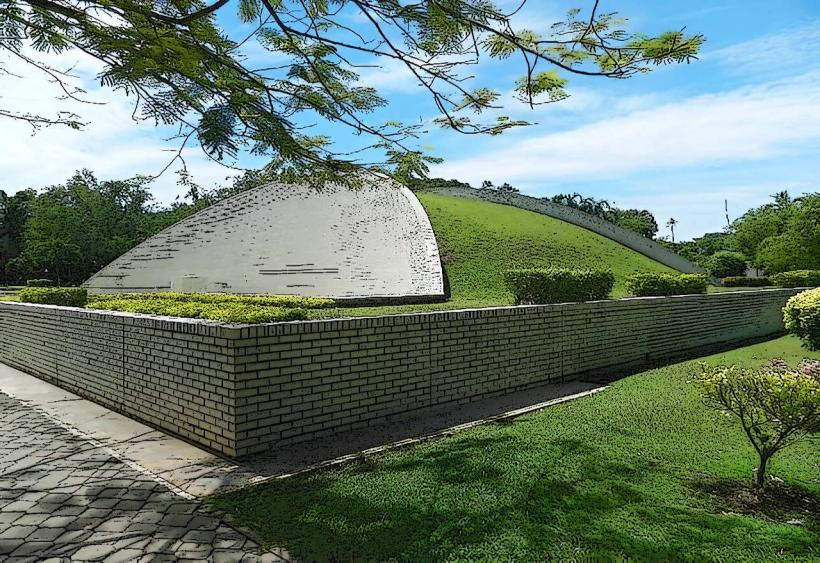
- It is situated in a peaceful and well-maintained setting, surrounded by lush greenery and gardens, offering a serene environment for reflection.
Memorials and Graves:
- The cemetery contains the graves of 3,908 Commonwealth soldiers who died during the Borneo Campaign and other related operations. Among them, the majority are Australian soldiers, but the cemetery also holds the graves of British, Indian, Canadian, and New Zealand personnel.
- The gravestones are made of white marble, each inscribed with the soldier’s name, rank, regiment, and date of death. For those whose graves are unknown, there are memorials that commemorate the fallen without specific burial sites.
- The cemetery also houses the Labuan Memorial, which is dedicated to the missing soldiers whose bodies were never recovered. This memorial is a prominent feature of the cemetery and stands as a tribute to those who sacrificed their lives but remain unidentified or lost in action.
Design and Layout:
- The Labuan War Cemetery is carefully designed with a layout that reflects the solemnity and reverence for the fallen soldiers. The central pathway runs through the cemetery, flanked by rows of neatly aligned gravestones and memorials.
- The Labuan Memorial is an imposing structure at the end of the cemetery, with engraved plaques listing the names of soldiers whose graves were never found. The entire cemetery is surrounded by hedges and floral displays, contributing to the tranquil and respectful atmosphere.
- The cemetery also features a stone wall on which are inscribed the names of the soldiers who died in the campaign but whose remains were never recovered.
Commemorative Services and Visits:
- ANZAC Day (April 25) and Remembrance Day (November 11) are key occasions when special memorial services are held at the Labuan War Cemetery. These services honor the sacrifices made by the fallen soldiers and are attended by local dignitaries, veterans, and the public.
- Visitors to the cemetery can pay their respects and reflect on the historical significance of the site. The cemetery is open to the public year-round, and it is a popular site for heritage tourism and for those interested in military history.
- Many visitors come to the cemetery to trace the history of their own ancestors or family members who fought in the Pacific War, as the cemetery is also a personal heritage site for many.
Importance to Labuan’s History:
- The Labuan War Cemetery is not only an important historical site but also a symbol of the island’s role in the Pacific War. The cemetery is a reminder of the island's liberation from Japanese occupation and the heavy toll it took on the soldiers who fought to free it.
- It is also a reminder of the multinational efforts involved in the war and how countries from different parts of the world contributed to the war effort, resulting in the shared sacrifices of nations such as Australia, Britain, and India.
Visiting the Cemetery:
- The Labuan War Cemetery is a well-preserved and carefully maintained site, with visitors able to explore its grounds while learning about its history. The Commonwealth War Graves Commission provides informative signage, and the cemetery is often visited by students, history enthusiasts, and tourists with an interest in World War II history.
- There is also a visitor center that provides additional information about the cemetery and the historical context of the Borneo Campaign.
Conclusion
The Labuan War Cemetery is a deeply moving and historically significant site that honors the lives of soldiers who fought and died during World War II in the Borneo Campaign. With its well-maintained graves, memorials, and historical significance, it stands as a lasting tribute to the courage and sacrifice of the Commonwealth forces. The cemetery is a place of reflection, respect, and remembrance for all who visit and a key historical landmark on Labuan Island.